Unknown's avatar

About Stephan Droege

With a specific focus on characterful and overachieving wine in the $15 to $18 price-point range, DéClassé aims to expand the readers' taste and curiosity about a diversity of wine styles--while exploring the winemakers in a cultural and historical context. Thank you for visiting the site!

Pecorino Alert

Native to the Abruzzo and Marche regions that are framed between the sandy
Adriatic coastline, Sibylline Massif and the inland Apennine Mountains of central
Italy – Pecorino is known for creating exceptionally flavourful wines. This variety
that’s associated with the cheese of the same name (and translating roughly as
“grape of the sheeps” – who apparently also liked it), has concentrated aromas,
good alcohol content and a lively, bright acidity. While popular, it was primarily
used as a blending component to improve the quality of other regional white
wines. Then, in part due to naturally low yields of fruit, Pecorino cultivation all but
disappeared, having given way to arguably less-remarkable grape varieties such
as Trebbiano and Passerina, both of which offer much higher productivity. Now,
largely due to visionary vintners in this region, it thankfully is again resurgent and
in spite of the vine stock being young, is producing aromatic and flavourful wine.

Here, nearby to the village of Loreto Aprutino, the Talamonti winery with its 32
hectares of vineyard in the unspoiled Tevo Valley, benefits from soil that’s infused
with wind-blown volcanic ash, as well as, mineral deposits left behind by Europe’s
southern-most glacier: the Ghiacciaio del Calderone. This historically rich region
has wine-making traditions dating to at least the age of the Etruscans early in
the 6th century BC. Somewhat later it developed its agricultural diversity adding
bay leaf trees, olive groves and surprisingly, highly prized potatoes!

If you need an additional nudge to help move you slightly out of your white wine predisposition(s), then also know that this varietal bottling was a Gold Medal
winner at the 2013 International Wine Challenge.
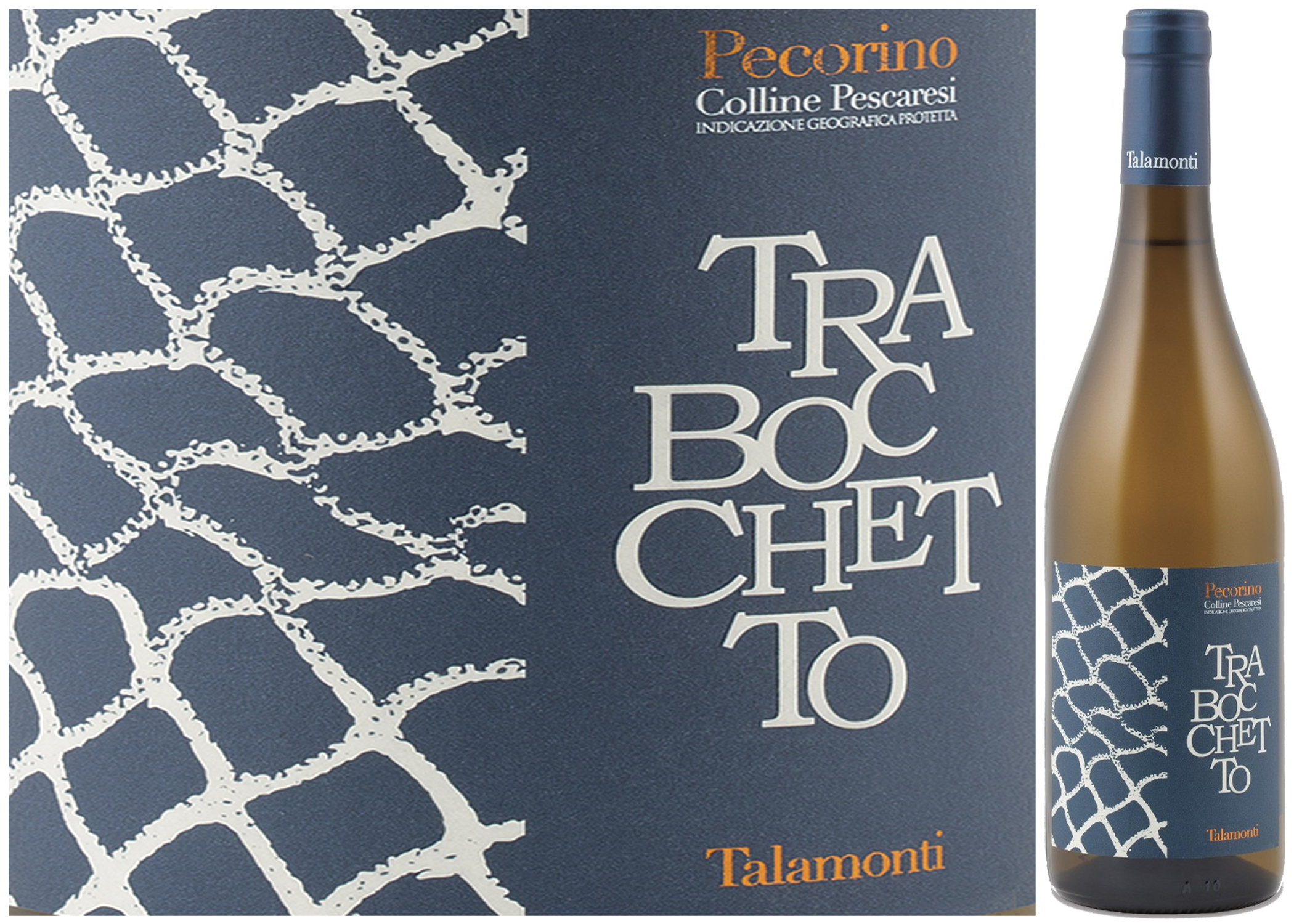
Trabocchetto

TALAMONTI TRABOCCHETTO PECORINO 2012
VINTAGES – LCBO Product #372474 | 750 mL bottle
Price $15.95
Alcohol/Vol. 13.0%
Sugar Content Descriptor: XD

Made in: Abruzzo, Italy
By: Cantine Talamonti
Release Date: July 5, 2014

Tasting Note
Straw-hued with vibrant fruit-forward flavours of pear and apple, this dry and
aromatic wine is wrapped in a crisp, fresh acidity. Ideal with grilled fish and
calamari or lobster, fresh cheeses, pasta, and legume soups.
Bonarda Alert

By now, most wine consumers are aware of the success in the transplantation
of Malbec from its roots in the French Cahors region, to thriving in the relative
new world surroundings of Argentina. Less well-known is the intriguing story of
the Bonarda grape: the region’s second-most planted variety. Currently, debate
and uncertainty continues to swirl about its origin with some expert speculation
suggesting that its parent vine stock is Bonarda Piemontese or Novarese from
Italy. Others propose that it’s the French grape Corbeau in disguise, which is now
nearly commercially extinct in its native, sub-alpine region of Savoie. What does
seem somewhat more certain, in a cross-cultural farming legacy with so many
twists and turns, is that it was imported to South America by Italian immigrants
who are credited with the further development of the vineyards first established
by Spanish missionary priests, then improved on by French botanists – and now
being very innovatively overseen by visionary, homegrown talent!

Launched in 2000, the ‘VinEcol’ winery project set out to join the leading-edge of
the organic wine-making scene that has quickly developed both in Chile and here
in Argentina’s famed Mendoza region. Arguably, these wine-making regions enjoy
unique geographic and climatic attributes such as high altitude and low humidity
which guard against many of the scourges and susceptibilities suffered by grape
vines elsewhere such mold, fungus and insects. This reality has made transition
to organic practices much less complicated, though no-less admirable a pursuit.

Desirably situated at the edge of the Ñacuñan Biosphere Reserve in the district
of La Paz, the bodega’s 80 hectares of trellised vineyard excel in an unspoiled
and almost pollution-free environment. Some challenges exist though, in what is
essentially a near-desert environment created and perpetuated by being in the
‘rain-shadow’ of the Andes range. The upside to this is the relative abundance of
melt water from the mountains, which feeds the Mendoza River and then in turn,
gets distributed throughout the dusty plain – offering growers the option of drip
and/or surface (flood) irrigation.

As the ‘organic’ farming movement is still in its early years, there are numerous
outstanding questions regarding the impact of these regimes and philosophy on
quality and flavor. In the case of this week’s DéClassé recommended bottling of
VinEcol Bonarda, the questions are moot; this is simply great wine being offered
at a remarkably modest price-point. Dare to try it ever-so-slightly chilled as your
new, go-to summer red. Better buy a bunch before it’s gone until next year!

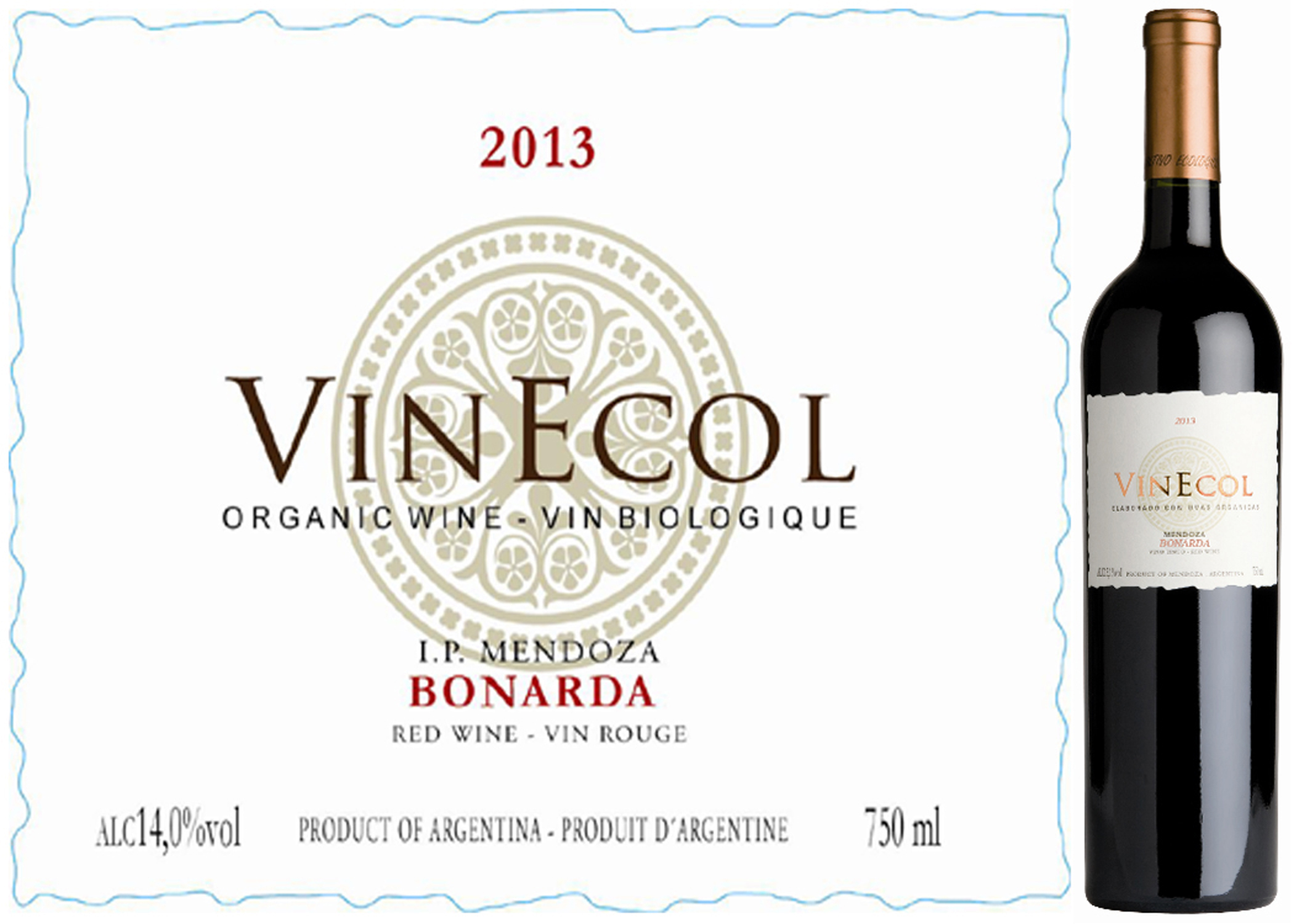
Vinecol Bonarda

VINECOL ORGANIC BONARDA 2013
VINTAGES – LCBO Product #375493 | 750 mL bottle
Price $ 15.95
14.0% Alcohol/Vol.
Sugar Content Descriptor: XD

Made in: Mendoza, Argentina
By: Winery Vinecol Sa
Release Date: Jun 21, 2014

Tasting Note
This rich, ink-coloured and pleasingly rustic wine has loads of dark berry fruit,
chocolate and a touch of spice. Try serving with grilled meats, roasted veggies,
or as an apéritif with slightly more assertive cheese such as Pecorino.

Pinot Blanc Alert

Founded in 1958, La Cave du Vieil Armand is a co-op of 100 growers that tend
to vineyard plots distributed throughout the southern regions of Alsace. By local
standards, this is a small group, though one which favours delivery of premium
offerings over production volume. One demonstrative indicator is the willingness
to cellar their wines indefinitely – until they’re deemed to be fully mature. This is
certainly the case here, with a Pinot Blanc release that’s from a 2009 vintage!

With a history traceable to 1230, one of their sub-brands: Chateau Ollwiller is
considered to be one of only 2 properties to have birthed Alsacian wine-making
traditions in the Middle Ages. Originally overseen by the wine fief: the Count of
Ferrette, the Château’s vineyards cover 25 hectares on the elevated slopes of
the Le Vieil Armand (‘Old Armand’), a rocky spur in the Vosges mountains. Soil
composition is largely made up of marl and sandstone on a limestone base that
lends an aromatic complexity and minerality to the vine stock grown here.

Within this intriguing property is the so-called ‘Clos de la Tourelle’, a dedicated
sub-plot planted with only Pinot Blanc grapes. Punctuated by an ancient stone
watch tower, the single-vineyard nature of this bottling is iconoclastic both in its
geographical setting, vinicultural character, as well as, its classic, ‘flûte’ shaped
bottle. The variety is often referred to as the workhorse grape of Alsace and has
an undeserved reputation as being sometimes wanting in terms of a distinctive
flavor profile. This is perhaps missing the point as far as appreciating the subtler
charms that this very well-made varietal bottling has to offer. Produced with cold
and slow fermentation in stainless steel tanks with no oak in the aging, this very
typical Alsatian style yields a natural spiciness to compliment the bright, natural
blonde and crisp acidity – making them perfect wines to pair with lighter foods.

Grand Gold winner at 2013 Concours International de Lyon – buy at least 2!

Clos de la Tourelle

CHATEAU OLLWILLER CLOS DE LA TOURELLE PINOT BLANC 2009
VINTAGES – LCBO Product #377788 | 750 mL bottle
Price $ 16.95
12.5% Alcohol/Vol.
Sugar Content Descriptor: D

Made in: Alsace, France
By: Cave du Vieil Armand
Release Date: Jun 21, 2014

Tasting Note
This wine has an intriguing tartness and a firm acidity with apple, pineapple and
sweet lemon flavours in the foreground. Try serving as a well chilled apéritif with
soft cheeses, summer salads, poultry and fish dishes.

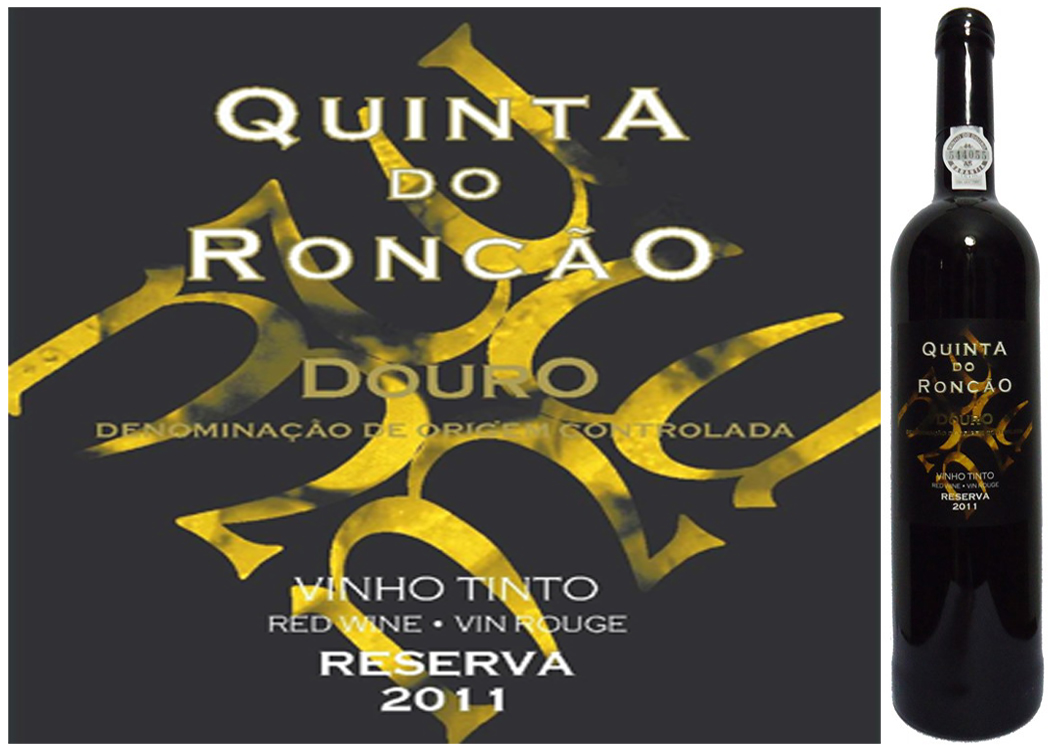
Vinho Tinto Alert

Majestically winding its way for over 900km down through the Iberian Peninsula,
the Douro River acts as a border with Spanish neighbours, while also providing
the region on the Portuguese side with its iconic namesake. The wine-producing
zone lies framed between the towns of Barca d’Alva and Régua where the river
valleys point westward for a time, creating ideal growing conditions that are
equally conducive to regionally distinctive White, Red and Port grape varieties.

Blended from local stars Touriga Franca (50%), Tinta Roriz (30%) and some
Touriga Nacional (20%), this week’s DéClassé recommended wine could have
ended up being processed into a Port style; had it been mixed with a form of
unrefined Brandy. This alternate finishing recipe would have eliminated any of
the remaining yeasts, so as to maintain a higher degree of sweetness. Rather,
the yeasts were allowed to complete the wines transition from having residual
sugar – to having all these converted to alcohol, thereby becoming a ‘dry’ wine.

As in the case here, most of Douro’s red wines are vinified in so-called ‘lagares’.
These are fairly large, open stone containers made of Granite and Schist that
the sorted and destemmed grapes are poured into – to then be methodically
crushed under foot in this age-old, wine making tradition. Fermentation naturally
begins when the wild yeasts that coat the grape skin comes into contact with
the sugar from the released juice. Surprisingly, it frequently requires only 24hrs.
to complete this step, after which the young wine is strained into stainless steel
holding tanks to undergo a second, bacteria-induced ‘malolactic’ fermentation.
This healthy form of bacterial intervention helps to convert the tart Malic acid in
the fruit into Lactic acid, which markedly softens the mouthfeel of the wine.

Maria Manuela Matos Mendes oversees 23 hectares of reclaimed family farm
including both vineyard and Olive grove and is a leading part of a reinvigorated
generation of Portuguese vintners that are both fiercely proud of long-standing
wine-making methods, but are also embracing modern, international standards.
Their output, arguably, remains under-priced relative to the high quality of their
offerings, which means that now is still a great time to stock up before everyone
catches on to these astonishing values. Decant for several hours, or put your 6
bottles away for a couple of years and be amazed at how good it will become!

Quinta Do Roncao

QUINTA DO RONCÃO RESERVA 2011
VINTAGES – LCBO Product #147942 | 750 mL bottle
Price $ 15.95
14.1% Alcohol/Vol.
Sugar Content Descriptor: XD

Made in: Douro, Portugal
By: Maria Manuela
Release Date: Jun 7, 2014

Tasting Note
Pick a juicy red and black fruit that comes to mind and you’ll likely be able to tag
it in the aromas and flavours in this bottling. This will nicely compliment all of the
more-premium food-fare coming off your grill this summer.

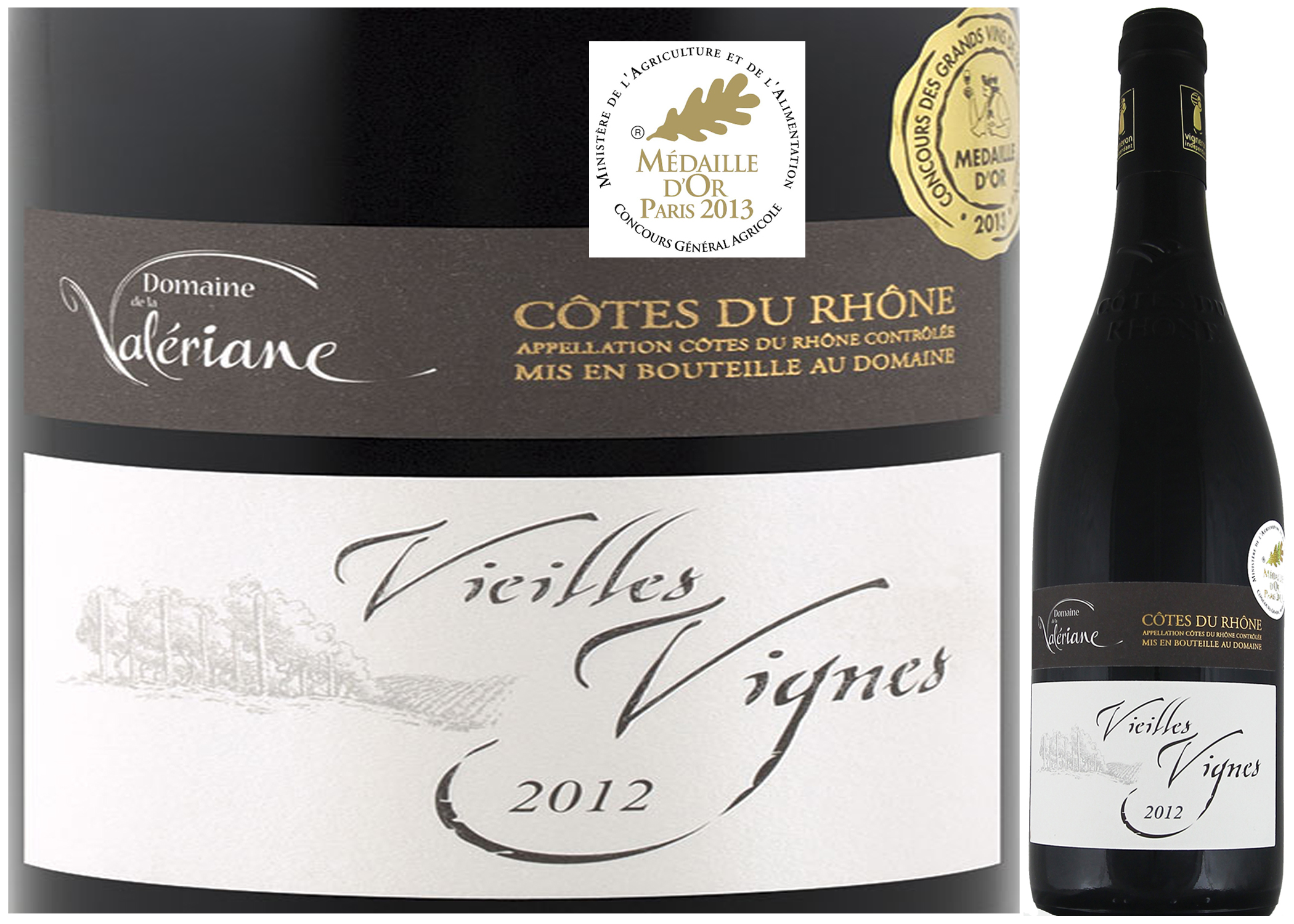
Côtes du Rhône Alert

Providing Domaine de la Valériane with its namesake, Valérie Collomb
is building an enviable reputation for the 40 hectare family farm. Located in the
small village of Domazan just outside the city of Avignon, the current property
was consolidated by her parents from several existing vineyard plots in the early
1980’s. Geographically, this is at the lower end of the crescent-shaped areas in
the Southern Rhône Valley – renowned for the prolific output of so-called ‘GSM’
blends (Grenache, Syrah and Mourvèdre) among numerous other variations.

As far as familiar French wine regions go, these demarcated areas represent a
relatively newer set of AOC’s (Appellation d’Origin Contrôlée), most of which were
only created in the late 1930’s, with another 10 areas added in 2004. Primary
groupings for wines produced fall into 3 categories: Côtes du Rhône – the least
stringent, Côtes du Rhône–Villages is more noteworthy, particularly those with
the actual village name added and finally so-called Cru, representing the highest
quality available. All in all, with very healthy and sustainable production levels of
around 350 million bottles a year, CDR wines will continue to be offered at highly
competitive pricing well into the foreseeable future.

This week’s DéClassé recommended bottling is an unusually limited blend that
uses only 2 equal parts drawn from 23 allowable grape varieties: 50% Syrah
and Grenache. Notably though, this offering is being produced from the fruit of
30 to 40-year-old vines, which thrive here in the clay-limestone soils covered with
large stone pebbles – thus justifying the moniker of ‘vielles vignes’ (old vines). As
well, fermentation and aging of the harvest only takes place in concrete vats, so
this particular blend never sees the influence of wood – thereby displaying much
softer tannins and more natural character than a wine that has been Oak-aged.

This is ready to go now, though will hold up for another year or so. As the vintner
is unsure of which Gold Medal stickers to place on the bottle: either the equally
prestigious Concours de Mâcon or the Concours Général de Paris 2013, this
wine is selling quickly –buy at least 2 if not half a case to cover your summer!

Valeriane

DOMAINE DE LA VALÉRIANE VIEILLES VIGNES CÔTES DU RHÔNE 2012
VINTAGES – LCBO Product #374280 | 750 mL bottle
Price $ 17.95
14.5% Alcohol/Vol.
Sugar Content Descriptor: XD

Made in: Rhône, France
By: Valérie Collomb, Prop.-récolt
Release Date: May 24, 2014

Tasting Note
This is a medium-bodied, fruit-driven wine that will develop some spiciness when
paired with a broad variety of food fare from the oven or the grill. These might
include ratatouille, Porcini-crusted roast lamb, chicken Tikka Masala and Chevre,
Brie and Camembert cheeses.

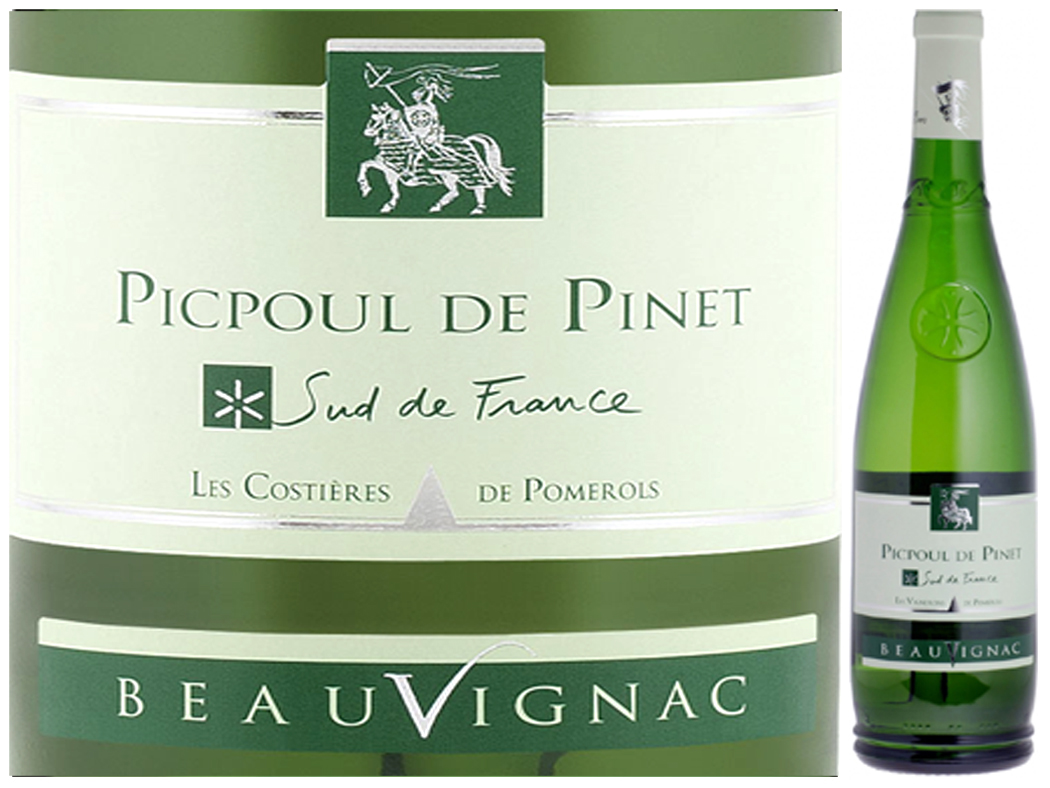
Picpoul Alert

Pinet is situated inland some six miles from the coast, bordering on the edge of
Etang de Thau (a salt water lagoon) in southwest France. In spite of a modest
population of 1300, this nonetheless is the heart of the Picpoul de Pinet AOC.
A favourite style of the Emperor Napoleon III, these premium, regionally distinct
wines are made with a lesser-known, golden skin-coloured grape originally called
Piquant-Paul, later as Picapulla and finally now known as Piquepoul. Referencing
the grape’s naturally high levels of acidity with mineral accents, its name literally
translates as ‘stings the lip’ – though it doesn’t really, of course!

Moreover, this lively fruit was traditionally blended with another obscure variety
known as Clairette, creating a tangy wine style called white Picardin – millions of
liters of which were once shipped northwards along networks of canals to Paris
each year. Susceptible to various pests, the vines fell out of vinicultural favour in
the late 19th century. Able to thrive in sandy soils (unlike it’s associated pests),
Picpoul is again resurgent in Mediterranean coastal vineyards that surround Pinet.

Home to the cooperative Cave de Pomerols founded in 1932, this group boasts
320 members and growing, tending to over 800 hectares of highly productive
vineyards in a landscape that is basically a chalky-clay plateau, rich in limestone,
quartz gravel and otherwise covered with Garrigue. This indigenous vegetation
lining the coast, is made up of an assortment of small aromatic bushes, which
like the local grapes have gradually adapted to thrive in the near-drought climate
of summertime. Though challenging, these growing conditions are fortuitously
punctuated by late season humidity, thereby encouraging the fruit to plump up,
reaching full maturity before harvest.

For this week’s DéClassé recommended bottling, this ancient varietal white is a
very dry, citrus-scented wine with a long-standing reputation for being the perfect
complement to shellfish – the wine’s acidity balancing off the saltiness. However,
Picpoul is food-friendly in general and fulfilling when served alone as an apéritif.

Beauvignac

BEAUVIGNAC PICPOUL DE PINET 2013
VINTAGES –LCBO Product #350124 | 750 mL bottle
Price $ 13.95
12.5% Alcohol/Vol.
Sugar Content Descriptor: XD

Made in: Midi, France
By: Les Costières de Pomérols
Release Date: May 24, 2014

Tasting Note
A very lively wine style with lemony overtones of citrus fruit, pleasantly refreshing
grapefruit flavours and a hint of minerality on the tangy finish. It’s an ideal partner
with seafood, grilled fish, seafood, rich cheese and charcuterie.

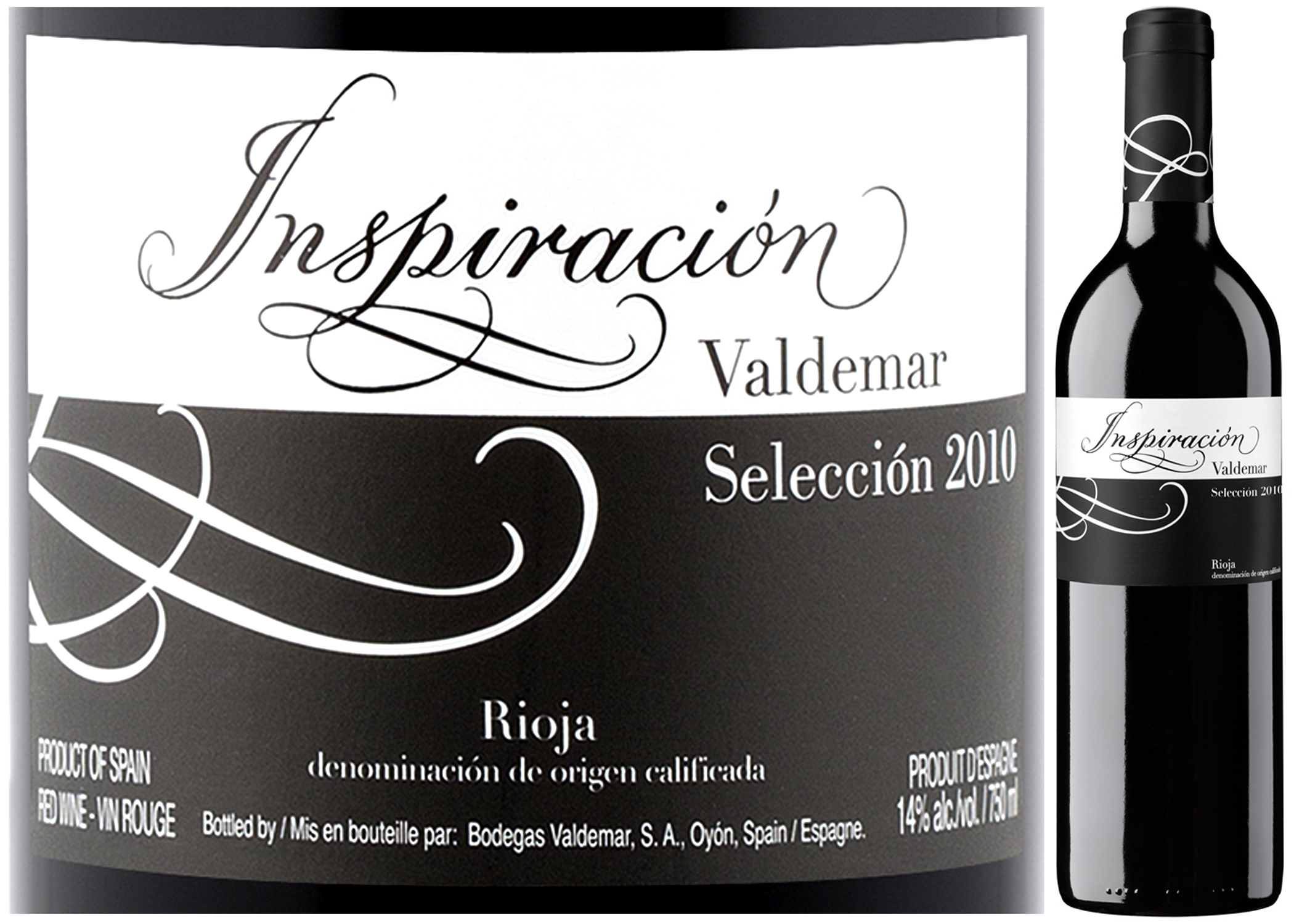
Rioja Alert

For a family tradition begun in 1889, Carlos and Ana Martínez Bujanda are the
current stewards of an impressive history at Bodegas Valdemar – now rooted
in the pursuit of wine-making innovation on their 1,000 acre estate. Beginning
about 25 miles south of the French border and in the shadow of the Cantabrian
Mountains, the 3 famed sub-regions: Rioja Alta, Rioja Baja and Rioja Alavesa are
clustered around the Ebro River and its tributary Rio Oja. Long considered the
premier source of Spanish wine, local vintners have been practicing and refining
their agricultural art here for well over 2,500 years and counting.

This modern Rioja blend built on an elegant backbone of 80% Tempranillo with
its fruity mouthfeel, will become even more velvety as it ages. Making up fully ¾
of all root-stock planted in this storied region’s vineyards, its name is derived
from the Spanish ‘temprano’ meaning ‘early’ and it does in fact, reliably ripen
quite early. Adding some additional complexity are 10% each of Graciano and
Maturana Tinta. Almost lost as a result of difficult cultivation liabilities including
susceptibility to molds such as Botrytis, these indigenous varieties are seeing
a resurgence of popularity due to the strong aromatic character that Graciano
imparts and the intensity of colour that Maturana provides. As well, both have
a high polyphenol content that promotes better balanced barrel-ageing, which
in the case of this wine’s Crianza designation – means a minimum of 10 months
spent in mainly French and some American (20%) oak.

Ranked #34 in Wine Spectator’s Top 100 Wines of 2013, it’s decidedly a
remarkable showing for an offering under $20 a bottle. This has sufficient body
to hold up well for another 3-4 years – so buy lots and don’t rush to drink it!

Inspiracion

VALDEMAR INSPIRACIÓN SELECCIÓN 2010
VINTAGES – LCBO Product #166512 | 750 mL bottle
Price $ 17.00
13.5% Alcohol/Vol.
Sugar Content Descriptor: XD

Made in: Rioja, Spain
By: Bodegas Valdemar
Release Date: May 10, 2014

Tasting Note
This is a medium-bodied red with lively acidity, integrated tannins and hints of
both balsamic and spice. Far more polished than one would expect from its
price-point, try serving with braised or charcoal grilled meats and sausages.
Also satisfying as an apéritif with ripe cheeses, spicy tapas and charcuterie.

Pinot Gris Alert

Here in Baden, in the south-western region of Germany across the border from
Alsace, both Pinot Blanc and Noir grapes are grown on the verdant slopes of an
ancient Vulkanfelsen (volcano) that was bestowed in the early 13th century with
the auspicious moniker: Kaiserstuhl (the Kaiser’s throne). Among many other
surprising attributes of soil and climate, this remarkable region also plays host
to Europe’s largest variety of Orchids, wild Grape Hyacinths and Iris’s!

As for the current range of German wine exports, the industry is still working to
overcome associations by north American consumers – that they only produce
various types of Riesling, particularly, sweeter versions. Gradually, with the help
of Pinot Gris (here also locally known as Rulander or Grauburgunder), the broad
diversification of wine styles being released from the cool cellars of this week’s
DéClassé recommended vintner Königschaffhausen, as well as, from nearby
vineyards of Baden – is tempering and expanding this outdated impression.

Dry, silky, elegant and loads of depth – by comparison, this week’s bottling shows
a level of quality and character that puts most star whites such as Soave, Grigio
or Sauvignon to shame for their lack of distinction. Just released to Vintages,
this week’s recommendation is on many ‘best of the month’ lists, so will require
some Olympian sprinting to get to the shelves before it’s gone until next year. If
you are a white wine lover, don’t hesitate to buy half a case. If you’re among the
pack of intransigent red wine lovers – then only buy 3 so you have something
truly interesting to offer your white wine-loving friends!

Konigschaffhausener Vulkanfelsen

KÖNIGSCHAFFHAUSEN VULKANFELSEN TROCKEN PINOT GRIS 2012
VINTAGES – LCBO Product #597500 | 750 mL bottle
Price $ 15.95
13.0% Alcohol/Vol.
Sugar Content Descriptor: D

Made in: Baden, Germany
By: W.G. Koenigschaffhausen Eg
Release Date: May 10, 2014

Tasting Note
Delicate floral aromas as well as pear and stone fruits. This dry, mid-weight white
is a fabulous value to serve with cheeses, roast chicken or smoked fish.

Rosé Alert

Stellenbosch is both a designated wine-producing district and historic town in
South Africa’s Western Cape Province. About 50km east of Cape Town, it dates
back to 1679 when it was founded by the Dutch governor of the Cape Colony
Simon van der Stel. The vines here are planted in well-drained hilly terrain, with
most vineyards lying in sheltered valleys below the Cape Fold mountain range.
The first of this regions vine stock was planted by Huguenot settlers in 1690.
Three centuries later in 1989, an unassuming plot of land that the locals had
dismissed as being ‘vuilplasie’ (dirty little farm) was gradually converted. From
its fledgling vintage of white wines onward, the Mulderbosch winery under the
creative guidance of Mike Dobrovic, has significantly contributed to developing
South Africa’s reputation as a source of world-class wine.

This varietal Rosé is made from the so-called ‘Don’ of red grapes – the compact
black berries of the thick-skinned Cabernet Sauvignon (89%) with small dashes
of Cabernet Franc and Merlot. Harvested somewhat earlier than if destined to
be finished as full red wine, this practice imparts naturally higher levels of acidity,
minerality and brightness to the aromas of the fruit. These resulting qualities
also benefit from a geographic advantage whereby the vines are cooled by a
wind tunnel effect between the surrounding hills, offsetting the often wilting
summer climate. Undoubtedly though, this very dynamic 48 hectare farm has
come a long way in a mere quarter century. Along with attaining critical and
commercial success, the eco-friendly farming strategies employed qualify it as
Certified Sustainable. Moreover, 25% of the property has been dedicated to a
nature conservancy, ensuring that the bio-diversity of indigenous vegetation and
wildlife also continue to thrive.

Apparently, local rumor has it that only Mozart is played in the wine-making cellar
during the cool fermentation process – perhaps imparting some added finesse
and sophistication! All in all, a great deal of investment has been directed into
this modestly priced bottling, which should translate into getting at least 2 – as a
colourful contribution to your upcoming Mothers’ Day celebrations!

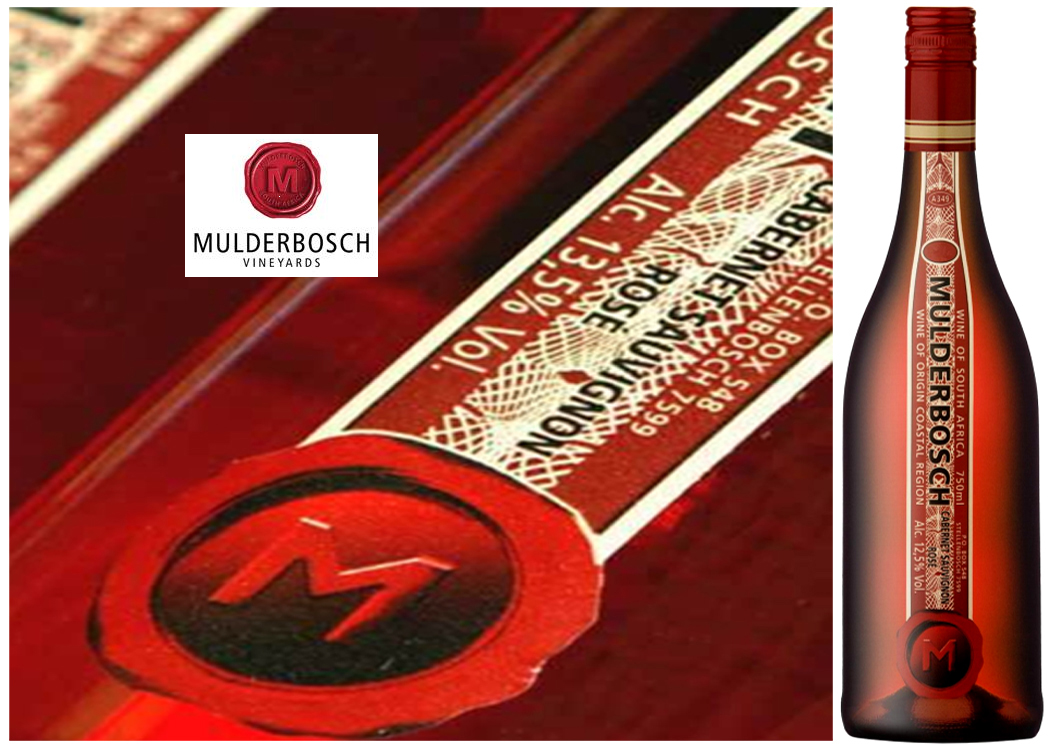
Mulderbosch

MULDERBOSCH CABERNET SAUVIGNON ROSÉ 2013
VINTAGES – LCBO Product #999821 | 750 mL bottle
Price $ 12.95
13.5% Alcohol/Vol.
Sugar Content Descriptor: D

Made in: Coastal Region, South Africa
By: Mulderbosch
Release Date: May 10, 2014

Tasting Note
This is a dry Rosé that’s medium-bodied, full of lip-smacking acidity with ripe
apple, watermelon, strawberry flavours and aromas. Serve this well-chilled to
preserve its crispness as an apéritif or alongside salads, quiche, vegetable
spring rolls and sushi.

Malbec Alert

Centered in the town of Maipú, at the foot of the majestic Andean mountains
Trapiche is no Argentinean upstart; having received its first international award
in Paris in 1889. From its modest beginnings as a small plot called El Trapiche,
the winery now oversees over 1,255 hectares of vineyards, as well as, working
collaboratively with over 300 local growers. It is also a leading South American
influence in actively pursuing Biodynamic farming practices. Aiming to preserve
the natural balance of both the fruit crops and surrounding ecosystems, they
have gradually eliminated use of chemicals, herbicides and fungicides. This is not
only a pure form of ecological agriculture, but also intends to produce wines that
are more representative of terroir through a less-invasive manner of production.

Cultivation of Argentina’s signature Malbec grape, a hearty, thick-skinned variety
first introduced in the 1850’s by Frenchman Miguel Pouget has gone through
many cycles of being in and out of commercial favour. From the transplantation
from its roots in the French Cahors region to thriving in new world surroundings
in the now famed Mendoza region, this week’s DéClassé recommended, varietal
bottling is 100% Malbec. Harvested from mature, 25 yr.-old vine stock, this is an
example of the Broquel (‘shield’ in Spanish) tier of wines, that are single vineyard
selections from within the estate aged for 15 months in a combination of 100%
new French and American oak barrels.

For bigger-bodied red wine lovers, you’re unlikely to find a more over-achieving
bottle at such a humble price-point. Time to stock up your cellar on a budget
– as this will continue to become even more rounded over the coming 2–5yrs.
If you’re incapable of waiting, then decant an hour or so in advance of enjoying.

Trapiche Broqel

TRAPICHE BROQUEL MALBEC
LCBO Product #234385 | 750 mL bottle
Price $ 12.95
Limited Time Offer
Was: $ 14.95
Until May 25, 2014
14.5% Alcohol/Vol.
Sugar Content Descriptor: XD

Made in: Mendoza, Argentina
By: Penaflor/Trapiche

Tasting Note
This wine with its deep ruby hues gives off heady aromas of red and black fruit.
Also expect classic notes of spice, vanilla and fairly smooth tannins – though
this is still a young wine. Try serving with grilled red meats, hearty stews, pastas,
maple-roasted squash 
or mushroom risotto.