Garnacha Alert

Southeast of the somewhat better known regions of La Rioja and Castilla Y Léon
is the town and designated wine region of Calatayud. Nestled in the province of
Zaragoza, part of the medieval kingdom of Aragon, 5,600 hectares of vineyards
stretch out along the south-facing slopes of the Sierra de la Virgen mountain
range and along the winding Ebro River valley. The namesake for this area can
be traced back to the Moorish occupation of Spain, when local governor Ayud,
had built a fortress called a Qalat situated where the current town now stands.
With even older history and early vinicultural traditions recorded by local poet
Marco Valerio Marcial, commissioned by roman Caesars Titus and Dominicus,
wine has been made here for about 2,500 years.

More recently, due to significant investment and the upgrading of facilities, the
enterprising vintners of the Calatayud DO now produce over 14 million liters of
wine annually, though are still challenged to establish a reputation and position
in the export market. Fortunately for local buyers here, this translates into very
competitive prices for classic, old world wine fashioned from 100% Garnacha
vines that are in many cases are over 100 years old!

Bodegas Langa, with its own rich family history, has staked a relatively new claim
nearby to Mount Vicor (circa 1982) and is bio-dynamically farming grapes here
without the use of either chemical fertilizers, insecticides or weed killers. An arid
landscape challenges the deeply rooted vines to extract the necessary nutrients
and moisture from the rocky limestone soil, resulting in characterful grapes and
wine. After harvest, a combination of old and contemporary techniques sees the
fruit fermented in stainless steel vats during several stages of around 20 days
each (with naturally present yeast) then transferred to American oak barrels for
an additional 11 months of ageing before bottling.

Generally, this unfussy production style with less filtering and handling, results
in an earthy, soft and unusually dark Garnacha wine style. Year in and out, it’s
a perennial LCBO Vintages favourite and certainly will be on many best-buy lists
again – buy one to try before quickly stocking up on as many as you can afford!

langa

LANGA TRADICION CENTENARIA GARNACHA 2012
VINTAGES – LCBO Product #194795 | 750 mL bottle
Price $ 14.95
14.5% Alcohol/Vol.
Sugar Content Descriptor: D

Made in: Calatayud, Spain
By: Bodegas Langa Hnos
Release Date: June 13, 2015

Tasting Note
Full bodied aromas of red fruit and spice with flavour replays of cherry, raspberry
and some smoky notes. Very smooth and rounded. Will complement most red
meats, slow cooked BBQ ribs, roasted poultry and strong cheeses.

Primitivo Alert

Gioia, a small picturesque town centered on a 13h century castle, is the heart
of Puglia. This strategic coastal region nestled between the Ionian and Adriatic
seas, inherits its fame, in part, from the fortuitous exploits of a legendary Queen
who stumbled onto a cache of buried, precious stones. Having them made into
a necklace, she gave Gioia del Colle its translated moniker: “Jewels of the neck”.

Rife with colourful folklore, this is also the reputed birthplace of Primitivo wine,
where local history records another popular tale of a 17th century Benedictine
monk Francesco Primicerius, who having discovered the first wild vines thriving
in the gardens of his monastery, he further cultivates and begins transplanting
them into the surrounding fields. With the experience and learning from many
successful harvests, its classification and name are derived from several Latin
terms, loosely translating in meaning as ‘the first to ripen’ – and so it does.

Looking to the present day, this grape has a relative that flourishes in California,
grown as a genetic twin called Zinfandel. Moreover, after long-term speculation
by viticulturalists, both varieties are determined to be descendants of an older
Croatian parent grapevine: Crljenak Kastelanskj (aka Plavina). The Italian clonal
version featured here though, is somewhat lighter, a bit drier and significantly
more price-competitive than most American ‘Zins’ – most of whom carry an
unwarranted price tag for what is a relatively straightforward-to-grow grape
and uncomplicated wine style!

Punctuated by the Salento Peninsula, referred to as the ‘heel’ of south-eastern
Italy, the astonishing level of winemaking output is building on ancient traditions
that were first begun by enterprising Phoenicians, then followed by the Spartans
who settled here in 706BC after emigrating from Greece. As seems to be the
case with so many resurgent regions in Italy, the focus on well made, bulk wine
production, aimed toward local consumption – is shifting qualitatively upward, to
better-satisfy the standards and competition of an international market.

Cantine Coppi is one of many progressive, regional vintners making the leap and
consistently delivering higher quality table wines as with this week’s DéClassé
recommended bottling of their Peucetico. Having earned a dependable place in
the Springtime, Vintages release schedule, you had better grab several, as it will
be leaving the LCBO shelves by the caseload.

Peucetico

COPPI PEUCETICO PRIMITIVO 2008
VINTAGES – Product #724674 | 750 mL bottle
Price $ 13.95
13.5% Alcohol/Vol.
Sugar Content: D

Made in: Puglia, Italy
By: Cantine Coppi
Release Date: May 16, 2015

Tasting Note
A very fruity palate typical of the grape style with aromas of mixed berries,
plums, spice and vanilla. Try with some classic comfort foods such as pasta
Bolognese, veal scaloppini with sun-dried tomato or a Neapolitan pizza.

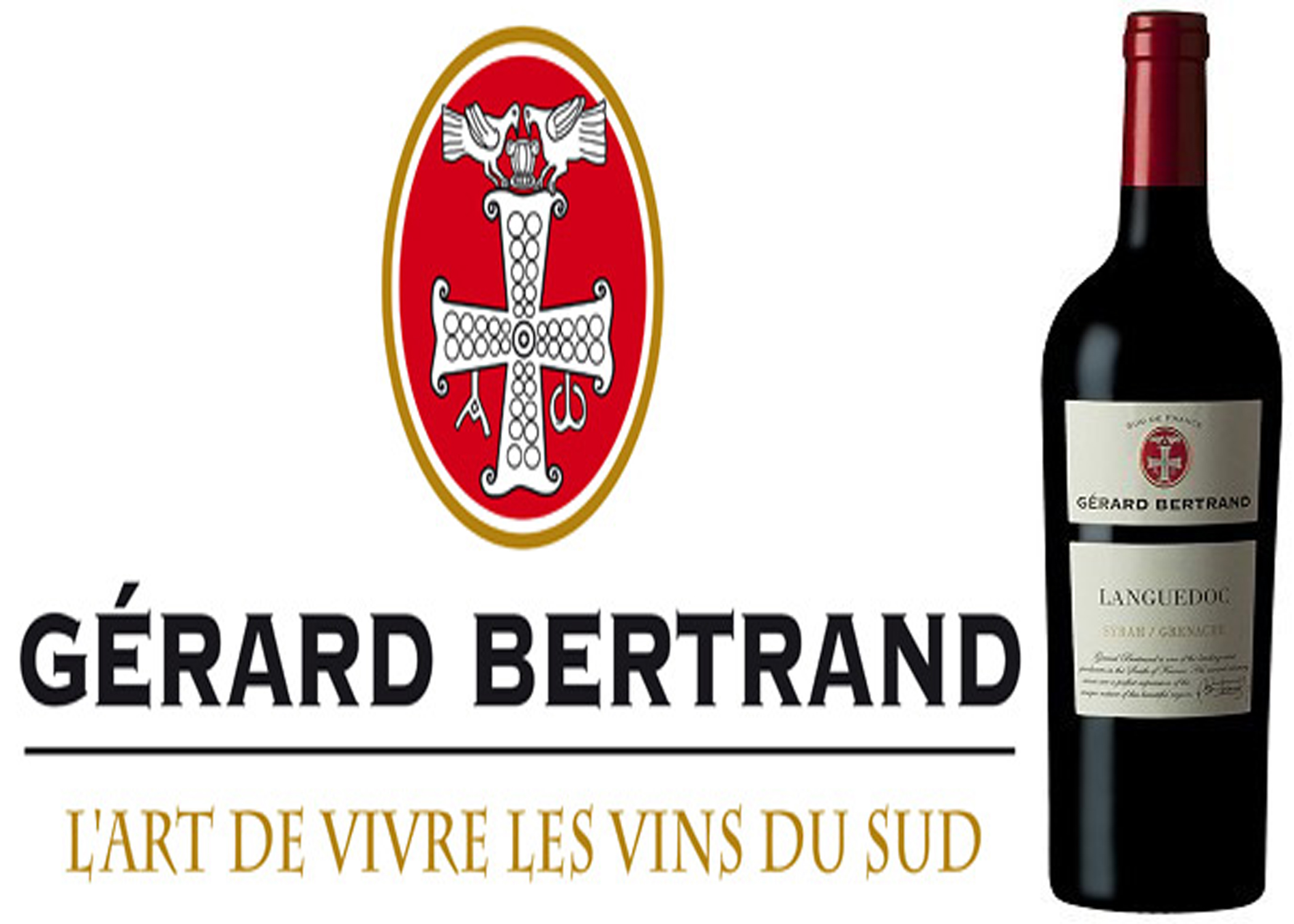
Languedoc Alert

Proudly displaying the dramatic, four-armed Visigoth symbol that dates to the 7th
century; later known as the Languedoc Cross or Cross of the Cathars, the four
elements and its twelve points of the zodiac represent the perfect and perpetual
cycle of time and nature. This vintner’s very apt emblem also includes 2 doves
drinking from a single cup – expressing both sharing and communion. Begun by
father Georges, a winemaking pioneer in the Languedoc region who diligently
worked to foster a spirit of cooperation among local growers in the 1970’s, this
benchmark winery has consistently been at the forefront of quality development
for an impressive range of regionally distinctive wine styles. A multi-generational
philosophy is being carried forward by the founder’s son Gérard Bertrand, with
an ever-expanding portfolio of 10 estates, 550 hectares of vineyard and primary
production facilities proudly based around Narbonne in south-central France.

On a landscape of windswept scrublands that border this Mediterranean shore,
the calcium-rich, grey-white limestone of a former seabed is punctuated with
thyme, wild lavender and undulating rows of gnarled Syrah and Grenache grape
vines. As with the land, wine-producing regulations of this free-spirited region
are less stringent than in the neighbouring Burgundy or Bordeaux appellations,
allowing for a broad range of varieties to be cultivated and blended – with these
2 starring grapes often providing the backbone. Syrah ripens more quickly than
its blending partner, so gets vatted in whole bunches first, while the somewhat
delayed harvesting and destemming of the Grenache fruit catches up later on.
Transferred into large 225-litre Bordeaux barrels to age for at least 10 months,
it’s then bottled and left to settle in for many more. In the case of this week’s
DéClassé recommendation – it’s been another 3 years.

Though you will find many bottlings from this prolific vintner on the regular LCBO
shelves, note that this particular release is only stocked in the Vintages section.
With warmer days ahead – dare to try this big, fruit-forward red slightly chilled!

Gerard Bertrand

GÉRARD BERTRAND LANGUEDOC SYRAH/GRENACHE 2011
VINTAGES – LCBO Product #413237 | 750 mL bottle
Price $ 17.00
14.5% Alcohol/Vol.
Sugar Content Descriptor: XD

Made in: Midi, France
By: Gerard Bertrand
Release Date: May 2, 2015

Tasting Note
This is a firm and fairly spicy wine style that is best enjoyed with foods such as
stuffed peppers, meatballs in spiced tomato and olive sauce, grilled meats, fire
roasted vegetables and stronger, ripe cheeses.

Mencia Alert

El Bierzo DO is a wine region tucked away in the province of León – among the
most exciting Spanish frontiers and source of some of its most qualitative wine.
The fertile plain and forests of this lush valley situated between the Montes de
Leon and Cordillera Cantábrica mountain ranges is referred to as the ‘gateway
to Galicia’ as its geography is a funnel into this verdant corner of northwestern
Iberia. Though it’s a relatively small wine growing area, it benefits from a special
microclimate that is equally conducive to cultivation of red and white vine stock.
Despite being a lesser-known region in terms of international markets, the 55
prolific Bodegas here are outputting an impressive11million liters annually and
still sustainably expanding.

Under the watchful guidance of master wine maker, José Luis Vázquez Santín,
Bodega del Abad (the ‘Abbot’s Cellar’) has only been active as an independent
producer since 2003, but already boasts a loyal following that was reinforced
by a surprising release several years ago of a 2001 Crianza-grade cache that
had been hiding somewhere in the back corners of their cellars. This week’s
DéClassé offering of a 2006 bottling is also surprising. In both cases, the wine
is well beyond the mandated 2 years of combined ageing to qualify for a Crianza
designation. The vintner has exercised significant patience in assuring that the
vintage has the balance of being fully rounded and mature, while still possessing
some soft fruitful vigor wrapped in chocolate flavours.

These attributes are a winemaking accomplishment due in part to the modern
production techniques being applied, but also a result of the innate potential of
Mencia. Indigenous to Bierzo, the variety is now considered to be one of the four
most important Spanish red wine grapes. Producing small, compact clusters of
medium-sized, violet-blue berries, its renaissance of popularity is founded on an
ability to yield age-worthy wine at a relatively modest price point. 35 hectares of
Bodega del Abad’s vineyards are located up on steep terrain made up of slate
and quartzite-laden soils. The properties mix of old vines, with some approaching
70 years-of-age, are yielding meticulously handpicked and sorted fruit; creating
wines with a characteristic, velvety palate.

This is both ready to go now and will hold up for nicely for several more years. It
will likely fly off the shelves quickly as word of this formerly hidden gem spreads.
So buy enough to get you through an upcoming Summer and Fall – while you can!

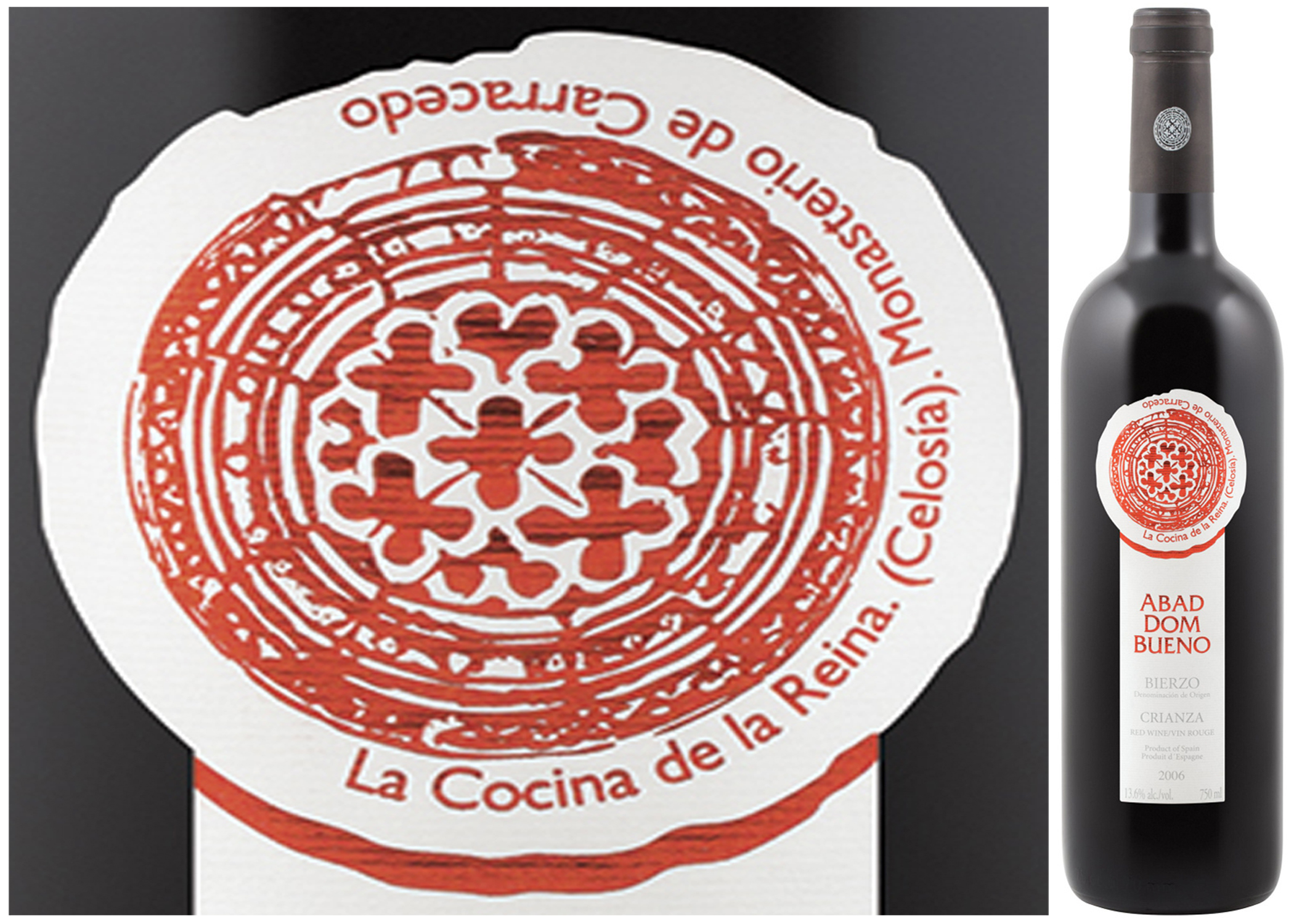
Abad Dom Bueno Crianza

ABAD DOM BUENO CRIANZA 2006
VINTAGES – LCBO Product #244699 | 750 mL bottle
Price $ 15.95
Alcohol/Vol. 13.5%
Sugar Content Descriptor: XD

Made in: Bierzo, Spain
By: Bodega Del Abad
Release Date: April 18, 2015

Tasting Note
Having aged gracefully, this offers juicy red cherry and currant flavours. A core
of gentle tannins and some refreshing acidity enhances the soft notes of black
pepper and tea leaf flavours. Serve with rich poultry dishes, roast leg of lamb,
marinated steak or spicy beef empanadas.

Roussillon Alert

The Maison M. Chapoutier, originally founded in 1808 and having established
a portfolio of mature vineyards next door in the southern Rhône, continues to
forge ahead with the development of new properties while also applying organic
wine growing methods. This week’s DéClassé recommended bottling draws on
fruit from more recently developed vineyards in the Côtes-du-Roussillon Villages
designated region. This appellation is part of the hillier, northern Roussillon and
is among the sunniest areas of France. Cool winters, hot summers, moderate
levels of rainfall and the drying breezes of the ‘Mistral’ winds combine to create
ideal conditions for the dark-skinned grapes varieties which thrive here.

Vineyards for Vignes de Bila-Haut are located mainly on the terraced slopes of
the high Agly Valley in Roussillon. Described by the vintner as ‘an old plot of land,
rough, almost hostile’, this is a geologically ancient territory of crushed Gneiss
and Schist: a mineral-rich rock laden with limestone and chalk deposits. In terms
of cultural history, Roussillon in south-west France, has as much in common with
Catalonia in Spain as it does with its neighbours in French Languedoc.

Boasting of using only hand-harvested grapes, this blend incorporates Syrah,
providing spice and aromas imparted from the local Garrigue (wild, fragrant,
flowering shrubs), Grenache, to add the firmness and body that results from
being sourced off mature vines and the region’s signature grape Carignan,
offering some crisp, tannic notes. Aiming to create a refreshing style of red,
this recipe never sees the influence of wood barrels, rather it’s aged in large
vats, yielding wine that’s intended to be enjoyed young over the next 2 years.

Building on a wealth of rich traditions, local vintners are working diligently to
develop wine making reputations which extend beyond regional popularity by
elevating quality while remaining price-competitive. Buying half a case would be
a prudent investment in a highly appealing, medium-bodied red to round out the
outdoor patio dinner fare in the warmer months to come

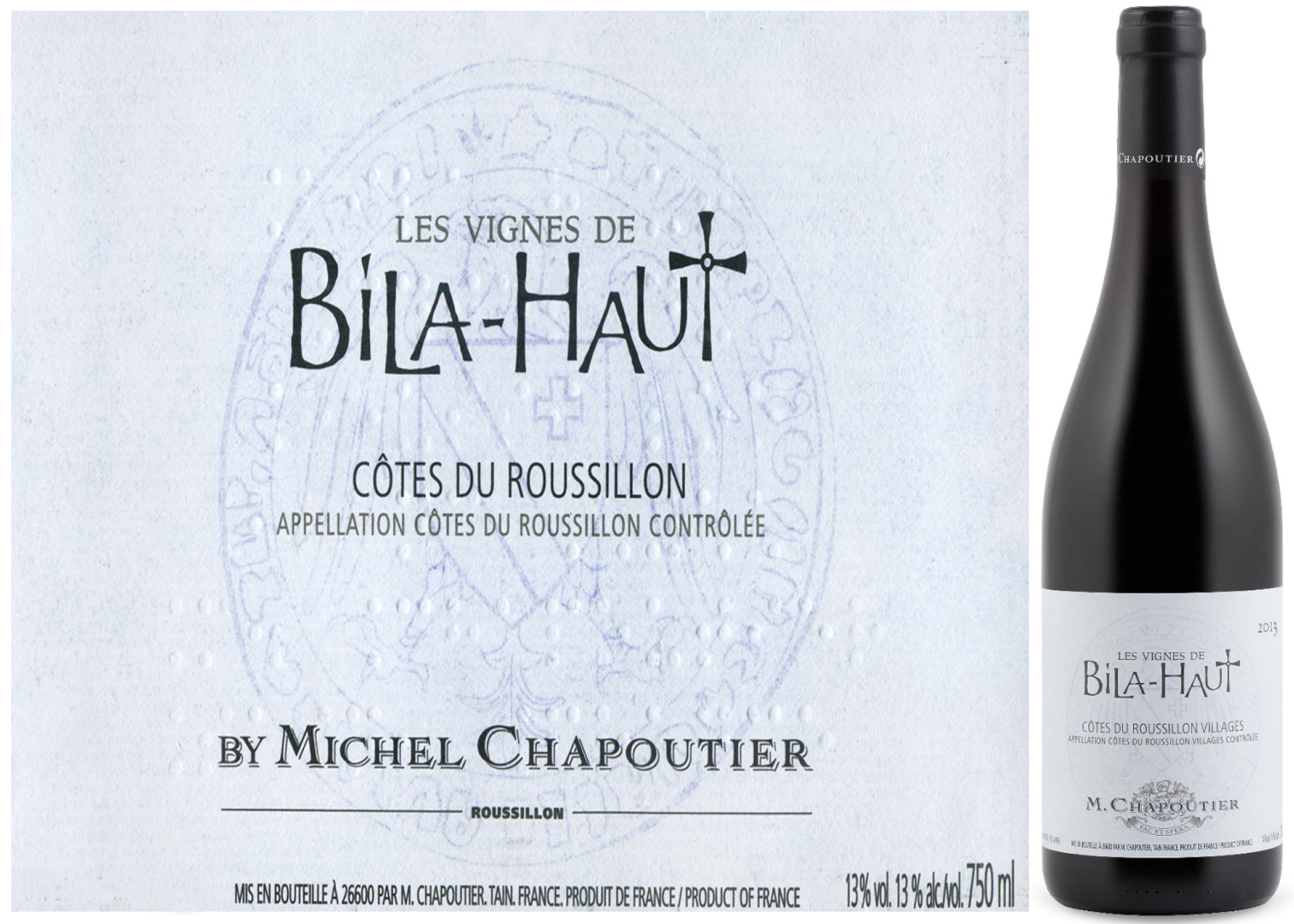
Bila Haut

LES VIGNES BILA-HAUT CÔTES DU ROUSSILLON-VILLAGES 2013
VINTAGES – LCBO Product #168716 | 750 mL bottle
Price $ 15.95
13.0% Alcohol/Vol.
Sugar Content Descriptor: D

Made in: Midi, France
By: Maison M. Chapoutier
Release Date: Apr. 18, 2015

Tasting Note
Deep garnet red with dark berry flavours, hint of chocolate and coffee notes,
this is a pleasingly uncomplicated, rustic wine that could stand to be chilled
slightly when served during summer months. Try with lamb chops, ratatouille,
stews or lentils with sausage.

Cab Sauvignon Alert

Founded in the 1870’s, Bodegas Torres has over the course of 140 years or
so, been the major driving force in putting Spain’s now famous Penedès region
on the international wine-making map. Numerous impediments along the way,
including the partial destruction of the winery during the civil war (1936-39),
have inspired and motivated the evolution of this vintner’s practices away from
simply being a bulk wine supplier, to graduating and thriving in the status as a
renowned bottler of vintage offerings in 50 different styles – though many of
these are only produced in appropriately successful harvest years.

The Torres Family has been based in the town of Vilafranca del Penedès since
its inception as a company and has progressively expanded its holdings to over
1,700 hectares of vineyards at 3 levels of successively higher elevation: coastal
central and high. The harvested fruit is vinified, then allowed to slowly mature in
more than 2O, OOO barrels, stored in stacks along an impressive 2 kilometers
of underground galleries.

Wine has been cultivated on the Mediterranean shores of the Iberian Peninsula
since the Phoenician period, though for this week’s Reserva grade red, we have
Miguel A. Torres to thank for the vision of introducing Cabernet Sauvignon to
Penedès during the 1960’s and 70’s; prior to which only local, obscure white
wine varieties were the norm. Along with promotion of the French ‘Emperor of
red varieties’, additional innovation came in the choice of also using indigenous
Tempranillo grapes as a blending partner, best known in Catalonian vineyards
southwest of Barcelona as Ull de Llebre (hare’s eye).

A perennial listing in the LCBO’s Vintages Essentials catalogue, this remarkable
value is available year-round, though for the next several weeks – it’s sale-priced.
It’s an opportune time to reevaluate the quality of Spanish wine and this bottle
would be the ideal starting point!

Gran Coronas

TORRES GRAN CORONAS CABERNET SAUVIGNON RESERVA (V)
VINTAGES – LCBO Product #36483 | 750 mL bottle
13.5% Alcohol/Vol.
Sugar Content Descriptor: D
Limited Time Offer
Was: $ 19.95
Now: $ 17.95
Until Mar. 29, 2015

Made in: Penedès, Spain
By: Miguel Torres S.A.
Release Date: Mar. 7, 2015

Tasting Note
With a deep red hue, this dense and silky-rich red imparts aroma and flavours
of cherry, plum, red current and characteristic coffee, vanilla bean and leather
notes – that tend to develop with a slightly extended period of barrel ageing. It’s
perfect with charcuterie, cheeses, pasta with lemon cream sauce, vegetarian
paella, as well as, filet mignon or grilled lamb.

Cab Sauvignon Alert

The Colchagua is the southernmost sub-region of the verdant Rapel Valley and
apart from its contemporary agricultural reputation for premier wine making,
it’s also the home of the skilled and hardworking horseman known as ‘huaso’.
Having a prideful place in Chilean, folkloric culture, they have gradually over time
diversified away from cattle farming. Their historic range is bookended to the
east by the Andes Mountains, whose majestic, sheltering proximity helps shape
agricultural conditions highly conducive to grapevine cultivation. The mineral-rich
meltwaters flowing downslope, feed the entire Tinguiririca River basin that runs
its course westward and ultimately spills into the Pacific. As with many of these
valleys here in central Chile, the other significant factor of climate for the terroir
is the nearby, tempering influence of the ocean that results in a relatively mild,
almost Mediterranean-like conditions.

Not surprisingly, this translates into the flourishing of many big, high quality red
wine grapes typically cultivated in France such as Syrah, Malbec, Merlot and as
in the case of this week’s DéClassé recommended bottle: Cabernet Sauvignon.
The blend formula is also fairly typical with Cabernet (85%) making up the bulk,
helped by some small dashes of Syrah and Malbec to round out the recipe by
infusing some added body, colour and mineral content.

Viña Koyle already has 6 generations of wine making under its belt, having been
founded in 1885 by Francisco Undurraga Vicuña. The modern iteration includes
over 1,000 hectares of vineyard that encompasses several properties, with the
Los Lingues estate providing the fruit for this particular Gran Reserva bottling.
The other estate at Alto Colchagua provides the vintner with the inspiration for
the wineries name: Koyle being an endangered, indigenous Chilean flower that
nonetheless still thrives around the fringes of the fields and forests here.

This easy drinking red has benefitted from 12 months spent in French Oak to
promote the development of supple tannins and while it is ready to go now, the
still young wine is helped to blossom by decanting for a half hour before serving.
This may not be the most distinctive Cab blend you’ll ever have, but it is certainly
substantial, well-crafted and very satisfying wine at an attractive price-point.

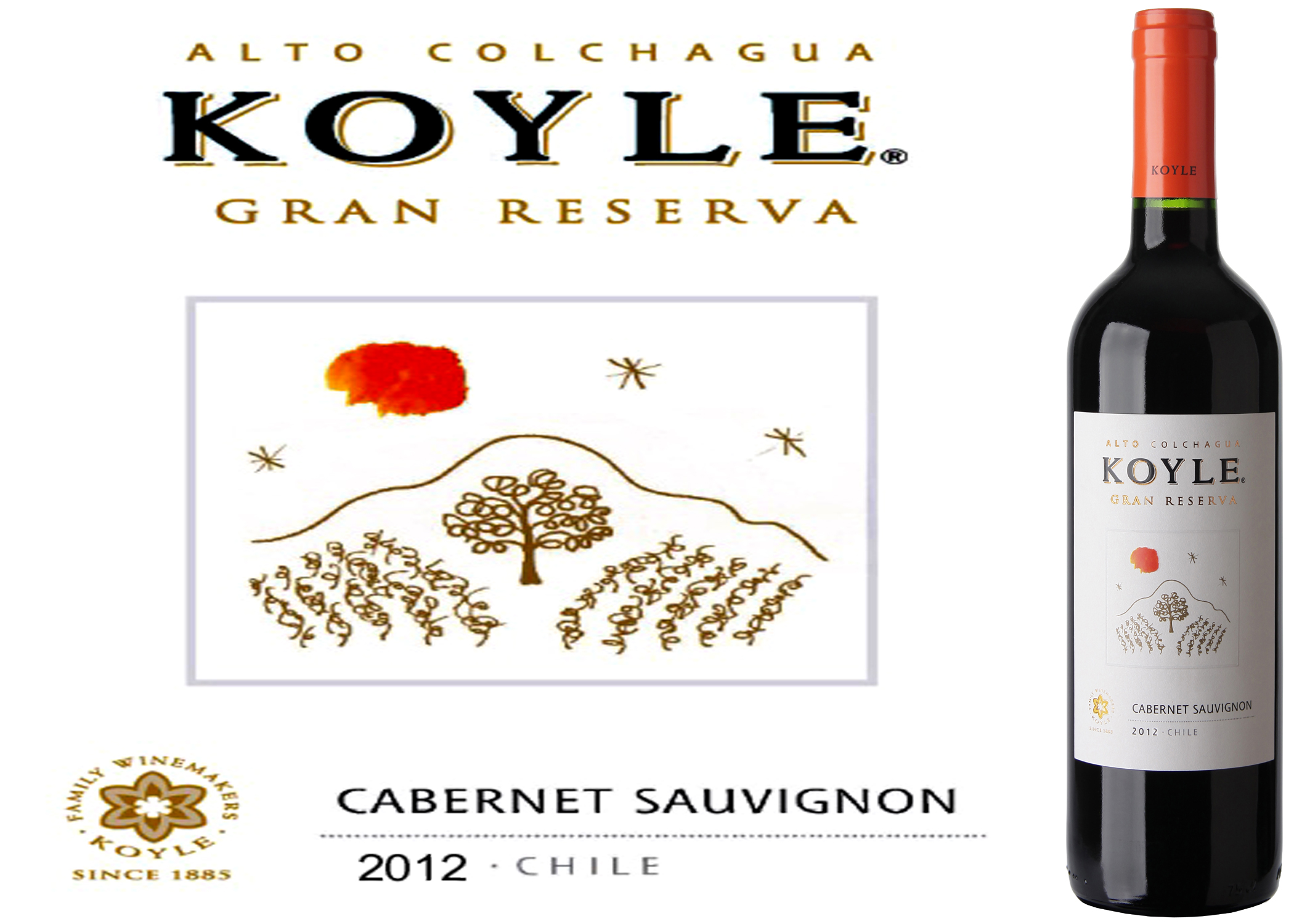
Koyle Gran Reserva

KOYLE GRAN RESERVA CABERNET SAUVIGNON 2012
VINTAGES – LCBO Product #256073 | 750 mL bottle
Price $ 17.95
14% Alcohol/Vol.
Sugar Content Descriptor: XD

Made in: Colchagua Valley, Chile
By: Vina Koyle S.A
Release Date: Feb. 21, 2015

Tasting Note
As is expected from a Cabernet driven blend, this has berry laden aromas and
flavour with some pleasant wood and spice notes. Works well as an apéritif, as
well as, complimenting steaks, stews, roast duck and other meat dishes finished
with either mushroom or peppercorn sauces.

Chianti Alert

The root of this week’s featured wine style: Chianti Classico is the term Chianti
itself. Some evidence suggests it derives from ‘clante’: the name of a person of
Etruscan origin; some believe it’s loosely associated to ‘clango’, a verb in Latin
that reproduces the sound of hunting horns and their announcement of hunting
season in the Tuscany territory. Moreover, the qualifying ‘Classico’ demarks the
territorial boundary beginning at the outskirts of Siena and reaching almost to
Florence. Wines from this official DOCG are often designated with a little Black
Rooster on the neck of the bottle: a distinctive emblem that signals membership
in the Consorzio Vino Chianti Classico – the local consortium that’s charged with
setting standards for the composition and best practices of the region’s output.

A so-called Vino Nobile (king of wines), Chianti is primarily made with Sangiovese,
though this bottling’s blend includes a 5% splash of Merlot, which hints at some
of the changes that have gradually taken hold both in the vineyard and wineries
of Tuscany. Notably, this includes the judicious adoption of a few French grapes
as replacement of less-interesting indigenous varieties and an embrace of more
stringent pruning and post-harvest selection practices. However, indisputably,
Sangiovese does remain the most widely planted, red-berried vine in all of Italy.
High in acid content and showing firm tannins, this slow ripening variety benefits
from a long growing season and relatively, delayed harvest. After fermentation,
in the hands of many producers, maturation takes place partly in oak casks and
partly in Tonneaux: a 900 litre, wood barrel popular in the Middle Ages that was
eventually made into the smaller ¼ size version that is today’s standard.

The Rocca Delle Macie winery was founded by the late Italo Zingarelli, who was
for a time, a successful film producer best known for his very popular spaghetti
westerns in the early 1970’s. Having developed and then passing on the estate
to his son Sergio and daughter in-law Daniela, he leaves behind what is perhaps
an even-more enduring legacy. Hard fought for and won, the painstaking work of
renovation and replanting on the14th-century farmstead nearby to the village of
Castellina, has evolved into the property and winery becoming one of Tuscany’s
most reliable producers of higher quality Chianti.

As with many wines, context is all-important toward fully appreciating what each
has to offer, uniquely. Chianti is decidedly a food wine and will be less satisfying
as an apéritif. So cook up a big meal, open the bottle in advance and as you’re
enjoying all, imagine: oak, pine and chestnut forests, olive groves, vineyards lined
with rows of cypresses and the distinctive Terra Cotta roofs of the farmhouses
punctuating steep hills in this charming landscape, producing charming wines.

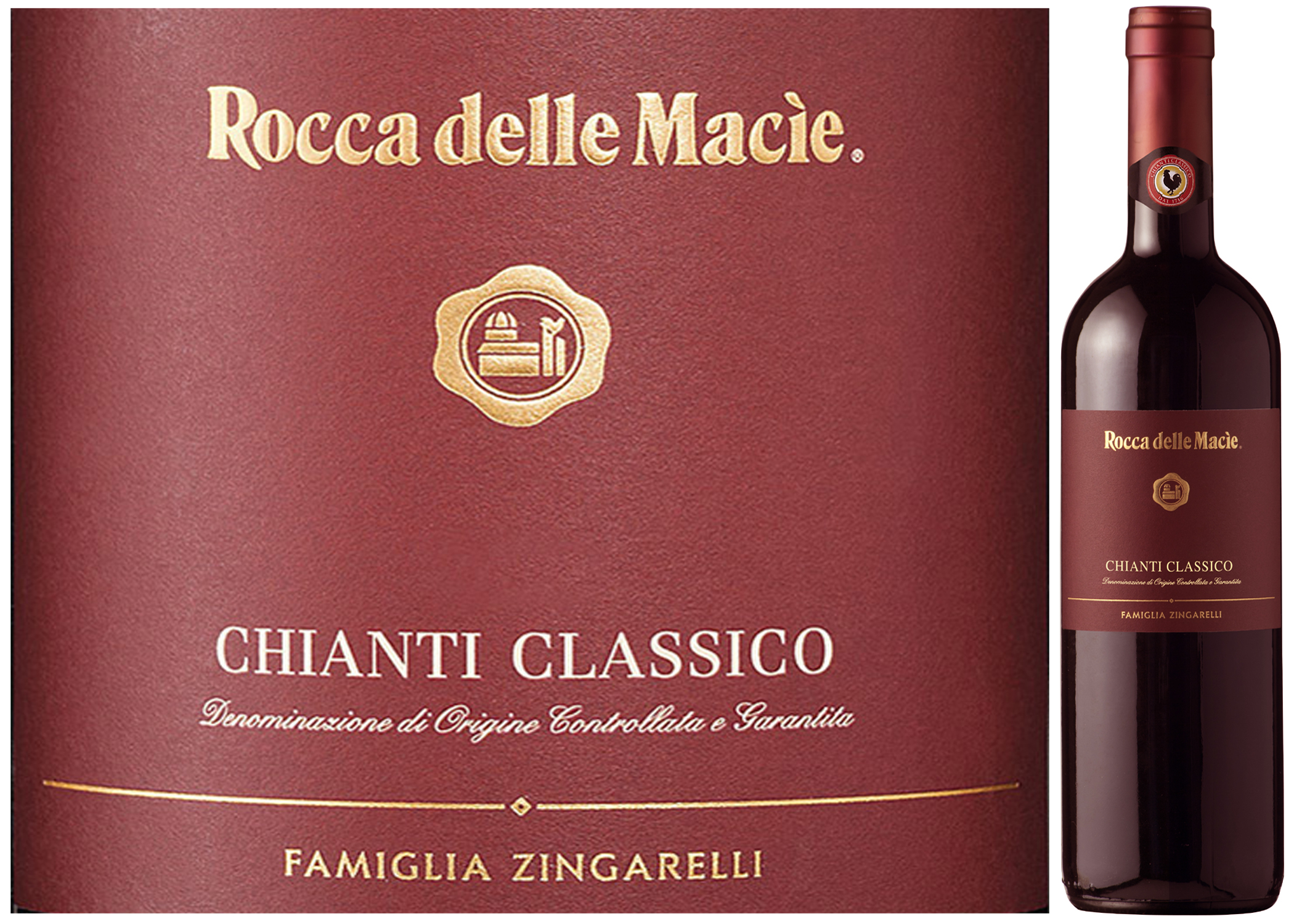
Rocca Delle Macie

ROCCA DELLE MACIE CHIANTI CLASSICO 2011
VINTAGES – LCBO Product #741769 | 750 mL bottle
Price $ 16.95
Sale-priced until Mar. 1, 2015
Reg. $18.95
13% Alcohol/Vol.
Sugar Content Descriptor: XD

Made in: Tuscany, Italy
By: Rocca Delle Macie S.P.A.
Release Date: Feb. 21, 2015

Tasting Note
This a savory, lively wine with flavours of dark cherries and stone fruit accented
with some typical notes of dried herbs. Try serving with heartier food fare such
as roast veal, pork, mushroom or squash risotto and pasta Bolognese.

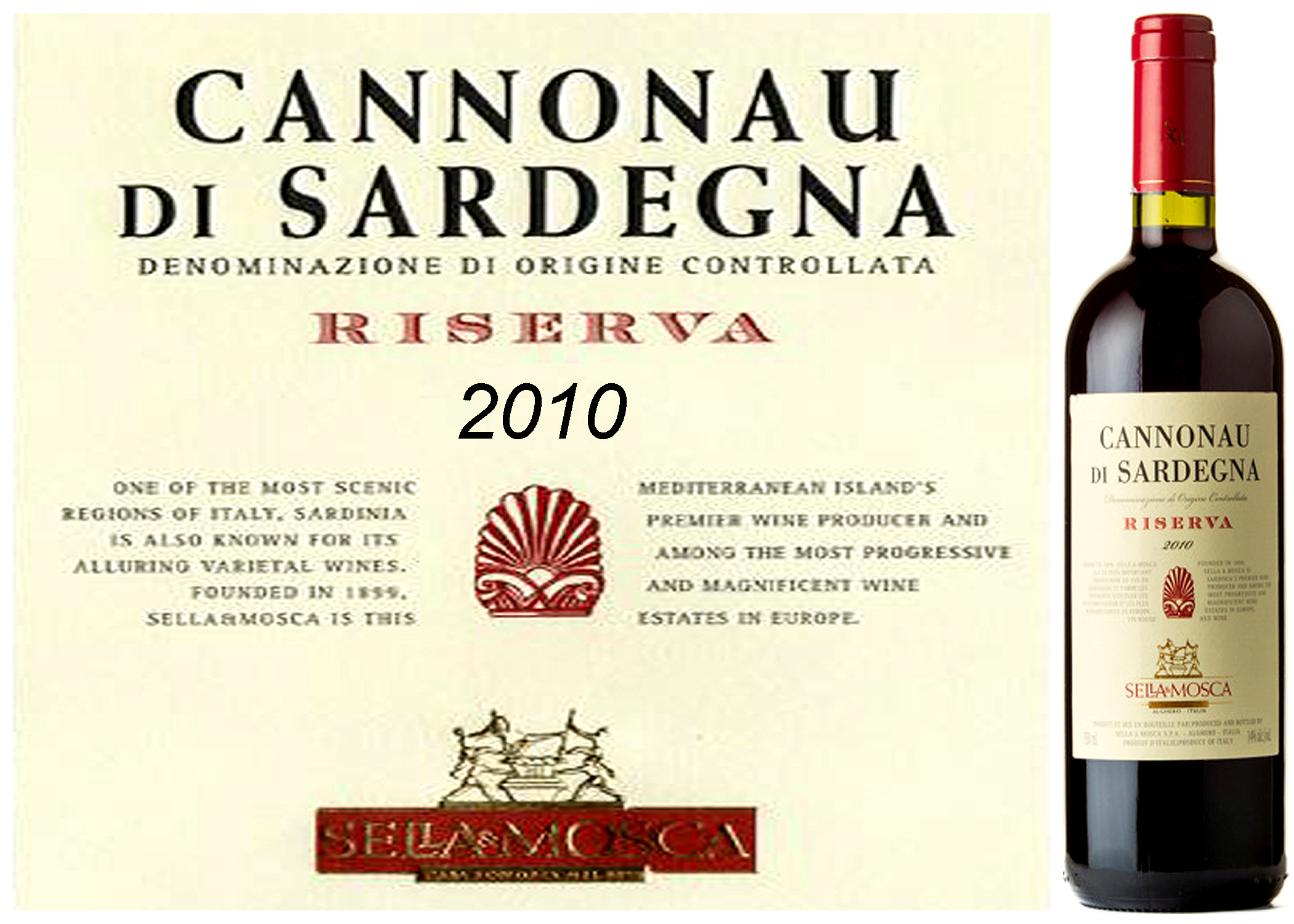
Cannonau Alert

Founded in 1899 by two intrepid travelling immigrants who originally hailed from
Piedmont in the north-western corner of the Italian mainland, Eriminio Sella and
Edgardo Mosca provide the namesake for the century old Sella & Mosca winery.
The wine loving pair eventually arrived on the shores of Sardinia, second largest
island in the Mediterranean and quickly set to work establishing what has now
become one of the largest vineyard estates in Europe. The sprawling landscape
of 1,200 acres, just inland from the historic port city of Alghero, is purposefully
punctuated by extensive plantings of Oleander, Maritime Pine, Eucalyptus shrub
and Palms in order to maintain the property’s admirable level of bio-diversity.

For this week’s DéClassé recommended bottling of Cannonau dI Sardegna,
the grape is Cannonau, better known elsewhere as Grenache, Garnacha or
Garnaxa. Traceable to the very early Middle Ages, Sardinians proudly claim that
this popular variety is indigenous to the island and was then proliferated about
the Mediterranean basin during the rule of the Kings of Aragon. Now among the
the most widely planted grapes in both the old and new wine growing world, this
version does have a distinct character due to the Sardinian terroir that includes
a unique combination of a warm climate with coastal clay and sand soils. Here,
vines are cultivated in a novel bush style rather than along the more traditional
trellis method, which with the benefit of the Grecale wind, tempers the growing
conditions and helps to minimize damage by insects and other biological pests
such as the Botrytis mold.

This Reserva-grade offering from 2010 has been aged for 2 years in very large
Slavonian Oak barrels. Renowned and much sought after for their tight-grained
characteristic, these vessels impart a more subtle accent of wood to the flavour
profile of a wine that’s best served alongside hearty foods. As an LCBO Vintages
‘Essentials’ listing, it’s on shelves year-long at consistent stock levels – so, should
it become one of your go-to favourites, it will be readily available.

Connau di Sardegna

CANNONAU DI SARDEGNA (V) RISERVA
VINTAGES – LCBO Product #425488 | 750 mL bottle
Price $ 17.95
13.5% Alcohol/Vol.
Sugar Content Descriptor: XD

Made in: Sardinia, Italy
By: Sella & Mosca
Release Date: Dec. 1, 2014

Tasting Note
This is a fairly traditional, Ruby coloured, medium-bodied wine with a good
complexity of red berry, fruit-forward flavours that will nicely compliment
red meat dishes, pork ribs, game of all sorts, pâté and strong cheeses.

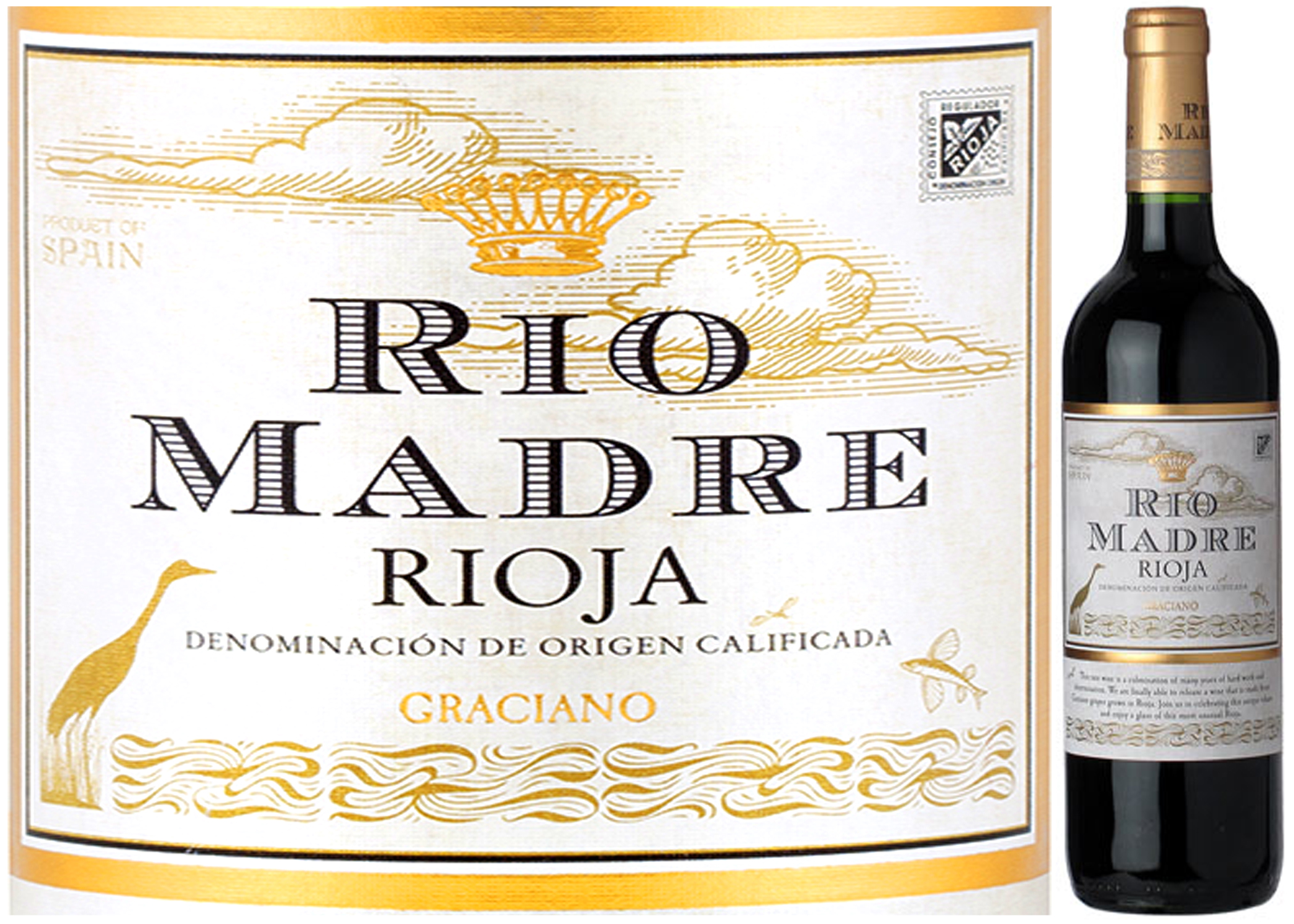
Graciano Alert

Bodegas y Viñedos Ilurce, representing 4 generations of diligent labour, is
a family company originally founded by Grandfather Amador Escudero in 1940
shortly after the Spanish Civil War ended. Their property in the Baja district, one
of 3 sub-regions of La Rioja that also includes Alta and Alavesa, has significant
plantings of old vine Graciano grapes on their 60 hectares of chalky, alluvial soil
– with most of these mature vineyards now averaging at least 40 years of age.

More typically, this highly regarded region’s wines are built around Tempranillo,
with Garnacha, Graciano and Mazuelo(Carignan) varieties incorporated in small
quantities as blending components, adding aroma, body or flavour depth. Now,
under the nervy and innovative guidance of younger Spanish vintners, Graciano
is experiencing a renaissance as an excellent varietal wine on its own, despite
its commercial liabilities of being notoriously low-yielding and mildew susceptible.

The wine trade in the La Rioja region is both storied and in a state of transition.
Apparently, the earliest mention of viticulture is preserved in a document known
as ‘Carta de población de Longares’ (Letter to the settlers of Longares) dating
to 1063 with the first legal recognition of Rioja wine bestowed in 1102 by the
King of Navarra and Aragon. In terms of its relative quality and practices, local
wine merchants have a long history of establishing Bodegas to market wines
made from intermixed fruit supplied by approx. 20,000 growers, in turn drawn
from the harvests throughout all 3 sub-regions. More recently, to better typify
its wine styles and output, Bodegas are becoming more discerning and are now
beginning to source grapes from only single zones in these allowable regions.

This week’s DéClassé recommended bottle is consistent with the latter practice
and results in an over-achieving table wine that defines exceptional value. Also,
having spent about 11 months in French Oak, it has sufficient structure to age
well in the cellar for at least another 2 – 5yrs. – meaning you won’t have to rush
through the second or third bottle that you bought after drinking the first.

Rio Madre

RIO MADRE RIOJA 2013
VINTAGES – Product #354753 | 750 mL bottle
Price $ 14.95
14.5% Alcohol/Vol.
Sugar Content Descriptor: XD

Made in: Rioja, Spain
By: Bodegas Y Vinedos Ilurce
Release Date: Jan 10, 2015

Tasting Note
Dark fruits lend notes of black cherry, blackberry, pomegranate and a pleasant
touch of licorice. Try serving this medium-bodied and slightly spicy wine with beef
tenderloin, steak frites, chorizo and lentil stew or with strong cheeses.