Unknown's avatar

About Stephan Droege

With a specific focus on characterful and overachieving wine in the $15 to $18 price-point range, DéClassé aims to expand the readers' taste and curiosity about a diversity of wine styles--while exploring the winemakers in a cultural and historical context. Thank you for visiting the site!

Western Cape Rosé

Both a designated coastal wine region and historical center, the dynamic town of Stellenbosch lies 50km inland of Cape Town in South Africa’s Western Cape. Three centuries on in time and toil; from the first planting of grapevine in 1690 by Dutch and Huguenot settlers — an under-developed plot of land that local farmers had dismissed as vuilplasie (‘dirty little farm’) was gradually converted to vineyard. Launching with a fledgling vintage of white wine in 1992, the ever-evolving Mulderbosch winery has seen a number of development phases, both in its properties and its wine crafting talent. Star vintner Mike Dubrovnic led the enterprise through a period of expanded profile, and now under Adam Mason’s creative winemaking guidance it continues to contribute to South
Africa’s revival as a reliable source of very affordable, terroir-distinctive wine.

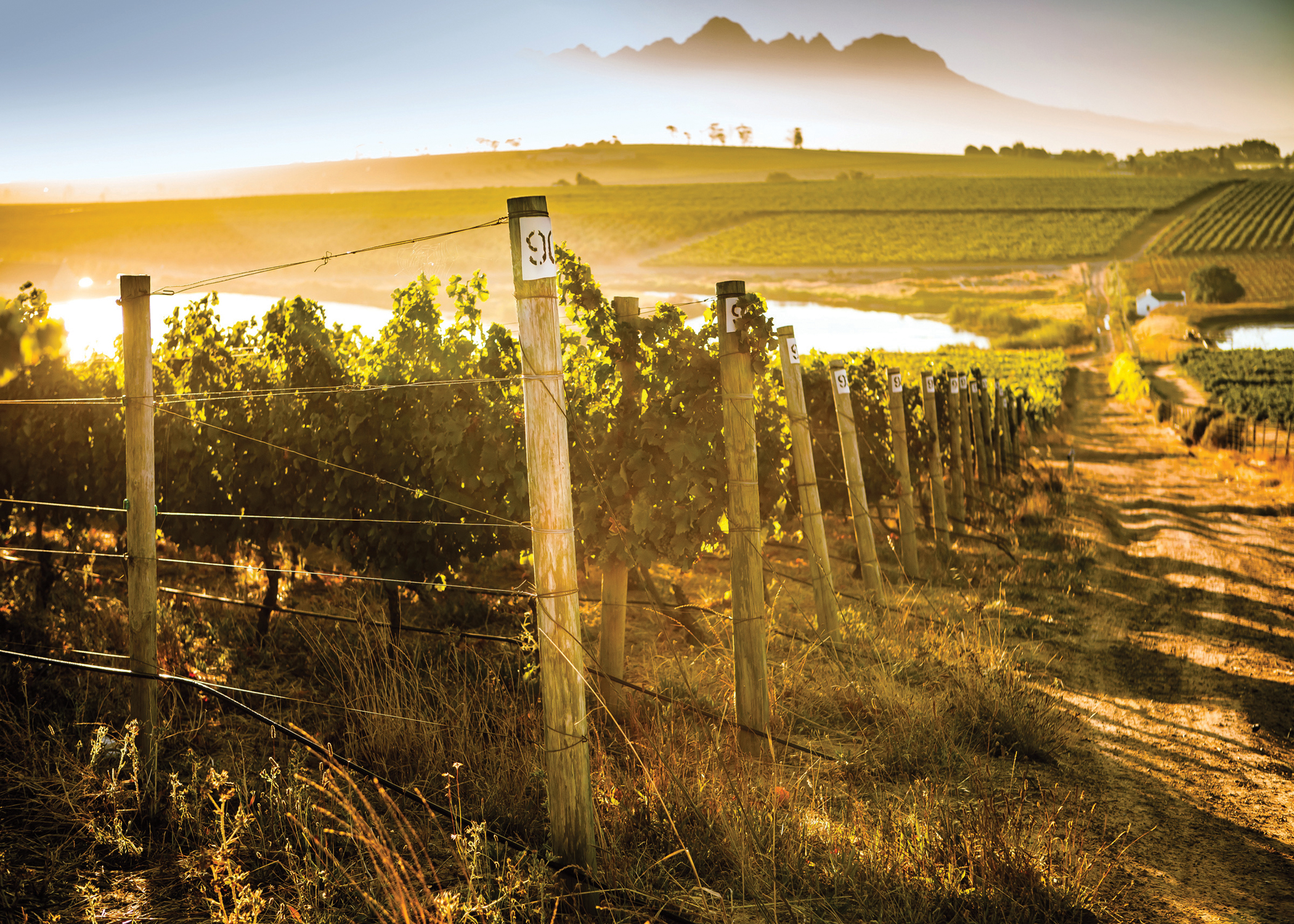
This week’s DéClassé featured varietal Rosé is made from the so-called Don of red wine grapes, Cabernet Sauvignon. With distinctively compact blackberries and a thick-skin, Mulderbosch harvests these somewhat earlier than if it were destined to be finished as a full red wine. This particular practice of fashioning Rosé yields naturally higher levels of acidity, minerality, and brightness to the bottled aromas of the fruit. Exploiting a local geographic advantage, their vines are planted in well-drained valley terrain below the Cape Fold mountain range, where the surrounding hills funnel cooling breezes into the vineyard; helping attenuate the sometimes grape-wilting heat of South African summers.
mulderbosch-vineyard

This impressive 78-hectare farm has come a long way in a quarter century. Along with attaining critical and commercial success, the eco-friendly farming strategies that they’re employing qualify it as Certified Sustainable. Moreover, sections of the property have been dedicated to conservancy; including rehabilitation of wetlands; better ensuring that the biodiversity of indigenous vegetation and wildlife will continue to thrive.

Local rumor has it that, once upon a time, only Mozart was played in the cellar during the cool fermentation processing of the grapes; perhaps imparting some layered finesse and playful sophistication into the developing wine! True or not, a great deal of investment by the vintner has been directed into this attractively priced, and unique bottling – that should translate into you picking up at least 3!
Mulderbosch

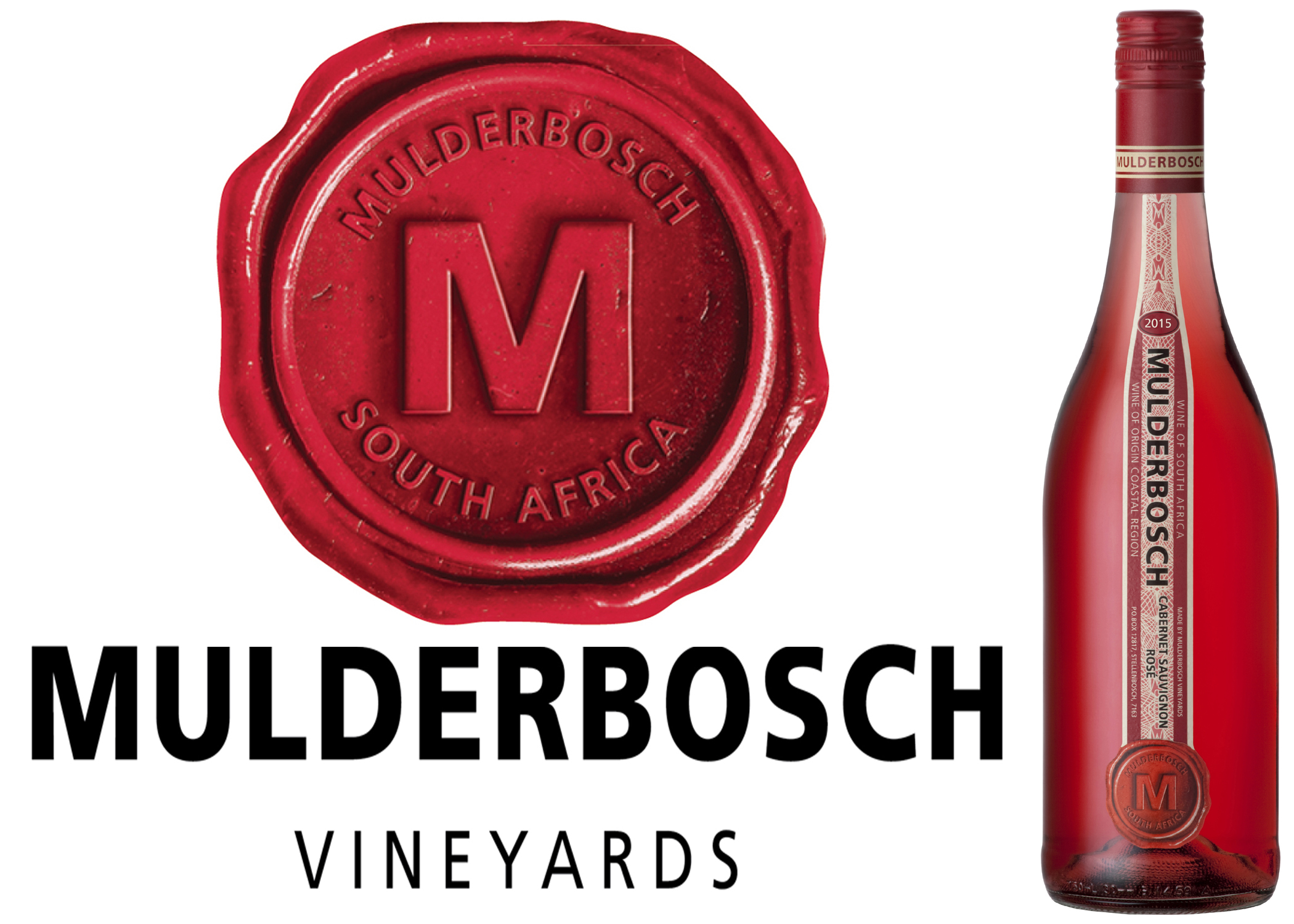
MULDERBOSCH CABERNET SAUVIGNON ROSÉ 2015
VINTAGES – LCBO Product #999821 | 750 mL bottle
Price $ 12.95
13.5% Alcohol/Vol.
Sugar Content Descriptor: D

Made in South Africa
By: Mulderbosch
Release Date: May 11, 2016

Tasting Note
This is a dry, medium-bodied Rosé that’s full of delightful lip-smacking acidity. With cherry, ripe strawberry and pomegranate flavours, serve this well-chilled to preserve its crispness. Substantial on its own as an apéritif or along with summer citrus-laced salads, Thai spring rolls, sushi or asparagus Quiche.

Maipo Cab Sauvignon

Having begun with the planting of European Vitis Vinifera vines by 16th-century Spanish conquistadors and missionaries, Chile’s 500-year history of fashioning wine coupled with the recent development of new growing regions continues to amaze and impress. For a period as of the mid-1800’s, the aim was to simply produce inexpensive bulk wine; to serve local markets and consumption. This is equally true of most so-called old world regions in Europe during the same time; right up until the mid-20th century. Since then, though, Chile has accomplished far more than keep pace with the evolution of highly competitive, premium wine production and export; rather, its diligent vintners have forged a leadership role, globally. They’ve truly become world-class winemakers!

montgras-vineyard

Revealingly expressed in the often difficult history of the indigenous Mapuche (‘Earth People’), is a reputation for personal courage, strong communal identity and a fierce and unconquerable spirit. The essence of these attributes carries forward, as modern Chilean vintners innovatively exploit challenging geography for agricultural cultivation, while demonstrating studied concern and care for its sustainability. Framed between an endless, snaking Pacific coastline to the west and the folded slopes of Andean peaks to the east, the new regional designation, Entre Cordilleras (‘between mountains’) is a group of inland valleys that includes the well-known Colchagua and the long-established Maipo, lying south of the capital Santiago. Excelling at Malbec, Carménère, and Syrah, the larger region has also had success with classic French reds, Cab Franc, Merlot and Cabernet Sauvignon wines — justifying the reference, ‘South America’s Bordeaux’.

This week’s DéClassé feature of Montgras Antu Cabernet Sauvignon 2013 is one of the Viña MontGras sub-brands for wines that head winemaker Santiago Margozzini describes as ‘exploratory’. Both light-hearted and serious, the term signals that Chilean vintners continue to play with and refine local cultivars of grapes that were imported at various points in the 19th century. Well-suited to the terroirs of their new home, and guided by local expertise, these should now be thought of as uniquely Chilean — and so it is. This bottling is ready to be uncorked, though you might challenge yourself to put more aside for another year or so – after having tried one; outdoors at an upscale BBQ.

boc ANTU 2014en bot

MONTGRAS ANTU CABERNET SAUVIGNON 2013
VINTAGES – LCBO Product #444703 | 750 mL bottle
Price $ 17.95
14.5% Alcohol/Vol.
Sugar Content Descriptor: XD

Made in Maipo Valley, Chile
By: Viña Montgras
Release Date: May 28, 2016

Tasting Note
Offering up loads of dark berry and cherry aromas and flavour, this deeply Ruby red wine also has some pleasing pepper and toasty oak notes well-integrated into a soft and creamy texture. Try this as a compliment to grilled food fare of all sorts: vegetable and meats; with a generous helping of Chilean cilantro salsa.

Puglia Primitivo

In an age that’s termed Magna Graecia, enterprising Greeks crossed the western seas and established a ring of thriving colonies around the perimeter of this distinctive land spit; in modern times it would whimsically become known as Stiletto (‘heel of the boot’). Jutting down from mainland Italy, the peninsula portion of Puglia (aka Apulia: ‘those who live on the other side of the Adriatic‘) divides the Gulf of Taranto and the Otranto Strait. For thousands of years in antiquity through to the middle ages, this strategic maritime crossroad was a target for conquest by successive civilizations. As a cumulative result, 800km of coast and the parallel line of inland mountains frame a hybrid culture; unique in the broad diversity of regional Italian identities. Though the early colonizers seem to have been warlike Spartans, by the 5th century BCE it was philosophy that was the focus in Greco-Italian centers such as the city of Elea (now Velia). This was home to the visionary thinker and mentor, Parmenides, credited with laying an influential foundation for Aristotle, Plato, and Socrates. Unsurprisingly, the long-hidden wealth of clay Amphorae unearthed from recent archeological excavations also reveals that grape cultivation, winemaking, and its significant seaborne export were all well underway!

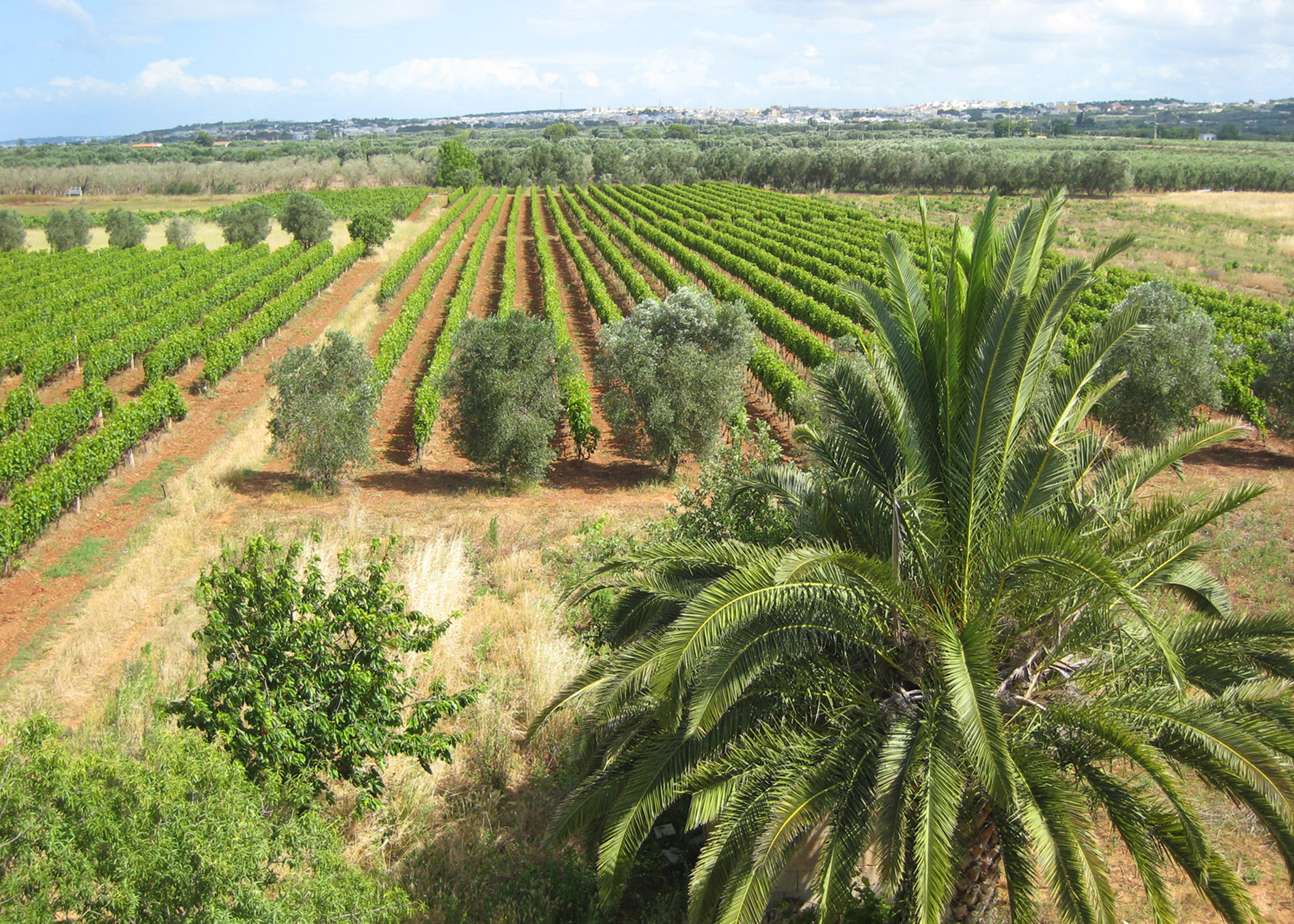
With fertile, reddish-brown soils, Puglia’s flat plains and valleys host an abundance of wild roses, berries, and proverbial rosemary and thyme; thriving among stands of maritime pine. As for the mix of agriculture in the landscape, widespread grain farming, and groves of ulivi secolari (centuries-old olive trees) yields an impressive 50% of Italy’s total pasta and olive oil production. Artichoke plum tomato, sheep herding, fish and seafood, and of course grapevines, round out the bountiful output from the region.

boaretti-vineyards

Curiously, in spite of being so prolific, Puglia remains one of the less-well-known Italian regions. In its middle and southern provinces, the hot and dry climate is perfect for cultivating fulsome grapes such as Negroamaro, Malvasia Nera and Primitivo. With a name derived from several Latin terms loosely translating as ‘the first to ripen,’ Primitivo has traditionally been a reliable blending component. More recently, the variety has gained increased profile as a stand-alone varietal wine, due in part to the burgeoning popularity of Zinfandel; a clonal relative that flourishes in Californian vineyards and North American marketplaces. Local lore suggests that this Italian variant of a Croatian parent grape was discovered by a 17th-century monk, Filippo Francesco Indellicati, as a wild vine growing in his monastery gardens. Over time, the adapted cultivars of Primitivo were spread throughout Puglia; including its southernmost province of Lecce.

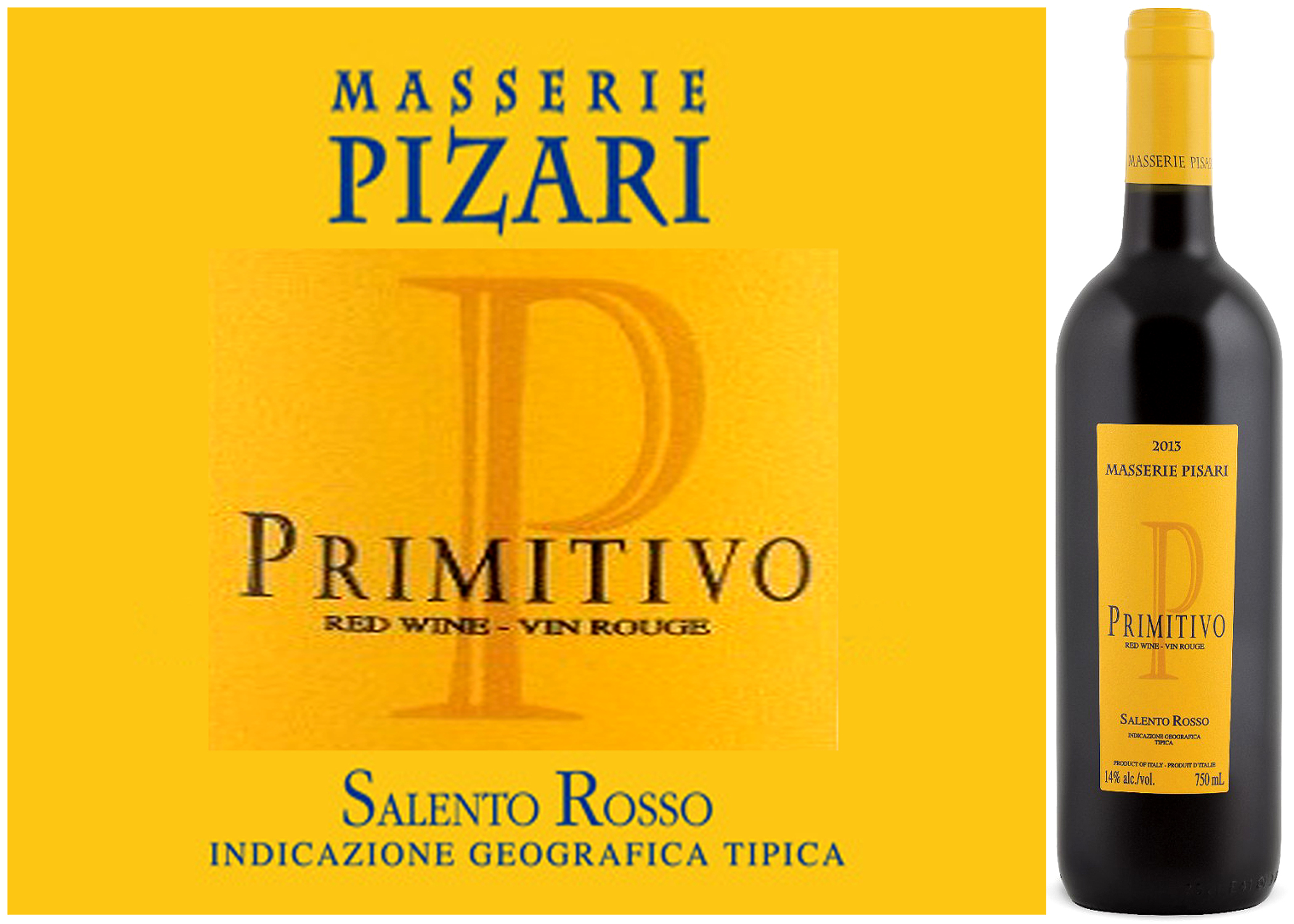
Home to this week’s DéClassé feature, the village vineyards of Ugento lie on the Murge Plateau, whose outskirts end abruptly as cliffs overhanging the Ionian Sea. The 10 hectares of Masserie Pisari were initially dedicated to bulk wine production; exclusively for local sale. In 2005 the winery was restructured with a focus on producing a higher quality of wines that would be more attractive to the international market, and so it is. If this pleasing, plush and rounded bottling of Masserie Pisari Primitivo 2013 is a representative offering, then in moving forward, the future looks even brighter in this sun-drenched corner of Italy. At a very modest price-point, you should be delighted with its structure and layered complexity. It’s ready now or over the next 3 – 4 years; buy half a case as it will be hard to hold onto in your cellar for very long!

Masserie Pisari

MASSERIE PISARI PRIMITIVO 2013
VINTAGES – LCBO Product # 270306 | 750 mL bottle
Price $ 13.95
14.5% Alcohol/Vol.
Sugar Content Descriptor: D

Made in Puglia, Italy
By: F.lli Boaretti
Release Date: May 28, 2016

Tasting Note
Rich and ripe, this dark Ruby coloured red has brambly berry and plum flavours and spicy accents typical of Primitivo. Try serving with summer antipasti plates of cheese, cured meat, and sun-dried tomato, or alongside a zesty mixed pepper lasagna and an arugula/radicchio salad topped with slivered Pecorino Romano.

Languedoc Syrah/Grenache

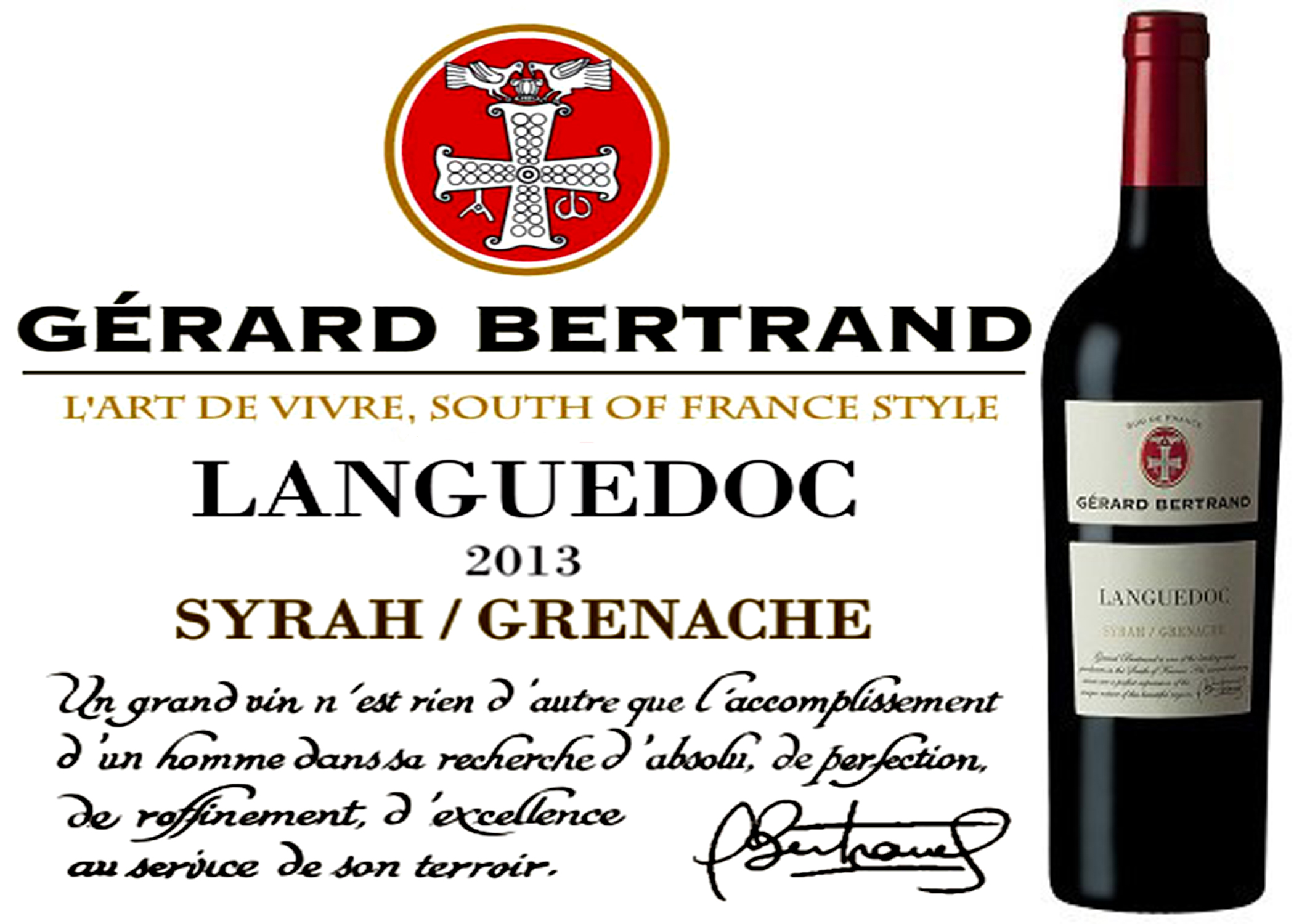
Distinctively marking the labels of this terroir-specific wine line is a dramatic four armed Visigoth symbol dating to the 7th century. Later known as the Languedoc Cross or Cross of the Cathars, the four elements and twelve points of the zodiac represent the perpetual rhythms of time and nature. This vintner’s apt emblem also includes two doves drinking from a single cup–expressing both sharing and communion. Begun by Georges Bertrand, a winemaking pioneer in the Languedoc region who diligently built a spirit of cooperation among local growers in the 1970’s, this benchmark winery has consistently been at the forefront of quality development for an impressive range of regional wine styles. The multi-generational philosophy is being carried forward by the founder’s son, Gérard Bertrand, with an expanding portfolio of 10 estates, 550 hectares of vineyard and primary production facilities based in the city of Narbonne, the onetime capital of a prosperous Roman coastal province called Gallia Narbonensis.

languedoc-wine-region-1852

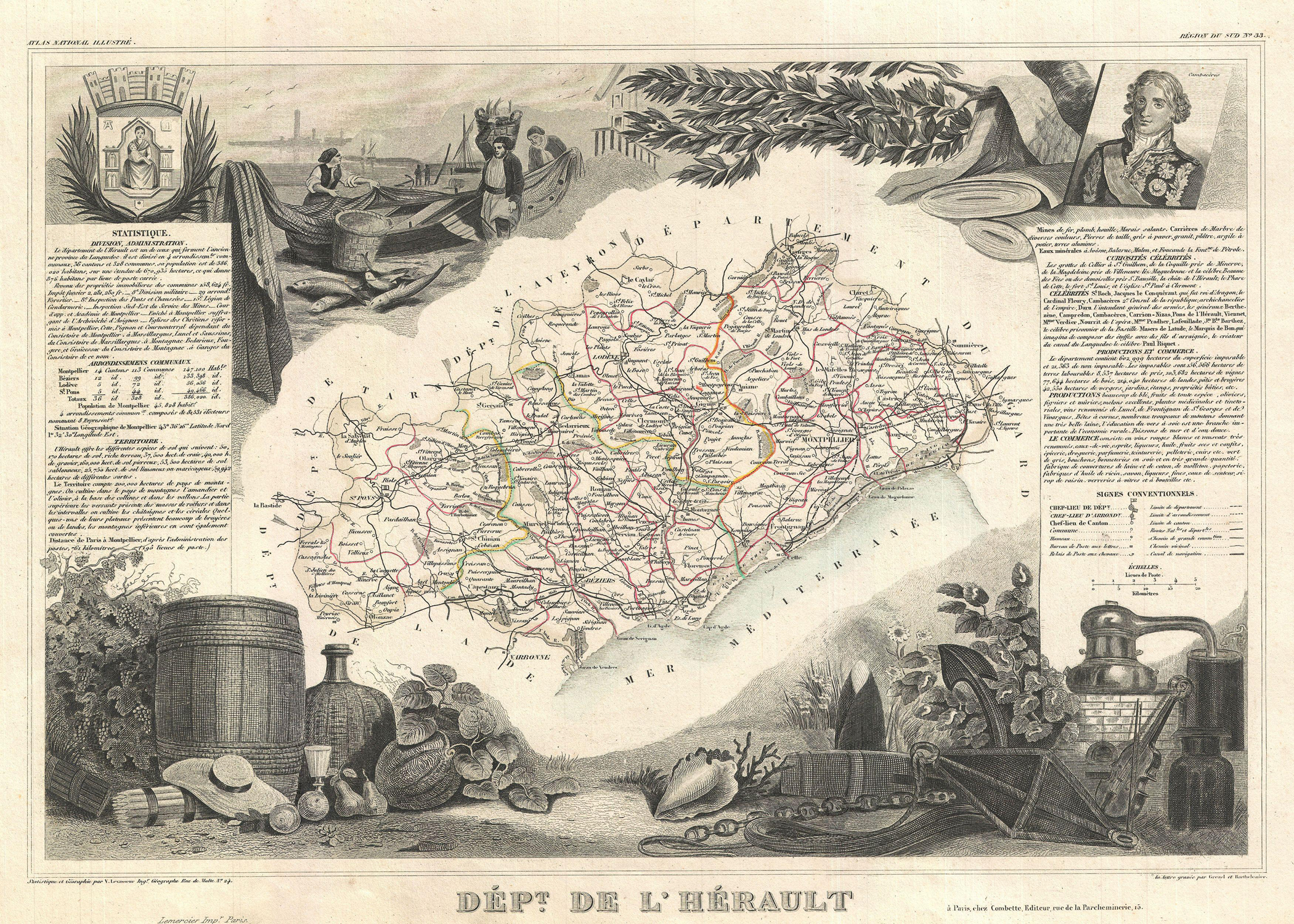
One of the world’s largest wine growing regions, Languedoc is a Mediterranean landscape of windswept scrubland with a geology of greyish-white, calcium-rich limestone. The eroded soils of this ancient seabed make for a fertile base where wild lavender, thyme, and undulating rows of gnarled Syrah and Grenache grapevine now thrive. As with the land’s nature, the AOC wine-producing regulations of this free-spirited region are somewhat less stringent than the neighbouring Burgundy or Bordeaux appellations to the north; allowing for the cultivation of a broad range of vine varieties and blending proportions; with these two starring grapes providing the backbone. In the hot climate of southern France, Syrah tends to ripen ahead of its blend partner so gets vatted in whole bunches first, while harvesting of the Grenache catches up later on. Once combined, they’re transferred to large 225-litre Bordeaux oak barrels to age for at least ten months. For this DéClassé recommended, Languedoc Syrah/Grenache 2013, it’s also rested in bottle for over a year.

Though you will find many offerings from this prolific vintner on the regular shelves of the LCBO, note that this particular release is only stocked in the Vintages section, in a limited volume that historically sells out quickly. With warmer days ahead, dare to try this ripe, fulsome, fruit-forward red slightly chilled!

Gerard Bertrand

GÉRARD BERTRAND LANGUEDOC SYRAH/GRENACHE 2013
VINTAGES – LCBO Product #413237 | 750 mL bottle
Price $ 16.95
14.5% Alcohol/Vol.
Sugar Content Descriptor: D

Made in: Midi, France
By: Gérard Bertrand
Release Date: May 14, 2016

Tasting Note
This fairly spicy wine, with its zippy ginger and liquorice notes, also has a fruity body and mellow tannins. Best with foods such as a marinated grilled brisket, veal meatballs in a piquant tomato and olive sauce, fire roasted vegetables or with stronger cheeses, Spanish Jamón Serrano, and sausage appetizers.

Limarí Syrah Especial

Distinctively known to climatologists as the driest, non-polar geography on Earth, the Atacama Desert is desolate and desiccated to such extremes that it’s biologically sterile, with some zones having never recorded any measurable rainfall–ever. Here in the northern third of Chile, to an unpractised outside eye, the cultivating of fruit at the outer fringe of an expanding desertification seems a futile exercise? Undaunted, the innovative and resourceful Chileans are reapplying their ancient knowledge while employing modern and sustainable techniques such as drip irrigation–to excel in the face of these challenges. Also blessed with a relatively pest-free environment, they’re naturally using organic and biodynamic farming practices. Healthier and economical in terms of production costs, the sum of this viticultural intelligence is discernibly imparting a fresh character into their premium wines. It also demonstrates Chile’s largely
unrivaled and fruitful export of new-age-winemaking expertise!

Just southwest of this hostile territory, the Limarí Valley stretches east to west from the Andean foothills across to the Pacific shore. Open at the seaward end, the valley acts as a funnel for the low-lying, billowing coastal fog named Garúa or Camanchaca by the indigenous Aymara and Atacama Indians. In having passed on the long understood benefits of this climate dynamic, modern descendants continue to explore and exploit its magical properties both as air-borne irrigation and air conditioning. Softly blanketing the vine stock with precious moisture each morning, the fog then gives way to an equally significant cooling breeze later in the day; providing some critical respite in an otherwise hot, semi-arid landscape.

vina-tabali-vineyard

The growing of vines is not new to Limarí agriculture as some of these vineyards were established in the mid-16th century; roughly corresponding with the arrival of Spanish Conquistadors. In more recent ages, the majority of plantings here are destined to produce table grapes or lesser grades of wine grape suitable for the distilling of Chile’s trademark brandy, Pisco, also generically referred to as Aguardiente (firewater). A quarter century or so on from the introduction in the 1990’s of Noble varieties such as Sauvignon Blanc, Chardonnay, Pinot Noir and Syrah, this maturing vine stock coupled with the savvy of winemakers like the heralded Felipe Müller is now yielding world-class, varietal wine in a range of accessible price points.

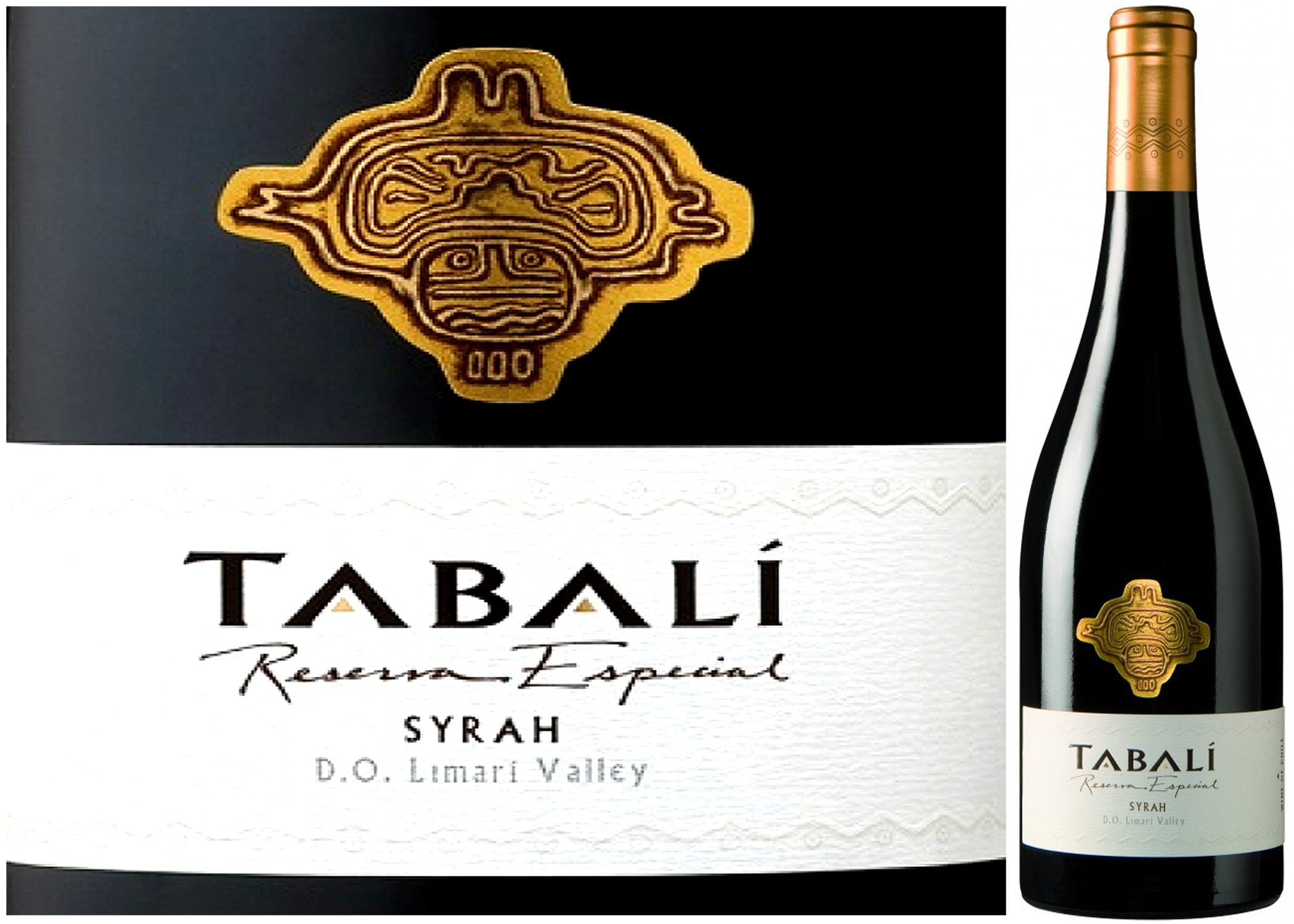
For this DéClassé recommended, limited-edition, Viña Tabalí Reserva Especial Syrah 2012, the fruit is sourced from an alluvial terrace (former seabed) of clay, chalk and limestone lying adjacent to the Limarí River; also acting as a conduit for mineral-rich meltwater that flows downslope from the Andes Mountains. This substantial wine has an appealing balance of tannin structure and intriguing softness; helped by a year maturing in a combination of new and second-use, French oak barrels (and now, an added year in bottle). This will continue to cellar for some time, but if you prefer your red wine with a touch of acidic brightness still present in the fruit—then start drinking!

Tabali

TABALI RESERVA ESPECIAL SYRAH 2012
VINTAGES – LCBO Product #213538 | 750 mL bottle
Price $ 17.95
14.5% Alcohol/Vol.
Sugar Content Descriptor: XD

Made in Limari Valley, Chile
By: Viña Tabalí
Release Date: April 30, 2016

Tasting Note
This fairly rounded Syrah gives off dark fruit aromas, juicy cherry and black plum flavours with the expected peppery spice and bitter chocolate notes that define the grape. Try with roasted lamb, braised short rib and leeks, grilled steak with Chilean salsa or bacon-wrapped chicken tornadoes and peppercorn sauce.

Provençal Rosé

Two and a half millennia’s worth of experiment and refinement in viniculture, give or take a few centuries, surely demonstrates a commitment to getting it right. In these ancient vineyards, dotted among the tumbling limestone bluffs and some still-wild scrubland, a colourful panoply of migrant tribes, religious monk orders, dukedoms, kingdoms, and empires have introduced new varieties of grapevine; adapting them as regional cultivars and a diversity of styles. In antiquity, Greek settlers farmed the maritime landscape for 500 years before Caesar strode ashore triumphantly at Marseilles in 49BC. The subsequent occupation would endure for four centuries and provide Provence its modern name; derived from its long-held Latin title Provincia Romana. With the sudden demise of the Western Roman Empire, a succession of Ostrogoths, Visigoths, and Germanic Burgondes took turns making their preferred wines before being absorbed into the Kingdom of the Franks in the 8th century. Invasion by North African Berbers, then the rising of Charlemagne’s Carolingian Empire, was followed by a litany of other feudal Frankish or Italianate kingdoms, and so it continued throughout the Crusades and Medieval Periods–up until 1481 when Louis XI firmly embraced Provence as a unique territory in the France we know today. Somewhere along the historical way, Provençal winemakers finally settled on the challenges and rewards of becoming the global gold standard for the fashioning of Rosé.

When cultivating grapes, especially Grenache, Syrah, and Cinsault, it’s a blessing in the Côtes de Provence AOP to see 300 days of yearly sunshine; ensuring that the fruit will have reached peak maturity by harvest time. If you’re a local vintner working to fashion crisp and refreshing wines from these relatively robust varieties, then it’s also beneficial for the vines to experience a significant cooling-off in the evening as a respite from the stressful, daytime heat. If you’re a painter, then the vista of the Arc Valley, framed by mountains and low-lying hills on 3 sides might be as inspiring as it was to Cezanne in his landscape composition, Mont Sainte-Victoire and the Viaduct of the Arc River Valley.

Call it ‘Provence’s sun-drenched bounty’ and know that it’s plentifully expressed in this week’s DéClassé recommended bottling of Gassier Sables d’Azur Rosé. It’s a classic blend of the grapes listed above, with the Cinsaut adding softness and bouquet to the salmon-pink formulation. As an excellent example of why this charming wine style continues to enjoy a renaissance of appreciation worldwide, it’s attractively bottled in the slender and curvy glass vessel known regionally as a flûte à corset: a playful association to the garment, and shapely effect. What’s not reined-in here is an abundance of delicately layered flavour. Buy 3 (at least)!

Sables D'Azur

GASSIER SABLES D’AZUR ROSÉ 2015
LCBO/VINTAGES – Product #33621 | 750 mL bottle
Price: $15.95
12.5% Alcohol/Vol.
Sugar Content: D

Made in Provence, France
By: Advini
Release Date: April 30, 2016

Tasting Note
Fresh red berry, melon, and sweet citrus zest dominate the aroma and flavours of this dry and vibrant wine. Perfect as an aperitif served alongside Sushi, salads, Prosciutto Crostini and goats’ cheeses or with mains of stuffed Mediterranean peppers, herb-roasted poultry and sweet potato gratin.

Alsace Pinot Gris

The Alsace AOC (Appellation d’Origine Contrôlées) was established in 1962 and its fairly stringent winemaking requirements reflect the pride and ambition by Alsatians to codify their vinicultural expertise. Anchoring the north-east corner of France, this is the largest of 3 related appellations; representing 75% of the region’s vintners; sharing geography with a smaller group of select estates that carry the AOC designation Crémant d’Alsace (sparkling) or Alsace Grand Crus. Their output of varietal whites such as Sylvaner, Riesling (Dry), Gewürztraminer, Muscat d’Alsace, Pinot Blanc (Klevner), Auxerrois Blanc de Laquenexy, and this week’s DéClassé featured Pinot Gris are widely regarded as the benchmarks for more fulsome versions of the sometimes, lightweight wines produced elsewhere. In embracing the challenges of high AOC standards, particularly the preference for quality over quantity, Alsatian vintners are guarding the regional character that’s taken centuries to forge. Arguably, they remain in a leadership role for the cultivation/refinement of these cool climate grapes and wine styles; just ahead of burgeoning competition across the German border!

maison-pierre-sparr

Alsace’s most reputed wine-producing district is the geographic portion called the Haut-Rhin (Upper Rhine). Centered on the ‘wine capital’ town of Colmar, its vineyards line the foothills of the Vosges mountains and roll out onto the adjacent river plain. Conquered by Caesar in the 1st century BCE, this was a desirable agricultural tract in the Roman province of Prima Germania for about 600 years before becoming part of a Frankish Duchy in 496. After a long period of acting as a buffering borderland region in the Holy Roman Empire, it was annexed by French troops in the late 17th century as a territorial spoil of the 30 Years War. For the next 350 years, this contested strip of land traded Franco and Germanic occupation before settling as a hybrid people/culture within modern-day France; so it also is with their traditions of fashioning wine.

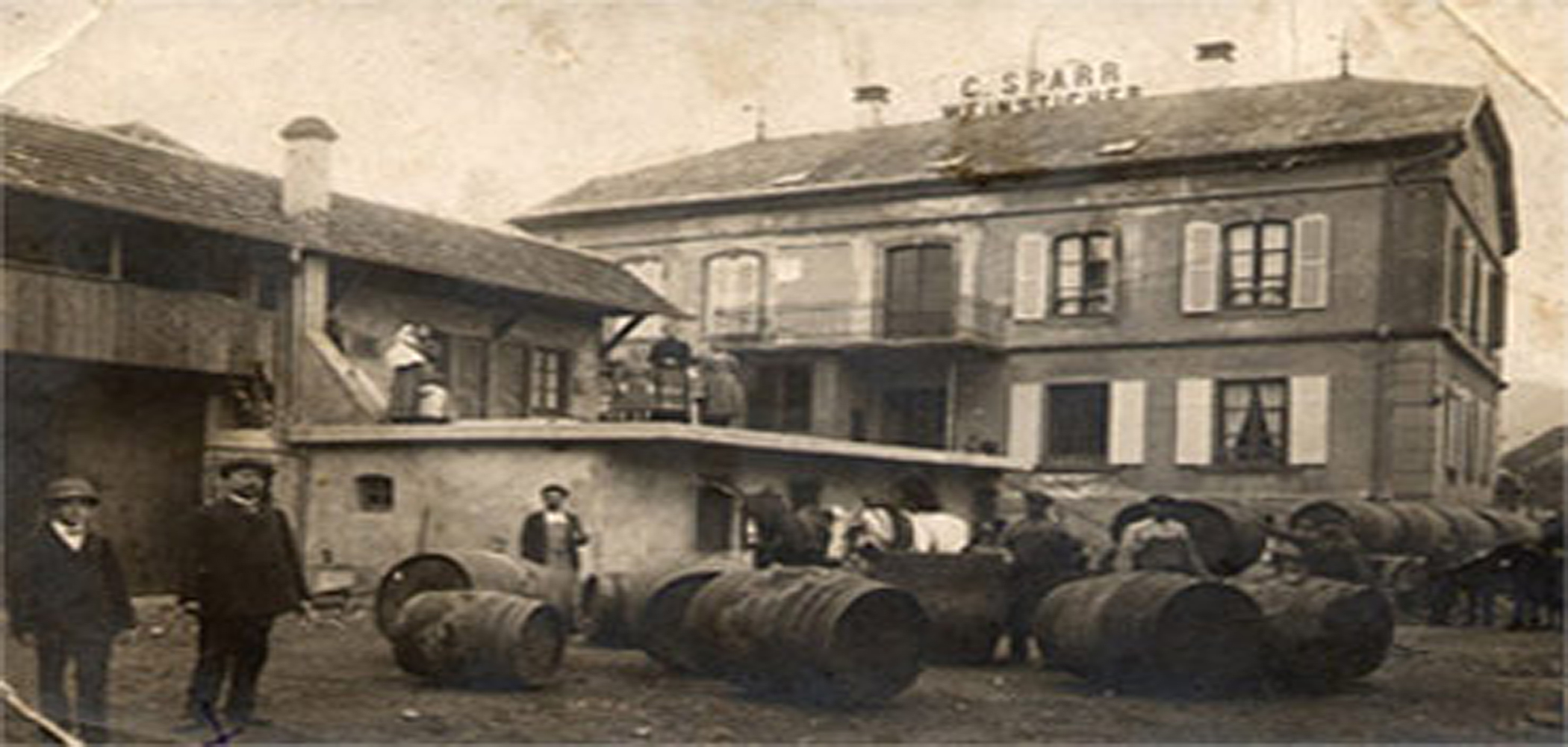
Amid this latter period of regional history, lies the familial legacy of Jean Sparr and the 9 successive generations that have culminated as one of Alsace’s best-recognized producers, the Maison Pierre Sparr Successeurs. Their modern renaissance begins after the devastating 2nd World War, during which the family’s village of Sigolsheim and its surrounding vineyards were largely razed. Rebuilding the long-held family estate and replanting 15 hectares of vines, in time, has led to an expanded collaboration with other dedicated local growers and the current, and very capable cellar master, Alexandra Boudrot. Judging by the mid-grade offering of Pinot Gris Reserve 2014, the reputation of this consistently accomplished winemaking dynasty remains well deserved; with a future that’s distinctively dressed in a tall and slender bottle called a Flute, and its content that has a bright straw-coloured hue!

Pierre Sparr

PIERRE SPARR RESERVE PINOT GRIS 2014
VINTAGES – LCBO Product #983395 | 750 mL bottle
Price $16.95
13.5% Alcohol/Vol.
Sugar Content Descriptor: D

Made in Alsace, France
By: Cvb Maison Pierre Sparr Successeurs
Release Date: April 16, 2016

Tasting Note
Plush and soft, with layered aromas of apricots, honey, and spice, this fruity wine also incorporates citrus and a dose of minerality to refresh the palate. Though well-suited to a traditional gastronomic mix of Choucroute à l’Alsacienne (pickled cabbage, steeped potatoes, and assorted smoked sausages), Pâté de Foie Gras (goose liver paté with truffles, wrapped in pastry) and Flàmmeküche (flatbread with crème fraîche, onion, and lardons), it would also add a tangy balance to spicy Asian cuisine loaded with fresh vegetables. Try the latter pairing first; well chilled!

Baden Grauburgunder

Though geographically divided by the Rhine River, the histories of French Alsace and German Baden-Württemberg share many traditions of cuisine, wine and a trove of cultural lore; the most novel of which might be a love of asparagus and being blessed with unique micro-climate conditions that allow them to cultivate it. Highly valued in the Middle Ages as a medicinal treatment for Gout, asparagus’s reputation as a luxury vegetable dish blossomed in the 17th century when it was enthusiastically promoted by France’s Sun King, Louis XIV, and across the border where Count Palatine, Charles Theodore, had it planted in his castle gardens among wild Grape Hyacinths, Irises and Orchids! Here in this balmy southwest corner of Germany, shielded by the Schwartzwald (Black Forest) to one side and the Vosges Mountains on the other, another regional
success on either side of the river is the cultivation of Pinot Blanc, Pinot Noir, and this week’s DéClassé featured grape and varietal wine, Pinot Gris.

In Baden, these varieties thrive in the mineral-rich soils that have settled on the lower slopes of long dormant Vulkanfelsen (volcanos). For the vintners of Königschaffhausen and their 2014 Pinot Gris, fruit is sourced from vineyards on a cluster of hills that are auspiciously titled as Kaiserstuhl (the Emperor’s Throne). 85% of Baden’s output is bottled by small winery cooperatives and is the only German region subject to the higher EU Zone B wine standards, which also apply to premier producing areas such as Alsace, Champagne, and Burgundy.

kaiserstuhl

As for the current range of German wine exports, the industry is still working to counter the associations by North American consumers that they only produce various types of Riesling; particularly, sweeter versions. Gradually, with the help of Pinot Gris (locally known as Ruländer or Grauburgunder), the healthy diversity of wines being exported is tempering this outdated impression. As a compelling example, this dry, silky and elegant bottling demonstrates a level of quality and character that puts many popular whites such as Soave and Pinot Grigio to shame for their lack of distinction.

As a time limited release to LCBO’s Vintages, this week’s recommendation is on many ‘best of the month’ lists, so will require some Olympian sprinting to get to the shelves before it’s gone until next year. If you are a white wine lover, don’t hesitate to buy half a case. If you’re an intransigent red wine lover, then only buy 3, so you have something truly interesting to offer your white wine-loving friends!

Konigschaffhauser

KÖNIGSCHAFFHAUSEN VULKANFELSEN TROCKEN PINOT GRIS 2014
VINTAGES – LCBO Product #450726 | 750 mL bottle
Price $ 16.95
13.0% Alcohol/Vol.
Sugar Content Descriptor: XD

Made in: Baden, Germany
By: Winzergenossenschaft Königschaffhausen
Release Date: April 2, 2016

Tasting Note
Delicate aromas and flavours of citrus and stone fruit make this dry, mid-weight white a fabulous apéritif wine with pâté, soft cheeses, asparagus with a white sauce or with main courses of roasted poultry, smoked fish, and baked hams.

Rhône Grenache Noir

Not only a natural kingdom populated with green oak, aromatic Mediterranean shrub, and stands of Aleppo pine trees, the small rumpled mountain chain called the Dentelles de Montmirail is also home to a group of historically and culturally preserved hamlets like Sablet, Gigondas, and this week’s featured wine source, Séguret. Anchored and rising upward from the jagged lace work (dentelles) of limestone outcrops, the tight cluster of Terra Cotta roofed stone houses, shops, and cobbled alleys reveal the town’s medieval history while evoking more distant roots. For over 500 years as of 1274, this large parcel of land and connecting waterways were part of a Papal realm known as the Comtat Venaissin. Ceded to the Catholic church by various minor French rulers, the enclave was a home for a succession of 9 displaced Popes who had fled Rome due to political revolt. It remained in their control up until 1791 when it was reintegrated into France as part of a new order that followed the French revolution. Geographically framed by the Rhône River bank to the west and the modern boundary of Provence to the south, this desirable region that includes Châteauneuf-du-Pape (the Papal Castle) had already benefited from the agricultural influence of Greek settlers who planted Olive groves, and Romans who developed regionally-appropriate grape cultivars, built terraced vineyards and exported their wine via barge down the Rhône and its tributaries!

Winemakers in the Southern Rhône region have been cultivating Grenache Noir and Syrah grapes for at least 14 centuries. Well suited to a regional climate in which daytime heat is tempered by the cooling Mistral breezes, and where the sufficiently long growing season allows the fruit to reach full maturity, these two plump and prolific varieties are the backbone for the Rhône’s signature, blended red wine recipes. In more recent history, Cave Le Gravillas began producing high quality, terroir-specific wines in the mid-1930’s and with multiple generations of practice later, they’ve confidently grown into an internationally recognized brand.

seguret

Séguret is one of 18 select villages who are permitted to add their name to the AOC designation of Côtes du Rhône – Villages. Generally, ‘Villages’ suggests that their wines are produced under more stringent requirements of planting density, harvest yields, blending proportions and minimum alcohol levels. Whether or not these factors directly translate into a consistently better grade of wine than the more generic standard is debatable, and variable from year-to-year. What’s less uncertain, is that the terroirs surrounding each village, coupled with localized finishing traditions do produce discernibly distinctive flavour profiles.

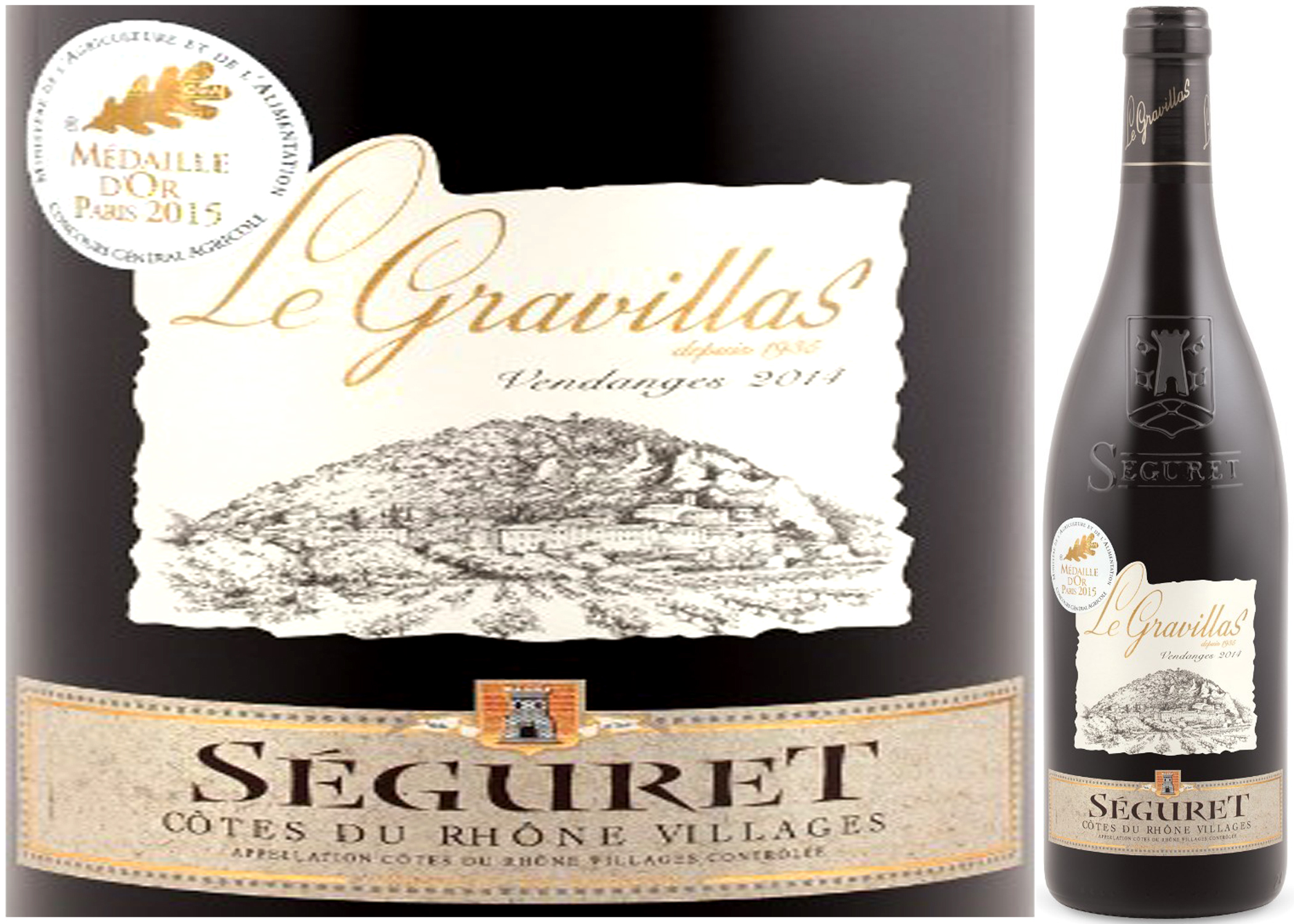
For my tastes, as an admitted fan of medium to full-bodied, earthy, berry-forward wine with polished tannins and less oak influence, this Villages – Séguret 2014 is a balanced bottling that’s equally satisfying when served up as apéritif or with dinner fare. Beyond those baseline credentials, note that it earned a Gold Medal at the Concours Général Agricole de Paris in 2015; in a category always packed with notable competition from the Rhôneland vineyards!

Le Gravillas

LE GRAVILLAS COTES DU RHONE – VILLAGES SEGURET 2014
VINTAGES – LCBO Product #309260 | 750 mL bottle
Price $ 16.95
14% Alcohol/Vol.
Sugar Content Descriptor: D

Made in Rhône, France
By: Le Gravillas
Release Date: March 19, 2016

Tasting Note
As Grenache makes up most of the blend, rich black fruit aromas and flavours dominate this bottling, with the Syrah adding some zippy pepper notes. Try this alongside braised or curried lamb, beef Kefta brochettes or spicy squash tagine.

Western Cape Chenin Blanc

With some justified claim to being one of the Cape’s renowned white grape varieties, the plucky, old, and gnarly bush vines that produce Chenin Blanc thrive, unirrigated, in this dryland region’s crushed granite soils. Challenged by these conditions, the long-lived rootstock has learned to burrow deeply; drawing on the mineral-rich nutrients and moisture that have percolated downward in the rocky terrain. As is often the case with grapevine, environmental stresses promote the development of more characterful fruit; invested with a nuanced layering of flavours. The desirable combination is evident in this DéClassé featured bottling of a historically unheralded, though now renascent, Chenin Blanc wine style. Well suited to the temperate terroirs of the continent’s southernmost tip, this vintner has aptly and evocatively named the offering, Vinum Africa.

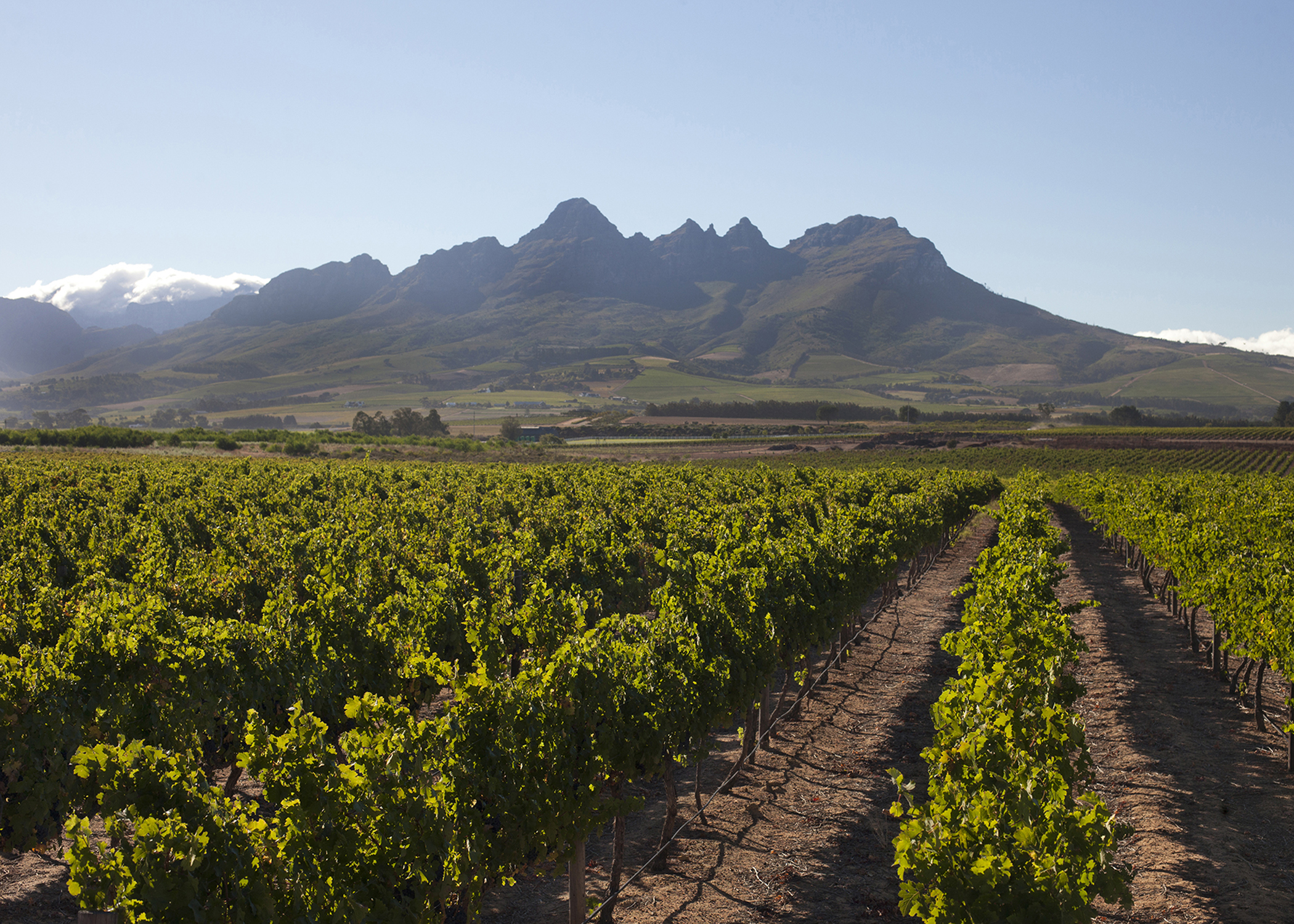
Comprising 20% of South Africa’s total cultivation and output, the winelands of the Stellenbosch region in the Western Cape continue to rise in the competitive ranks of reputation; in the country and internationally. Blessed with a diversity of microclimates and soil composition, its potential was first recognized by French Huguenots who arrived in the 1690’s and immediately began planting vines. The somewhat younger, ocean-facing vineyards of the Winery of Good Hope lining the lower slopes of the Helderberg (bright mountain), are one cornerstone of a farming enterprise that’s at the creative forefront of exploiting the advantages of a dynamic wine region, and its motivated cadre of world-class winemakers.

helderberg

Hands-on harvesting, manual sorting, and careful selection lead the production process where natural fermentation of the grapes takes place in stainless steel tanks. While a majority of the harvest is left to linger on the expired yeast (lees), infusing the batch with some subtle toasty notes, the other 30% is transferred to mixed generations of Oak barrels where it takes on its spice accents. The final blending and resting of both components for several months is a key step in a recipe that imbues the still-crisp acidic fruit with considerable aromatic depth and range. It’s also the measurable distinction for how Chenin Blanc develops a more rounded flavour profile in SA; contrasting the leaner versions that are fashioned in its native France, where it’s known as Pineau de la Loire.

The striking symbol acting as a label combines an ethnic flourish with the Latin term Vinum (wine) and was conceived as an expression of the positive political, historical and social progression in a revitalizing South Africa. Proudly playing out their part, the passion and care of these vintners is palatable in the glass. This is a lovely layered wine, offered at a very reasonable price-point and we’re fortunate to have access to some of the 2,600 cases from the 2013 vintage!

Vinum Africa

VINUM AFRICA CHENIN BLANC 2013
VINTAGES – LCBO Product #739995 | 750 mL bottle
Price $ 15.95
13.5% Alcohol/Vol.
Sugar Content Descriptor: XD

Made in: Stellenbosch, South Africa
By: The Winery of Good Hope
Release Date: March 19, 2016

Tasting Note
Medium-bodied, fragrant and dry, try serving this zesty wine with Mediterranean dishes, grilled vegetables of all sorts, sushi or as a compliment to Asian cuisine. It’s also very satisfying as an apéritif with goat cheese canapés or onion tarts.