Unknown's avatar

About Stephan Droege

With a specific focus on characterful and overachieving wine in the $15 to $18 price-point range, DéClassé aims to expand the readers' taste and curiosity about a diversity of wine styles--while exploring the winemakers in a cultural and historical context. Thank you for visiting the site!

Prosecco Alert

Historical references to lightly sparkling wines in the Veneto region date to the
1100’s and were much sweeter in the 12th century compared to the popular
styles being fashioned today. With the burgeoning profile and interest in this
delightful wine internationally, progressive Italian producers have had to take
pro-active steps toward guarding the unique, regional nature of their Spumante.
The traditional grape family for this, the bubbliest of all Italian white wine styles,
was for a very long time, colloquially known as Prosecco; likely to have originated
around the namesake town of Prosecco close to the Slovenian border. Official
rebranding of the name to Glera in 2009 now means that these grapevines can
be cultivated and marketed in other wine-producing regions in the world with the
new designation, but only those wines which specifically originate from DOCG
Prosecco and its various sub-regions, such as this week’s DéClassé featured
bottling from DOCG Treviso, may be labelled as bonafide Prosecco.

The sparkling wines from Italy’s geographic, north-eastern corner are distinctive
in their own right, though the vintners have employed and innovated the French
method called Charmat to achieve their form. After an initial fermentation, the
second infusion of yeast continues the converting of sugars and provoking the carbonation that provides the wine with its bubbled froth. This key finishing step
is done in large, pressurized Stainless Steel tanks rather than the bottle, so
results in a fresh, crisp fruit flavour with less of the toasted character that is
more typical in its distant French Crémant cousins.

The long rows of white pebble covered vineyards on the La Jara farm create an
appealing aesthetic while suppressing unwanted weed growth around the root
stock. Most importantly, the stones absorb the heat of daytime sun, then slowly
release the stored energy in the evening, extending exposure time of the grape
clusters to a warm microclimate; deepening their fruity character. Now in the
guiding hands of Massimo and Paolo Marion, generational family history here on
the gravelled banks of the Piave River dates to 1891and is in a renewed phase
of thriving commercially while progressively applying organic farming practice.

Avoid overchilling, but keep at cool temperature while trying in a wider mouthed
goblet rather than in slender stemware. Your brunch guests will appreciate you
having another bottle, standing by, brimming with steely fruit – to top them up.
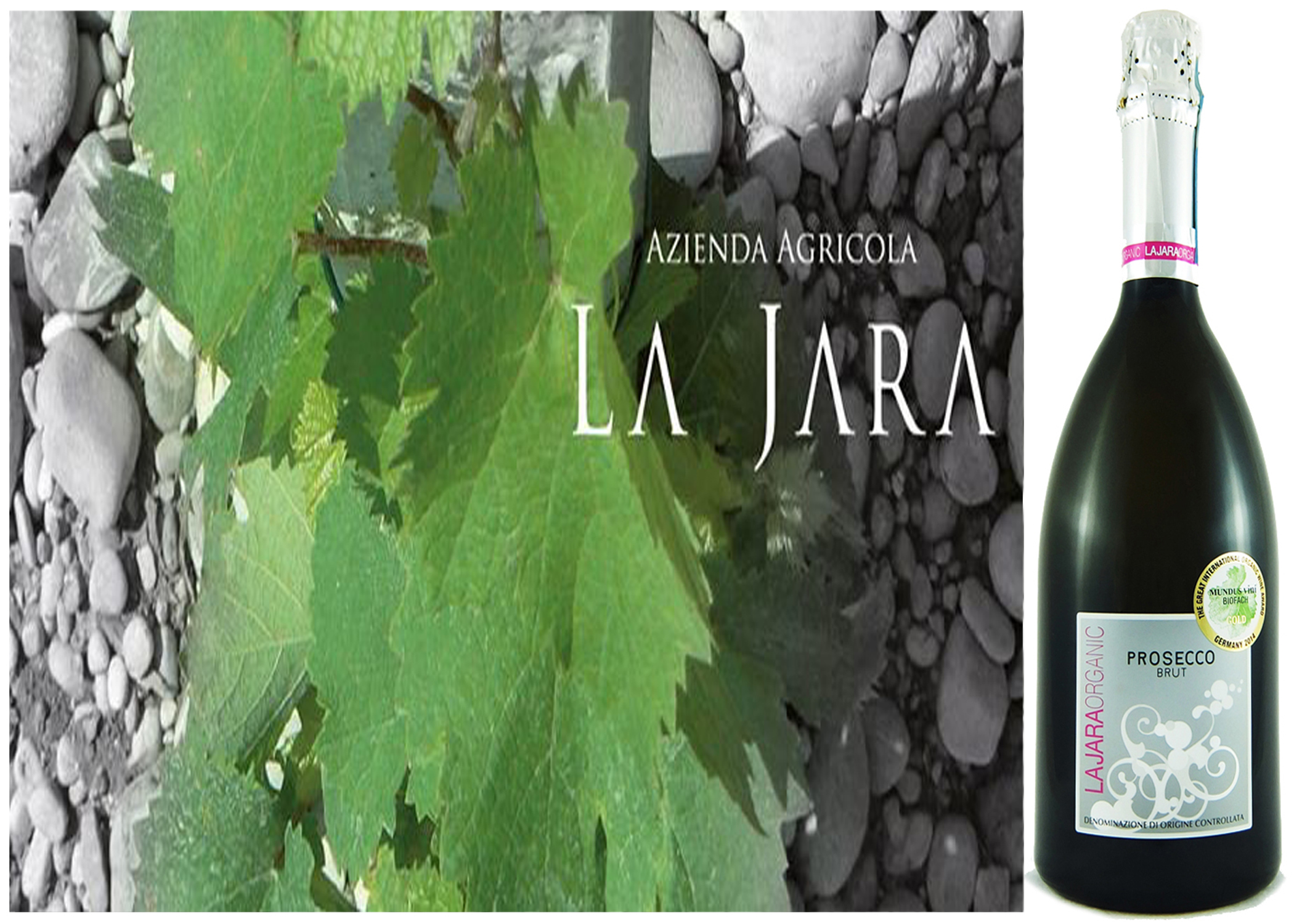
La Jara Brut

LA JARA BRUT PROSECCO
VINTAGES – LCBO Product #402438 | 750 mL bottle
Price $ 15.95
11.5% Alcohol/Vol.
Sugar Content Descriptor: D

Made in: Veneto, Italy
By: Agricola La Jara
Release Date: Apr.4, 2015

Tasting Note
This informal sparkler has an abundance of fresh apple and pear with a nutty
finish. Try as an apéritif ahead of traditional Easter Brunch fare or as a spritzy
complement to smoked salmon and assorted savoury pastry appetizers.

Riesling Alert

The Weingut Dr. Hermann estate is located in the charming winegrowing town
of Ürzig. Also known as “Ürziger Würzgarten” as of the 13th century, the name
references the historic garden of 10,000 shrubs and its 160 varieties of spice,
aromatic herbs and medicinal plants. Equally impressive in the landscape, are
the terraced vineyards boasting mature 30 – 100 year-old grape vines. Clinging
onto the exceptionally steep, red slate and sandstone slopes that were carved
over the millenniums by the picturesque Mosel River, hand picking and sorting is
both a point of pride and physical necessity in the heartland of noble Riesling.

Looking back 30 – 40yrs., local wine markets were awash with German Rieslings
of limited varieties, typically ranging from the very sweet to saccharine. This fact
created the impression that the wines offered little more than being appropriate
for dessert. Thankfully for all, times have changed. The reframing of reputation
has come about due to broader distribution of high quality wine by independent
producers that now includes drier variants and the emergence of Asian cuisine,
which has breathed a wonderful new range into the food fare that’s commonly
associated with the Riesling style.

In this relatively cool weather, wine growing region, getting the vines to produce
adequately ripened fruit is always challenging. This fact, in part, has prompted
development of the German classification system of Prädikatswein. Concerned
with establishing verifiable standards for harvest times and the attendant sugar
levels, it also forbids the practice of chaptalisation, whereby extra sugars might
be added to less-ripe grapes before fermentation, to boost the eventual alcohol
content. This week’s DéClassé recommended bottling carries the designation of
Kabinett, which is the first level of ripeness, typically producing the lightest style
of Riesling and naturally lowest in alcohol content (8.5%).

Erdener Treppchen (‘little staircase’ of Erden) is the name of the single-vineyard
source of the grapes, whose unique soil gives this wine its exotic, spicy aromas
as well as, its great potential for aging. It’s a medium-bodied white that delivers
an elusive balance of sweet fruit with a dry finish, beautifully rounded with lively
acidity. Though appealingly sweeter as a so-called medium dry, it is nonetheless
elegant, complex and affordable for its exceptional caliber. Serve well chilled.

Untitled-3

DR. HERMANN ERDENER TREPPCHEN KABINETT RIESLING 2010
VINTAGES – Product #402420 | 750 mL bottle
Price: $ 17.95
Wine, White Wine
8.5% Alcohol/Vol.
Sugar Content : MD

Made in: Mosel, Germany
By: Weingut Dr. Hermann
Release Date: Mar. 21, 2015

Tasting Note
Delivers textbook Mosel aromas and flavours of stonefruit, citrus, honey and
spice, freshly devoid of oak . Though vibrant, the texture is at the creamy end of
the scale, making this an ideal for pairing with turkey, root vegetables, herb-rich
stuffing, potato and leek gratin or chicken satay and spicy Thai dishes.

Cab Sauvignon Alert

Founded in the 1870’s, Bodegas Torres has over the course of 140 years or
so, been the major driving force in putting Spain’s now famous Penedès region
on the international wine-making map. Numerous impediments along the way,
including the partial destruction of the winery during the civil war (1936-39),
have inspired and motivated the evolution of this vintner’s practices away from
simply being a bulk wine supplier, to graduating and thriving in the status as a
renowned bottler of vintage offerings in 50 different styles – though many of
these are only produced in appropriately successful harvest years.

The Torres Family has been based in the town of Vilafranca del Penedès since
its inception as a company and has progressively expanded its holdings to over
1,700 hectares of vineyards at 3 levels of successively higher elevation: coastal
central and high. The harvested fruit is vinified, then allowed to slowly mature in
more than 2O, OOO barrels, stored in stacks along an impressive 2 kilometers
of underground galleries.

Wine has been cultivated on the Mediterranean shores of the Iberian Peninsula
since the Phoenician period, though for this week’s Reserva grade red, we have
Miguel A. Torres to thank for the vision of introducing Cabernet Sauvignon to
Penedès during the 1960’s and 70’s; prior to which only local, obscure white
wine varieties were the norm. Along with promotion of the French ‘Emperor of
red varieties’, additional innovation came in the choice of also using indigenous
Tempranillo grapes as a blending partner, best known in Catalonian vineyards
southwest of Barcelona as Ull de Llebre (hare’s eye).

A perennial listing in the LCBO’s Vintages Essentials catalogue, this remarkable
value is available year-round, though for the next several weeks – it’s sale-priced.
It’s an opportune time to reevaluate the quality of Spanish wine and this bottle
would be the ideal starting point!

Gran Coronas

TORRES GRAN CORONAS CABERNET SAUVIGNON RESERVA (V)
VINTAGES – LCBO Product #36483 | 750 mL bottle
13.5% Alcohol/Vol.
Sugar Content Descriptor: D
Limited Time Offer
Was: $ 19.95
Now: $ 17.95
Until Mar. 29, 2015

Made in: Penedès, Spain
By: Miguel Torres S.A.
Release Date: Mar. 7, 2015

Tasting Note
With a deep red hue, this dense and silky-rich red imparts aroma and flavours
of cherry, plum, red current and characteristic coffee, vanilla bean and leather
notes – that tend to develop with a slightly extended period of barrel ageing. It’s
perfect with charcuterie, cheeses, pasta with lemon cream sauce, vegetarian
paella, as well as, filet mignon or grilled lamb.

White Burgundy Alert

White Burgundy still ranks among the wine world’s most famous grape varieties
and the benchmark styles from its native terroir remain a gold standard. We’re
of course referencing Chardonnay. It has also done very well in California, where
climate and drinking tastes converged in the 20th century, providing a significant
cornerstone upon which a young wine industry was initially built-up, then broadly
diversified. Widespread popularity of particular wine styles is subject to cycles. A
rapid rise for Chardonnay as a staple table wine in North America, was followed
by a degree of consumer fatigue, clearly expressed in a somewhat derisive and
unfortunate acronym: ABC ‘anything but chardonnay’. Within the vast range of
possible finishing styles that includes both dry sparkling and still wines, this, the
world’s most planted white grape, is enduring and defying fickle fashion.

Finished Chardonnay is a definitive winemaker’s wine, in that the characteristics
commonly associated with it: being highly aromatic, having a buttery mouthfeel,
tropical or stonefruit flavoured body, notes of vanilla – are all the carefully coaxed
results of how this relatively neutral grape is methodically fashioned. From time
to time, this has translated into excesses of one aspect overshadowing others.
As this is also one rarer example of a white wine being suitable for barrel aging,
overly Oaked versions of less-select grape harvests, did for a time, contribute to
the decline in reputation and desirability for ever-more discerning drinkers. With
development of the grape in other cooler climate vineyards, fresh and vibrant
expressions of Chardonnay are more common again and arguably, truer to the
originating style from Burgundy. This week’s DéClassé recommended bottle is a
balanced classic and more than deserving of a revisit and re-appreciation.

The Mâconnais do have an indisputable expertise with this wine and their lighter
touch in production allows the more natural character of the fruit to shine. Their
practiced traditions with Chardonnay reach well back into the middle ages when
Mâcon was the heart of the Duchy of Burgundy. Some of France’s oldest lineage
of vines are found here, having begun a sustained cultivation, not surprisingly, by
monks as early as the 5th century. Flash forward to modern times and the region
is still outputting great, signature examples. This is one, where you will rue not
having picked up a second bottle, to enjoy with guests after having polished off
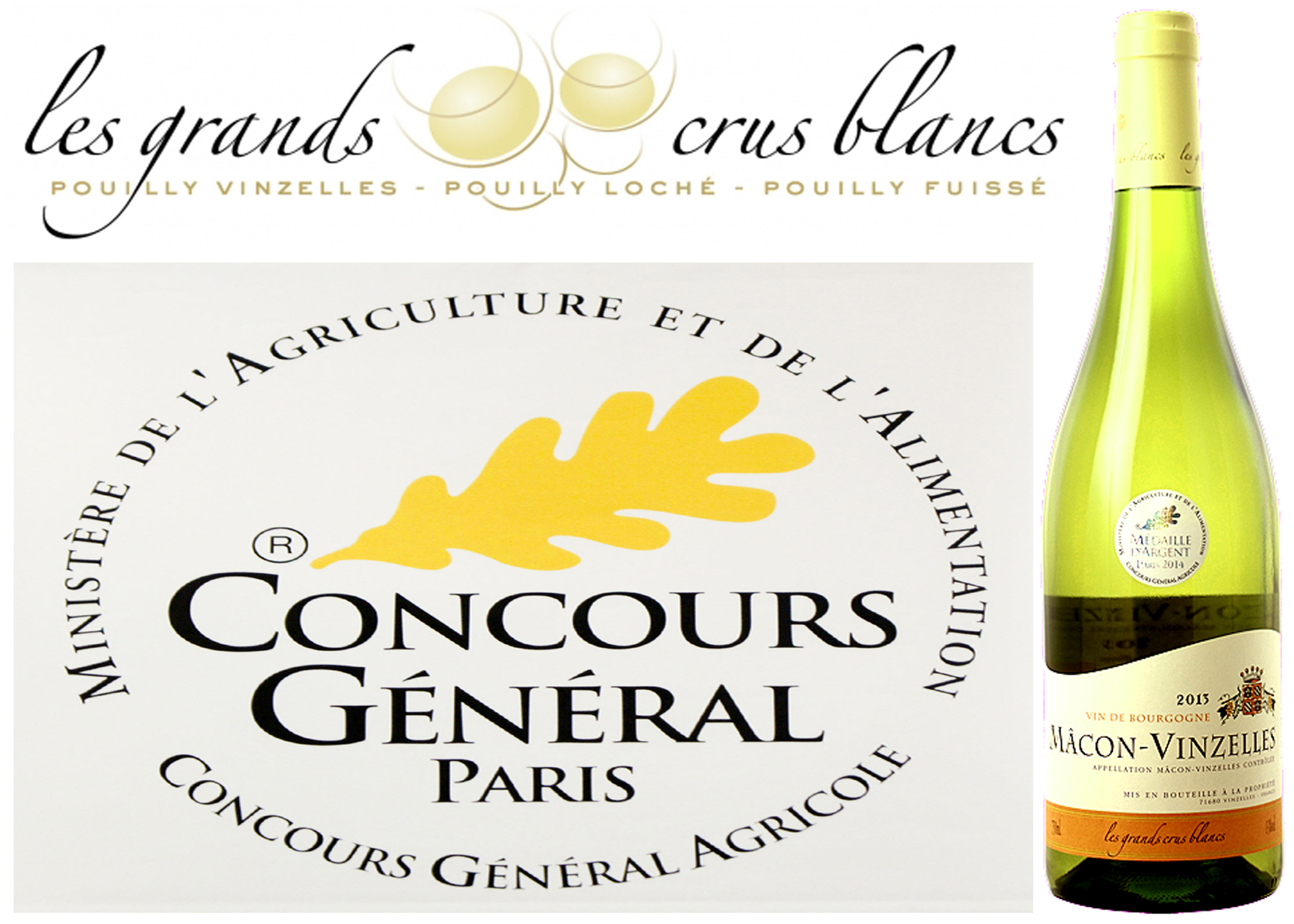
the first – Gold Medal, 2014 Concours Général Agricole in Paris.

Macon Vinzelles

CAVE DES GRANDS CRUS BLANC MACON VINZELLES 2013
VINTAGES – LCBO Product #405795 | 750 mL bottle
Price $ 17.95
13% Alcohol/Vol.
Sugar Content Descriptor: XD

Made in: Burgundy, France
By: Cave Des Grands Crus Blancs
Release Date: Mar. 7, 2015

Tasting Note
This is a wine that can be easily overwhelmed by food choices, so shy away from
heavy meats or anything with an acidic character such as tomatoes. As apéritif,
try with smoked salmon and gruyere cheese. As a main course compliment, try
with roast chicken, pork, fresh fish and pastas in light cream sauces.

Cab Sauvignon Alert

The Colchagua is the southernmost sub-region of the verdant Rapel Valley and
apart from its contemporary agricultural reputation for premier wine making,
it’s also the home of the skilled and hardworking horseman known as ‘huaso’.
Having a prideful place in Chilean, folkloric culture, they have gradually over time
diversified away from cattle farming. Their historic range is bookended to the
east by the Andes Mountains, whose majestic, sheltering proximity helps shape
agricultural conditions highly conducive to grapevine cultivation. The mineral-rich
meltwaters flowing downslope, feed the entire Tinguiririca River basin that runs
its course westward and ultimately spills into the Pacific. As with many of these
valleys here in central Chile, the other significant factor of climate for the terroir
is the nearby, tempering influence of the ocean that results in a relatively mild,
almost Mediterranean-like conditions.

Not surprisingly, this translates into the flourishing of many big, high quality red
wine grapes typically cultivated in France such as Syrah, Malbec, Merlot and as
in the case of this week’s DéClassé recommended bottle: Cabernet Sauvignon.
The blend formula is also fairly typical with Cabernet (85%) making up the bulk,
helped by some small dashes of Syrah and Malbec to round out the recipe by
infusing some added body, colour and mineral content.

Viña Koyle already has 6 generations of wine making under its belt, having been
founded in 1885 by Francisco Undurraga Vicuña. The modern iteration includes
over 1,000 hectares of vineyard that encompasses several properties, with the
Los Lingues estate providing the fruit for this particular Gran Reserva bottling.
The other estate at Alto Colchagua provides the vintner with the inspiration for
the wineries name: Koyle being an endangered, indigenous Chilean flower that
nonetheless still thrives around the fringes of the fields and forests here.

This easy drinking red has benefitted from 12 months spent in French Oak to
promote the development of supple tannins and while it is ready to go now, the
still young wine is helped to blossom by decanting for a half hour before serving.
This may not be the most distinctive Cab blend you’ll ever have, but it is certainly
substantial, well-crafted and very satisfying wine at an attractive price-point.

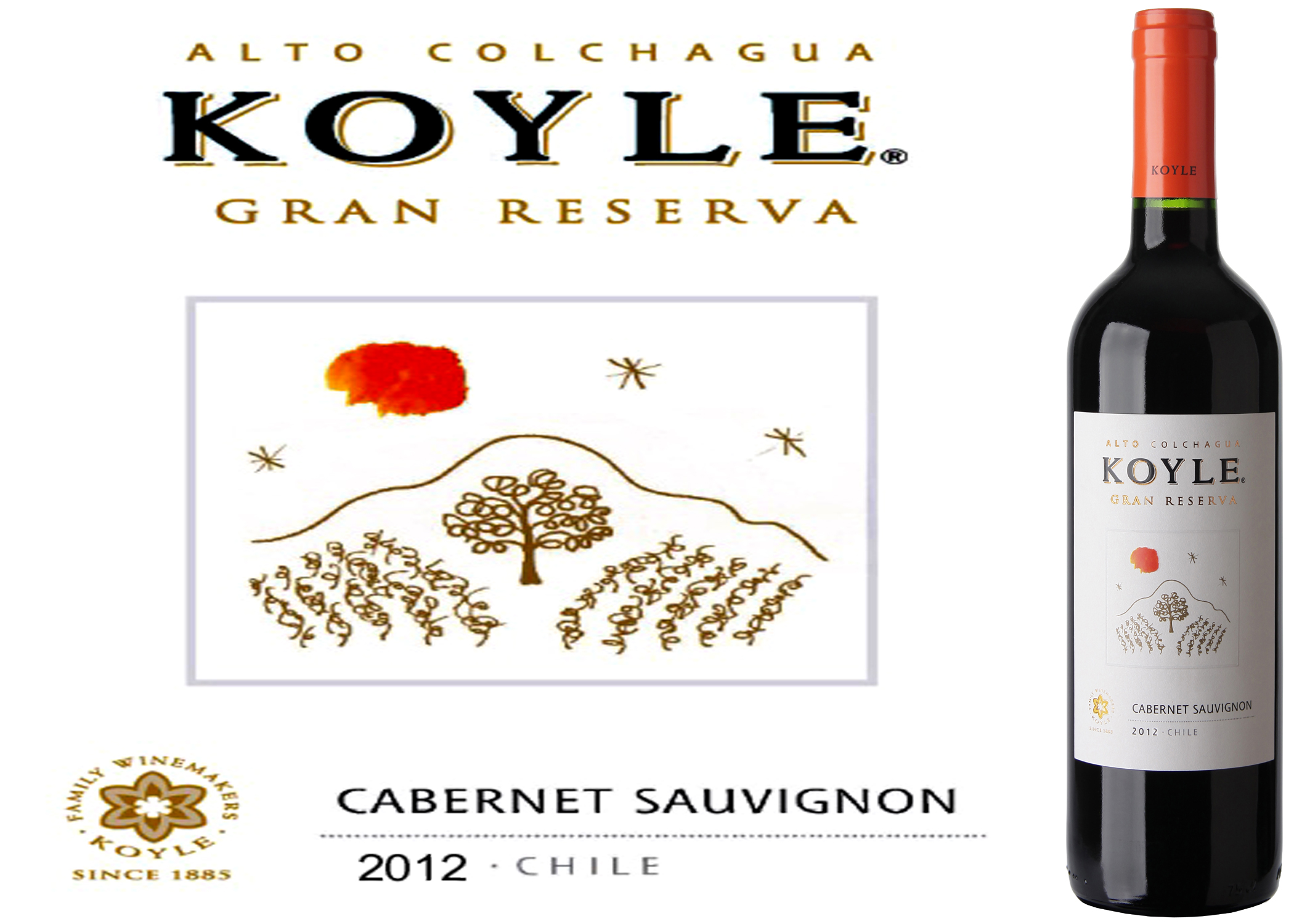
Koyle Gran Reserva

KOYLE GRAN RESERVA CABERNET SAUVIGNON 2012
VINTAGES – LCBO Product #256073 | 750 mL bottle
Price $ 17.95
14% Alcohol/Vol.
Sugar Content Descriptor: XD

Made in: Colchagua Valley, Chile
By: Vina Koyle S.A
Release Date: Feb. 21, 2015

Tasting Note
As is expected from a Cabernet driven blend, this has berry laden aromas and
flavour with some pleasant wood and spice notes. Works well as an apéritif, as
well as, complimenting steaks, stews, roast duck and other meat dishes finished
with either mushroom or peppercorn sauces.

Chianti Alert

The root of this week’s featured wine style: Chianti Classico is the term Chianti
itself. Some evidence suggests it derives from ‘clante’: the name of a person of
Etruscan origin; some believe it’s loosely associated to ‘clango’, a verb in Latin
that reproduces the sound of hunting horns and their announcement of hunting
season in the Tuscany territory. Moreover, the qualifying ‘Classico’ demarks the
territorial boundary beginning at the outskirts of Siena and reaching almost to
Florence. Wines from this official DOCG are often designated with a little Black
Rooster on the neck of the bottle: a distinctive emblem that signals membership
in the Consorzio Vino Chianti Classico – the local consortium that’s charged with
setting standards for the composition and best practices of the region’s output.

A so-called Vino Nobile (king of wines), Chianti is primarily made with Sangiovese,
though this bottling’s blend includes a 5% splash of Merlot, which hints at some
of the changes that have gradually taken hold both in the vineyard and wineries
of Tuscany. Notably, this includes the judicious adoption of a few French grapes
as replacement of less-interesting indigenous varieties and an embrace of more
stringent pruning and post-harvest selection practices. However, indisputably,
Sangiovese does remain the most widely planted, red-berried vine in all of Italy.
High in acid content and showing firm tannins, this slow ripening variety benefits
from a long growing season and relatively, delayed harvest. After fermentation,
in the hands of many producers, maturation takes place partly in oak casks and
partly in Tonneaux: a 900 litre, wood barrel popular in the Middle Ages that was
eventually made into the smaller ¼ size version that is today’s standard.

The Rocca Delle Macie winery was founded by the late Italo Zingarelli, who was
for a time, a successful film producer best known for his very popular spaghetti
westerns in the early 1970’s. Having developed and then passing on the estate
to his son Sergio and daughter in-law Daniela, he leaves behind what is perhaps
an even-more enduring legacy. Hard fought for and won, the painstaking work of
renovation and replanting on the14th-century farmstead nearby to the village of
Castellina, has evolved into the property and winery becoming one of Tuscany’s
most reliable producers of higher quality Chianti.

As with many wines, context is all-important toward fully appreciating what each
has to offer, uniquely. Chianti is decidedly a food wine and will be less satisfying
as an apéritif. So cook up a big meal, open the bottle in advance and as you’re
enjoying all, imagine: oak, pine and chestnut forests, olive groves, vineyards lined
with rows of cypresses and the distinctive Terra Cotta roofs of the farmhouses
punctuating steep hills in this charming landscape, producing charming wines.

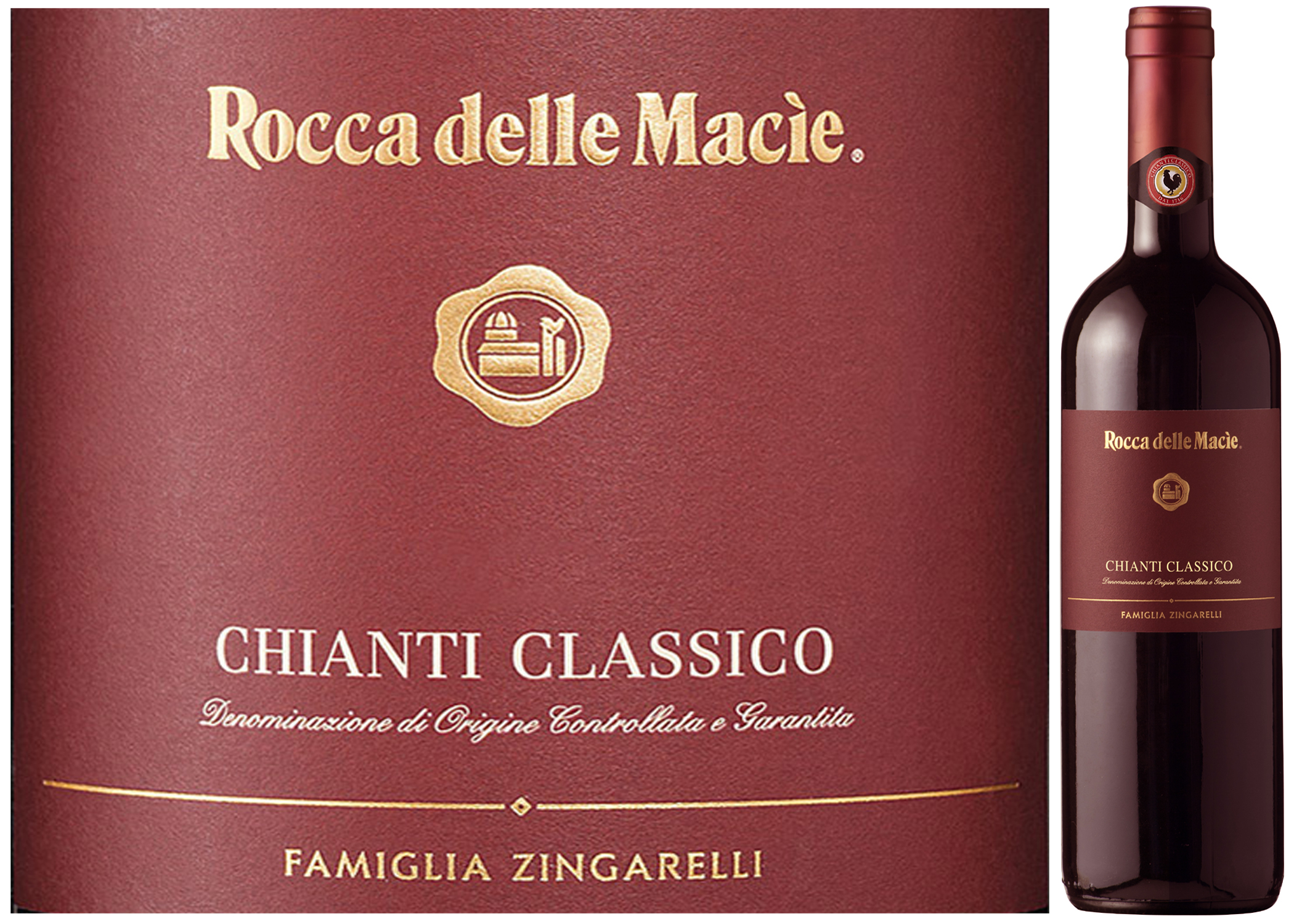
Rocca Delle Macie

ROCCA DELLE MACIE CHIANTI CLASSICO 2011
VINTAGES – LCBO Product #741769 | 750 mL bottle
Price $ 16.95
Sale-priced until Mar. 1, 2015
Reg. $18.95
13% Alcohol/Vol.
Sugar Content Descriptor: XD

Made in: Tuscany, Italy
By: Rocca Delle Macie S.P.A.
Release Date: Feb. 21, 2015

Tasting Note
This a savory, lively wine with flavours of dark cherries and stone fruit accented
with some typical notes of dried herbs. Try serving with heartier food fare such
as roast veal, pork, mushroom or squash risotto and pasta Bolognese.

Crémant Alert

Established in 1942, exports from the Clairette de Die AOC in the Rhône Valley
continue to be under-represented on North American store shelves. Largely
overshadowed by offerings from other French Crémant producing regions such
as the Loire Valley, Alsace and Bourgogne, this translates into very competitive
price-points for extremely well made bubbly – equally suitable to serve up as an
informal apéritif or to punctuate special events without breaking your budget.

As of the 20th century, the production recipe for sparklers from Clairette de Die
has evolved to include three white-skinned grapes varieties built predominantly
on a base of the region’s star Clairette, with Aligoté: a so-called ‘poor cousin’ of
Chardonnay and Muscat à Petits Grains: one the world’s oldest grape varieties,
rounding out the blend. Finished in the ‘méthode traditionelle’, this process is
defined by a secondary fermentation in the bottle that’s kick-started by adding a
dose of ‘liqueur de tirage’: a blend of wine, sugar and yeast. The gas-producing
step generates an abundance of Carbon Dioxide, infusing Crémant style wines
with its characteristically fine, frothy mousse. Rich flavour notes, particularly the
nutty or toasty ones most associated with traditional Champagnes, result from
the young wine being exposed to the expired yeast in the bottle (sur-lie) for at
least 9 months. Moreover, this wine typically doesn’t rely on the use of grapes
of a specific vintage year, rather it often incorporates several years of harvest
to better-ensure the unique consistency expected from each individual producer.

The Cave Poulet et Fils winery represents 4 generations of winemakers who’ve
passed on family traditions now guided by Emmanuel Poulet. 20 hectares of
vineyard property are situated next to the Parc Naturel Régional Du Vercors in
the southern, sheltering shadow of the Vercors Massif, a series of mountainous
limestone plateaus rising up between 2 tributary rivers that spill into the Rhône.
Here, vine stock thrives in the fertile, calcium-rich soils that have accumulated
as erosion deposit, typical in the valleys of this rugged and picturesque region.

You’re unlikely to find a more satisfying bottling of bubbly in this price category
and other judges agree, having awarded it a Gold Medal at the Concours des
Crémants de France et Luxembourg, 2013.

Cremant de Die

POULET ET FILS BRUT CREMANT DE DIE
VINTAGES – LCBO Product #392555 | 750 mL bottle
Price $ 17.95
11.5% Alcohol/Vol.
Sugar Content Descriptor: D

Made in: Rhône, France
By: Earl Cave Poulet Et Fils
Release Date: Nov. 7, 2015

Tasting Note
Has light floral aromas with field berry accents followed by the expected flavour
tang of citrus and apple, hints of peach, apricot. Try serving at brunch with smoked
salmon, with starters such as asparagus or along with stronger cheeses.

Gavi Alert

Since 1956, the Piedmont winemaker Michele Chiarlo has been at the forefront
of innovation and the significant elevation of quality, particularly for Barbaresco,
Barolo and Barbera, as well as, some of the less well-known styles such as this
week’s DéClassé recommended Gavi. Now with official designation, the Gavi
DOCG lies in northern Italy: a region that enjoys a unique micro-climate which
is highly conducive to cultivation of early ripening grape varieties like Cortese.
On 60 hectares, the Chiarlo family operation continues to explore and develop
the full potential of a terroir in which the combined Alpine and Maritime weather
conditions sees the heat of summer alternating with fog-bound harvest seasons.

Orme Su La Court (Footsteps in La Court) is an additionally remarkable aspect
of a winery already blessed with the beauty of its natural surroundings. It’s an
art walk that expresses the influences of the four elements of Earth, Air, Water
and Fire. Designed in collaboration with Genovese artist Emanuele Luzzati, the
sculpture installations have been placed amidst the long rows of vines that wend
their way across the rolling hills of the La Court estate. A notable feature, is the
grouping of ceramic heads on poles called ‘Le Teste Segnapalo’. These are
the reinterpretation of a traditional practice of placing figureheads in the vineyard
landscape to ward away negative influences on the growth of the grapes. The
walk begins and ends at a cluster of farm houses where exhibits, film showings
and live performance offer visitors the delightful chance to mix the appreciation
and creativity of the wines with the experiences of art.

The North American market is still slow in grasping an appreciation for the wide
range of Italy’s dry white wine other than ubiquitous varieties of Pinot Grigio and
Soave; arguably the least distinctive of their exported offerings. Gavi, apart from
being a pleasing apéritif wine served alongside antipasti, is also complimentary
to main courses of grilled fish, light cream-based pasta or pesto dishes. Dare to
consider adding this to an evolving contingent of alternate and more-interesting
choices such as Pecorino and Verdicchio. Only available in LCBO’s Vintages
section, this limited, seasonal release won’t be on shelves for very long.

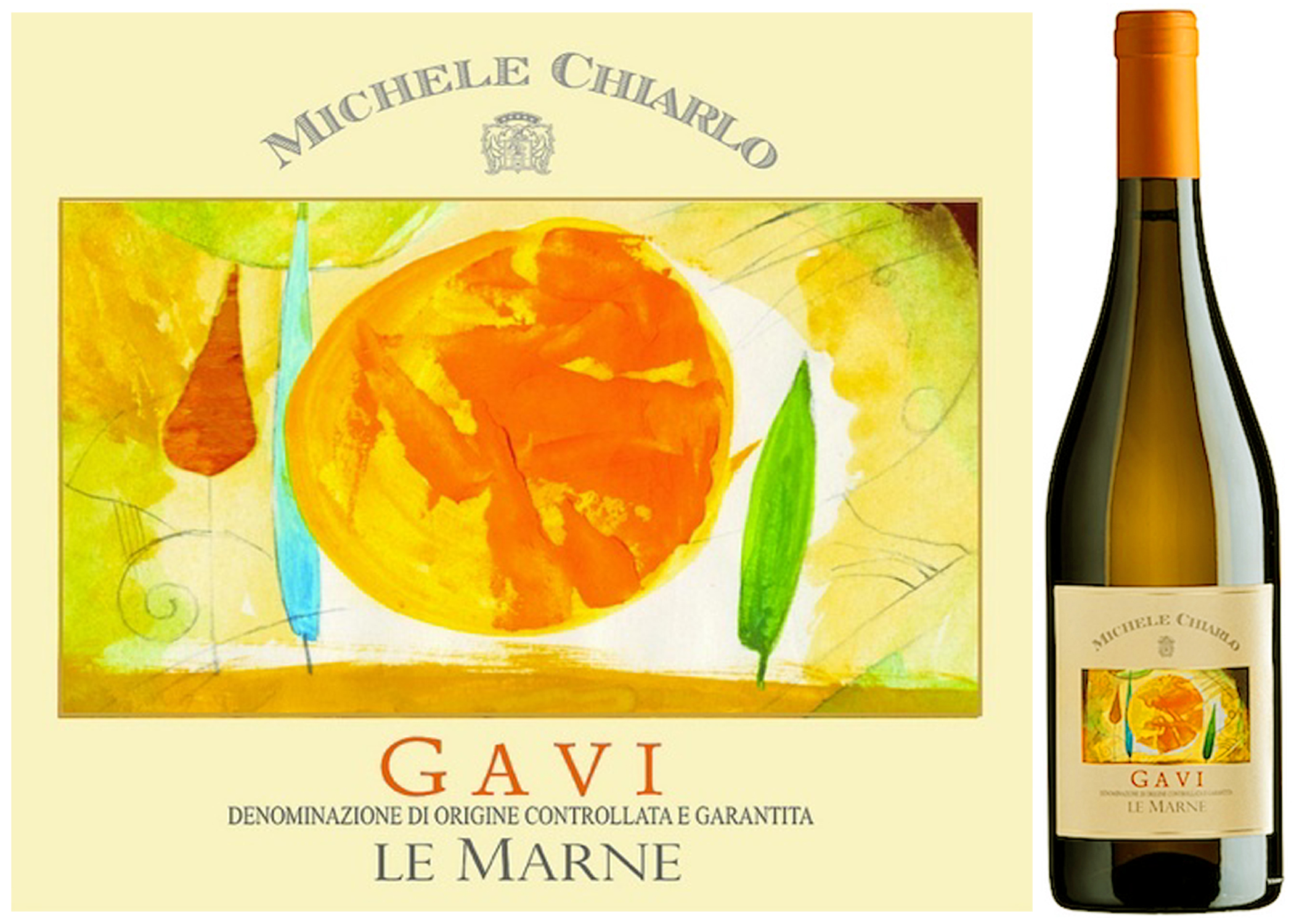
Gavi

MICHELE CHIARLO LE MARNE GAVI 2013
VINTAGES – LCBO Product #228528 | 750 mL bottle
Price $ 16.95
12.5% Alcohol/Vol.
Sugar Content Descriptor: XD

Made in: Piedmont, Italy
By: Michele Chiarlo Azienda Srl
Release Date: Feb. 7, 2015

Tasting Note
This crisp, dry white wine has many of the typical characteristics of the Cortese
grape including delicate notes of honey, apples, vanilla and a touch of minerality.
Try serving with stuffed trout, roast pork or vegetable and cheese ravioli.

Cannonau Alert

Founded in 1899 by two intrepid travelling immigrants who originally hailed from
Piedmont in the north-western corner of the Italian mainland, Eriminio Sella and
Edgardo Mosca provide the namesake for the century old Sella & Mosca winery.
The wine loving pair eventually arrived on the shores of Sardinia, second largest
island in the Mediterranean and quickly set to work establishing what has now
become one of the largest vineyard estates in Europe. The sprawling landscape
of 1,200 acres, just inland from the historic port city of Alghero, is purposefully
punctuated by extensive plantings of Oleander, Maritime Pine, Eucalyptus shrub
and Palms in order to maintain the property’s admirable level of bio-diversity.

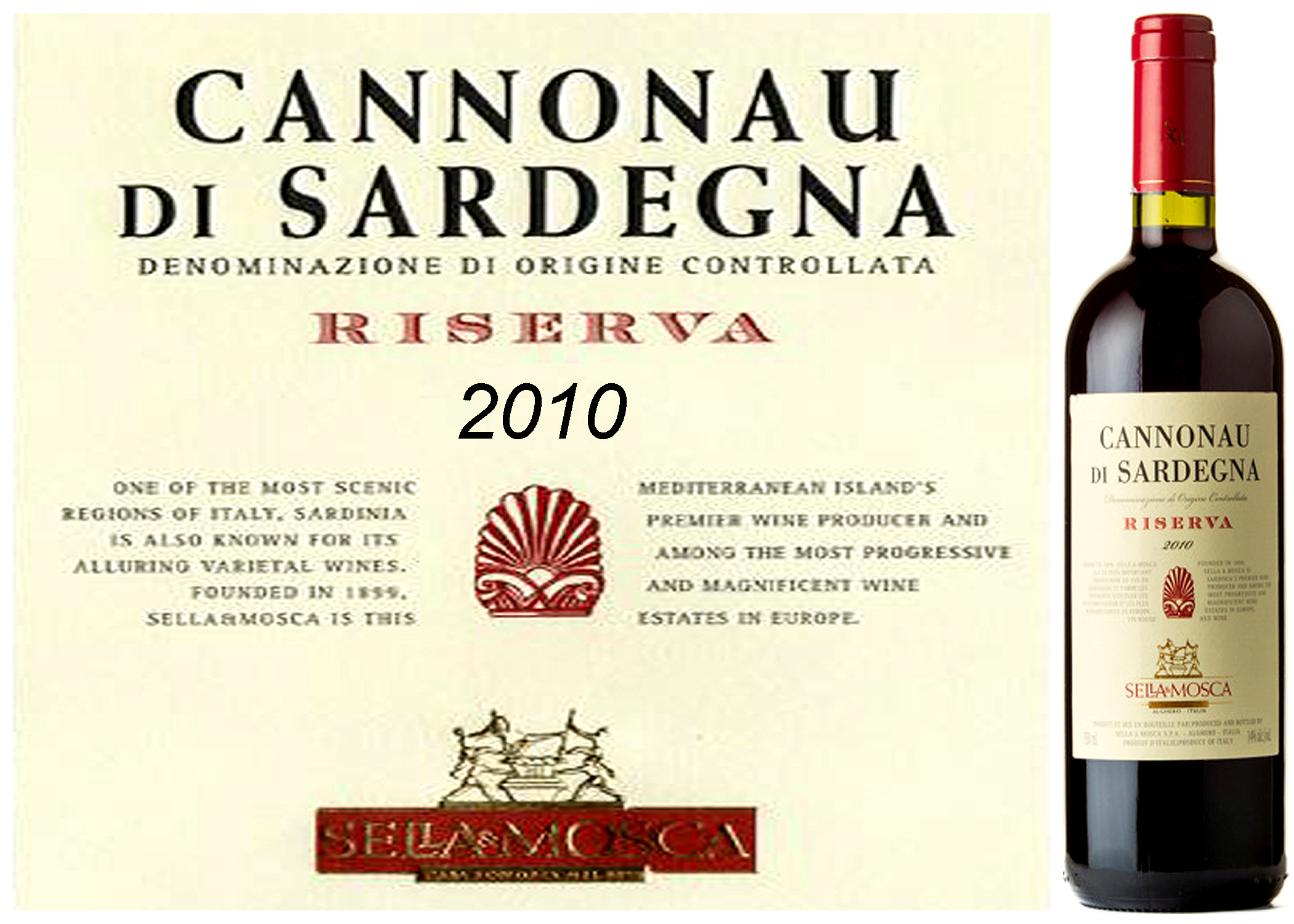
For this week’s DéClassé recommended bottling of Cannonau dI Sardegna,
the grape is Cannonau, better known elsewhere as Grenache, Garnacha or
Garnaxa. Traceable to the very early Middle Ages, Sardinians proudly claim that
this popular variety is indigenous to the island and was then proliferated about
the Mediterranean basin during the rule of the Kings of Aragon. Now among the
the most widely planted grapes in both the old and new wine growing world, this
version does have a distinct character due to the Sardinian terroir that includes
a unique combination of a warm climate with coastal clay and sand soils. Here,
vines are cultivated in a novel bush style rather than along the more traditional
trellis method, which with the benefit of the Grecale wind, tempers the growing
conditions and helps to minimize damage by insects and other biological pests
such as the Botrytis mold.

This Reserva-grade offering from 2010 has been aged for 2 years in very large
Slavonian Oak barrels. Renowned and much sought after for their tight-grained
characteristic, these vessels impart a more subtle accent of wood to the flavour
profile of a wine that’s best served alongside hearty foods. As an LCBO Vintages
‘Essentials’ listing, it’s on shelves year-long at consistent stock levels – so, should
it become one of your go-to favourites, it will be readily available.

Connau di Sardegna

CANNONAU DI SARDEGNA (V) RISERVA
VINTAGES – LCBO Product #425488 | 750 mL bottle
Price $ 17.95
13.5% Alcohol/Vol.
Sugar Content Descriptor: XD

Made in: Sardinia, Italy
By: Sella & Mosca
Release Date: Dec. 1, 2014

Tasting Note
This is a fairly traditional, Ruby coloured, medium-bodied wine with a good
complexity of red berry, fruit-forward flavours that will nicely compliment
red meat dishes, pork ribs, game of all sorts, pâté and strong cheeses.

Picpoul Alert

Pinet is a small coastal municipality in southwest France situated nearby to the
edge of the saltwater Thau Lagoon. Though only having a modest population of
around 1300, this is nonetheless the heart of the Picpoul de Pinet AOC. As
one of the proud members of this vibrant, historically rich, wine-producing region,
the Ormarine winery is a co-operative dating to the early 1920’s. This era also
saw the rebirth of other local vineyards that had to painstakingly recover from
the widespread decimation of their plantings by the Phylloxera pest earlier on.

Ormarine’s wine-growing area, within sight of the lapping shores and cooling sea
breezes of the Mediterranean, is a unique chalky-clay plateau rich in limestone,
quartz gravel and otherwise covered with Garrigue. This coastal vegetation is
made up of an assortment of small aromatic bushes, which like the local grapes,
have gradually adapted to thrive in the near-drought climate of summertime.
These growing conditions are fortuitously punctuated by late season humidity,
thereby encouraging the fruit to plump up, reaching full maturity before harvest.

A favourite style of the Emperor Napoleon III, these premium wines result from
the somewhat obscure, golden skinned grape originally called Piquant-Paul, later
as Picapulla and finally as Piquepoul. Translating as ‘stings the lip’, the moniker
references naturally high levels of acidity and mineral accents that distinctively
characterize this ancient variety. Used to create a dry and citrus-scented style
of varietal white wines, they are a perfect complement to shellfish as the fruit’s
acidity balances-off the saltiness. Generally food-friendly, Picpoul is also very
satisfying alone as a well-chilled apéritif offering with chocolates!

Ormarine

ORMARINE PICPOUL DE PINET 2013
VINTAGES – LCBO Product #525287 | 750 mL bottle
Price $ 12.95
12.5% Alcohol/Vol.
Sugar Content Descriptor: XD

Made in: Midi, France
By: La Cave de l’Ormarine
Release Date: Jan. 24, 2015

Tasting Note
A very lively wine style with lemony overtones and pleasant, refreshing grapefruit
flavor notes. Hints of minerality and the tangy finish make for an ideal partner to
oysters, crab, mussels, grilled fish or rich cheeses and charcuterie.