Unknown's avatar

About Stephan Droege

With a specific focus on characterful and overachieving wine in the $15 to $18 price-point range, DéClassé aims to expand the readers' taste and curiosity about a diversity of wine styles--while exploring the winemakers in a cultural and historical context. Thank you for visiting the site!

Sicilian Nero d’Avola

Shaped like an inverted triangle, the island of Sicily occupies a strategic position in the maritime laneways of the Mediterranean Sea, and so was targeted for conquest by many empires throughout the ages: Greek, Byzantine, and Norman. During the 2nd and 3rd centuries BCE, it was a buffer, then launch point in an epic clash between Rome’s navies and those of its arch-adversary across the sea to the south, Carthage. Though firmly a part of the modern Italian patchwork, its dynamic history and a diversity of influences have fostered a distinct culture; still thriving in a breezy and dry climate overtop a sun-drenched land that grapevines also love. As a result, Sicilians have always produced far more wine than could be consumed locally, prompting them to become experts in the export trade; first in clay Amphorae, then in large Fiascos (Straw-wrapped glass vessels), and to this day – in ships laden with caseloads of bottles!

feudo-arancio

Blessed with a wide range of indigenous, high-yielding grape varieties, generating large volumes of wine has never been a struggle; the objective of fashioning higher-quality grades has seen a lot of vacillation. In Sicily’s newest age of wine-making, the current generation has astutely settled on refining native grape stock and related finishing styles; rightfully offering their regionally distinctive, world-class wines at attractive and accessible price points. In the accomplished mid-range, you’ll find this DéClassé feature, Feudo Arancio Nero d’Avola 2014. The varietal wine’s namesake, Nero d’Avola (‘black grape of Avola’) has its roots in the southeastern village of Avola where it was developed as a highly localized cultivar. Gradually it spread across the island and found its way into the western corner and the Sambuca di Sicilia DOC vineyards. In the 20th century, the wine’s reputation of was summed up by less-discerning French vintners (who used it as an inexpensive bulk import) as ‘le vin médecine’ — having the desirable characteristics to bolster the colour/body of lightweight partners in blended wine, while still being neutral
enough not to overshadow them. In the 21st century, again astutely, it’s rich and fruity charms are being celebrated and allowed to shine on their own.

Beyond the complex achievement of bringing into the winery a mature harvest of the best grapes that the climate, the land, and its local stewards are capable of, other critical determinants between outputting so-called ‘bulk wine’ vs. ones of a more premium quality — is the amount of time, attention to detail, and additional steps that the winemaker is willing to exercise in the production process. One of those added steps is Malolactic Fermentation. Whereas primary fermentation is yeast converting sugar into alcohol, Malolactic fermentation sees the introduction of select bacteria to convert the tart Malic Acid found in grape juice into softer Lactic Acid. Depending on the innate nature of the source grapes and the age of the vines, this often-finicky production step can have a pronounced impact on the wine’s balance; translating into a more rounded mouth-feel and expanding the sensory perception of the wine’s complexity. In white wine, it also yields buttery aromas/flavours; in overly fruity red wines, it makes them less so.
In the case of this bottling, I’ll speculate that the compensation is necessary due to the fruit being drawn from somewhat younger vines. Regardless of the exact motivation, this Nero d’Avola has reaped the benefits: it’s nicely rounded; it’s soft while still possessing an identifiable character; it’s surprisingly layered; it’s $14.95!
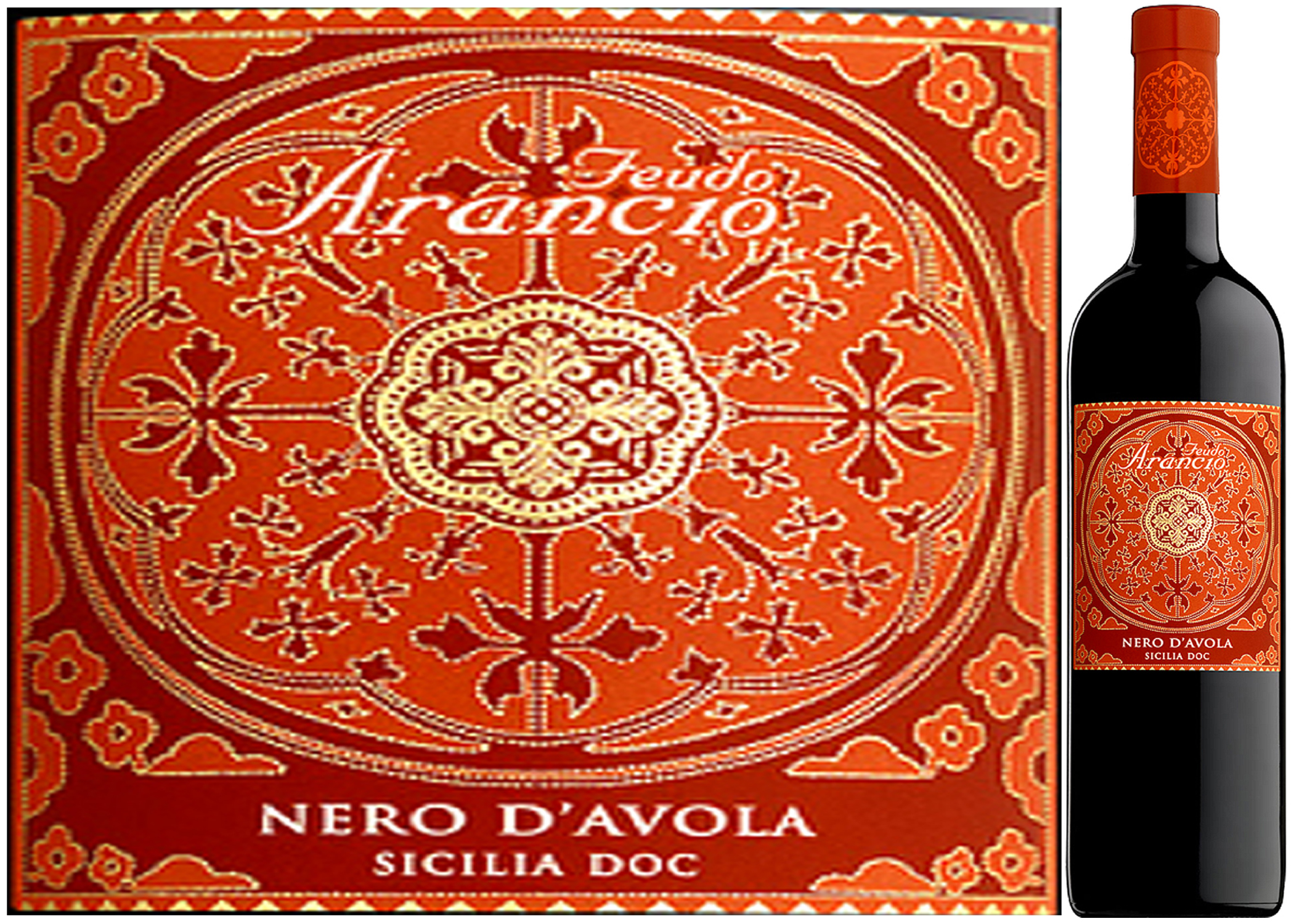
feudo-arancio

FEUDO ARANCIO NERO D’AVOLA 2014
VINTAGES – LCBO Product #412668 | 750 mL bottle
Price $ 14.95
13% Alcohol/Vol.
Sugar Content Descriptor: D

Made in Sicily, Italy
By: Cantine Mezzacorona
Release Date: September 17, 2016

Tasting Note
This is a medium-bodied, concentrated wine with pomegranate, strawberry and currant aromas and flavours, accented by some nutty notes. As an apéritif, it pairs well with smoked cheeses, Prosciutto and Bruschetta or with mains of grilled lamb and fresh pea Risotto, eggplant with capers and olives or veal rolls stuffed with pine nuts and raisins.
Niagara Gewürztraminer

In the context of the wine world’s long-established regions, 30 years or so spent labouring on their vineyard tracts barely registers/qualifies as a tradition. At the most, it represents one family generations worth of aspiration, and one cycle of patiently coaxing fledgling vine stock from the nursery through to full maturity in the vineyard — before a definitive evaluation of its success, or not, can be made. Selecting suitable varieties and developing localized cultivars for any given terroir is further complicated in our times due to a shifting climate. For diligent winemakers, there are few shortcuts in this multi-faceted process; it’s a tough, all-consuming vocation where an unwitting miscalculation by one generation falls onto the shoulders of the next to redress/revision over the next 30 years. So perhaps it is with the history of the Pennachetti’s, a very hard-working and inspired immigrant family whose earliest patriarch, Giuseppe, emigrated from Fermo in central Italy to Canada’s Niagara region in the 1920’s. Having broken ground while contributing to the building of the Welland Canal in his working life, he would also go on to establish the family’s first modestly-sized vineyard; as a hobby in his ‘retirement’. Arguably, the misstep was to cultivate Labrusca grapes. Commonly known as Concord, this hearty variety does produce good table grapes and sweet juice but doesn’t have the capacity to yield premium wine. However, what was gained in the experiment, was the training of his grandson, Leonard Pennachetti, in the rudiments of viniculture!

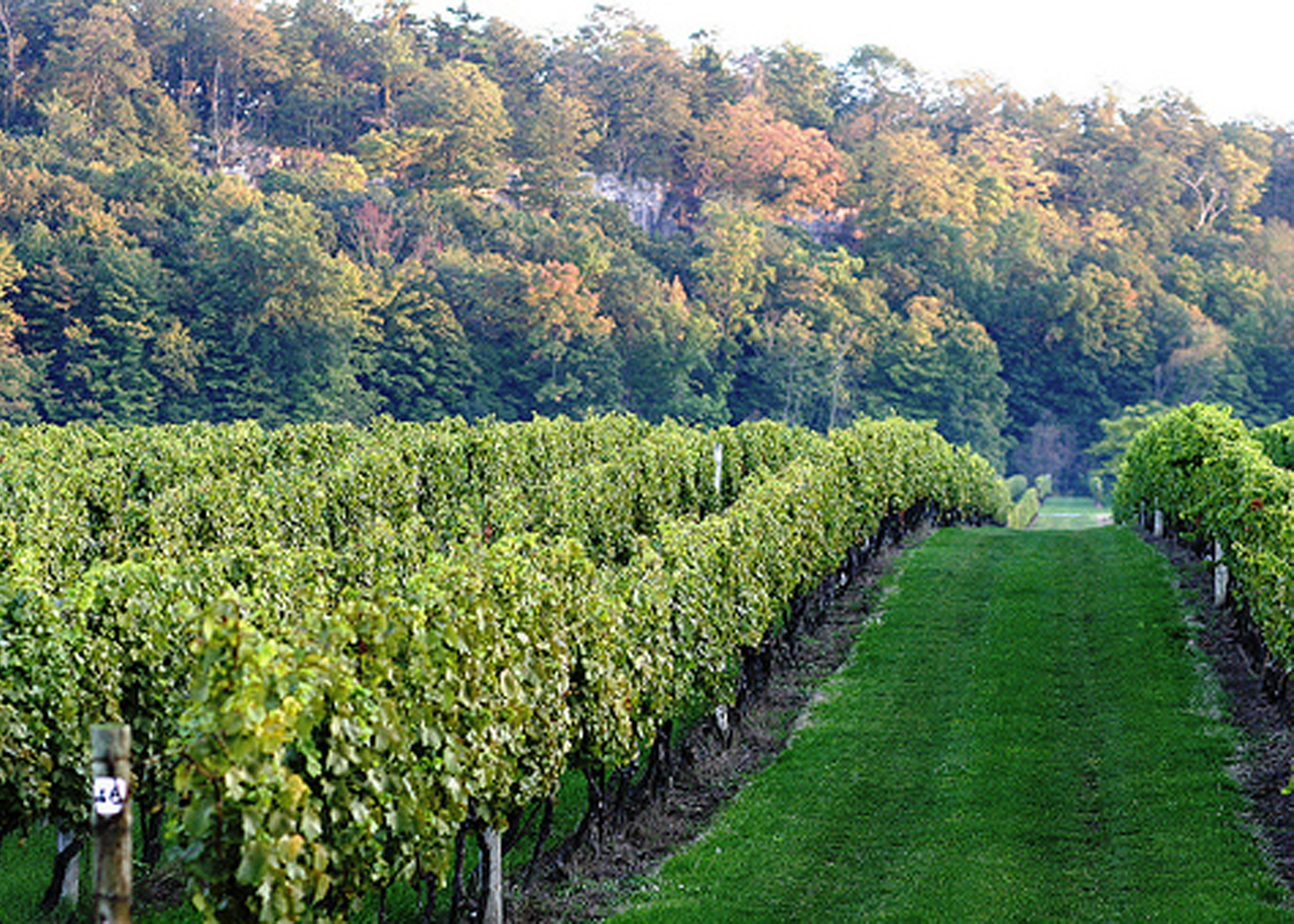
cave-spring-vineyard

What is true of one family’s challenges and hard-won experience in developing their winemaking business, is generally true for the larger region; particularly, if it’s an emergent one. What’s far more established, rising upward just inland of the Lake Ontario shore, is a 450 million-year-old geography called the Niagara Escarpment. With an overall length of 750km, the section closest to Niagara is a fossil-filled prominence whose eroded Limestone hillsides and lake-tempered climate combine as desirable conditions for grapevines. If you’re a variety called Gewürztraminer, and if you’re lucky enough to be grown in the Beamsville Bench area, then you’ve found your paradise. Moreover, if you end up in a bottle labeled Cave Spring Estate Bottled Gewürztraminer 2013, then you’ve become a compelling example of all that’s right about your new home and those who are responsible for steadfastly having made it so – the Pennachetti’s.

Anointed as the ‘King of aromatic grapes’, Gewürztraminer (‘spicy Traminer’) is a hybrid variety that evolved from a more neutral parent, Traminer, in France’s Alsace and Germany’s Pfalz regions. Along with distinctive aromas and flavours, this white wine’s deep yellow colour and golden highlights result from the surprising red skin of the fruit. Early-ripening, it does well in cooler climate terroirs, though does develop more robust flavours in slightly warmer regions. As evidenced in this bottling, the Niagara zone lies somewhere in the middle. I’m thrilled to feature a wine that satisfies the strict DéClassé criteria of being ‘noteworthy and overachieving in the $15 – $18 price range’. Here, this is undeniably the case, thanks to the long-term commitment by the …………!

cave-spring

CAVE SPRING ESTATE BOTTLED GEWURZTRAMINER 2013
VINTAGES – LCBO Product #302059 | 750 mL bottle
Price $ 17.95
13% Alcohol/Vol.
Sugar Content Descriptor: MD

Made in Ontario, Canada
By: Cave Spring Cellars Inc.
Release Date: September 3, 2016

Tasting Note
This ‘new world Gewurtz’ is pleasingly restrained and balanced. The winemaker has settled on a medium-bodied version that has most of the tell-tale traits such as rose, lychee and orange zest aromas, stone fruit flavours accented by citrus and spice, and just enough of the viscosity that one expects in this varietal wine style. Serve well-chilled as a compliment to a variety of Asian cuisine including grilled cilantro chicken, Pad Thai with shrimp, hot and sour soup or with Italian fare such as pasta carbonara, and brie, speck, and porcini pizza.

Corbières GSM

Prominently displaying the dramatic Visigoth symbol dating to the 7th century, later referred to as the Languedoc Cross or Cross of the Cathars, this vintner’s apt bottle emblem also incorporates 2 white doves drinking from a single cup; representing the traditions of sharing and spiritual communion. Begun by father Georges Bertrand, a winemaking pioneer in Languedoc who worked diligently to foster a spirit of cooperation between local growers in the 1970’s, this family has consistently been at the forefront of quality development for a broad range of well-suited grape varieties, yielding a host of regionally distinctive wine styles. As of 1992, the inherited philosophies/vision continue to evolve under the dynamic stewardship of the founder’s son, Gérard Bertrand, who also provides the highly recognizable namesake for a burgeoning portfolio of vineyard estates and their related sub-brands. As an avowed champion of L’Art de Vivre, which
celebrates the local foods, wine, and Mediterranean culture of southern France, the Bertrand Winery has based their production facilities in the regional center of Narbonne and are impressively now exporting to 70 countries, worldwide!

corbieres-map

The South of France is playfully described as a European wine lake, containing 40% of the country’s vineyards. The process of replacing traditional high-yielding grapes with lower yielding varieties, to produce smaller quantities of premium wine, continues. What also carries forward, is that the wine being offered by Languedoc-Roussillon vintners remains comparatively inexpensive and a benchmark of outstanding value. Taking a pride-of-place among recent examples, this DéClassé feature of Gérard Bertrand Terroir Corbières certainly delivers on the expected rich, fruit-forward character that’s typical of the source region, while also being marketed at a delightfully discounted rate of $16.95 – down several dollars from the last recommended vintage in 2014.

This bottle’s blending of Grenache, Syrah and Mourvèdre marks some of the traditional output from a rugged landscape where no other commercial crops thrive except for grapevine. Having achieved an AOP classification in 1985, the terroirs that collectively define the Corbières sub-region are framed between the foothills of the Pyrenees to the southwest and Montagne Noire (Black Mountain) further north. In a variable mix of geology and microclimates, stressed by the wind, heat and poor organic soil, the surprising conduciveness of this land for grapes is demonstrated, near harvest time, like a rippling sea of lush green vine leaves crowning the plump clusters of fruit. White Limestone outcrops, spiky Garrigue (wild herb-like bushes), lines of Cypress tree windbreaks and sunbaked Terra Cotta tile-capped stone houses complete the characterful portrait of Corbières.

As with the free-spirited land, wine producing regulations are less stringent thaN in the neighbouring Burgundy or Bordeaux regions, allowing for a broader range of cultivation practices, permissible grape varieties, and blending proportions. The best Corbières wines can now claim a unique standing among other long-established appellations, and though you’ll find this prolific winery on the regular LCBO shelves, this limited release is only in the Vintages section — emblazoned with a remarkably modest sticker price!

Corbieres

GÉRARD BERTRAND TERROIR CORBIERES 2013
VINTAGES – LCBO Product #394288 | 750 mL bottle
Price $ 16.95
13.5% Alcohol/Vol.
Sugar Content Descriptor: XD

Made in Roussillon, France
By: Gérard Bertrand
Release Date: August 20, 2016

Tasting Note
As a blend of 3 fulsome grape varieties that have evidently reached full maturity before harvest, this is a herb-tinged, fruity wine style that’s best for heartier food fare such as stuffed peppers, meatballs in a spicy tomato and olive sauce, grilled meats. Or if slightly chilled, as an apéritif alongside ripe cheeses.

Côtes Catalanes Chardonnay

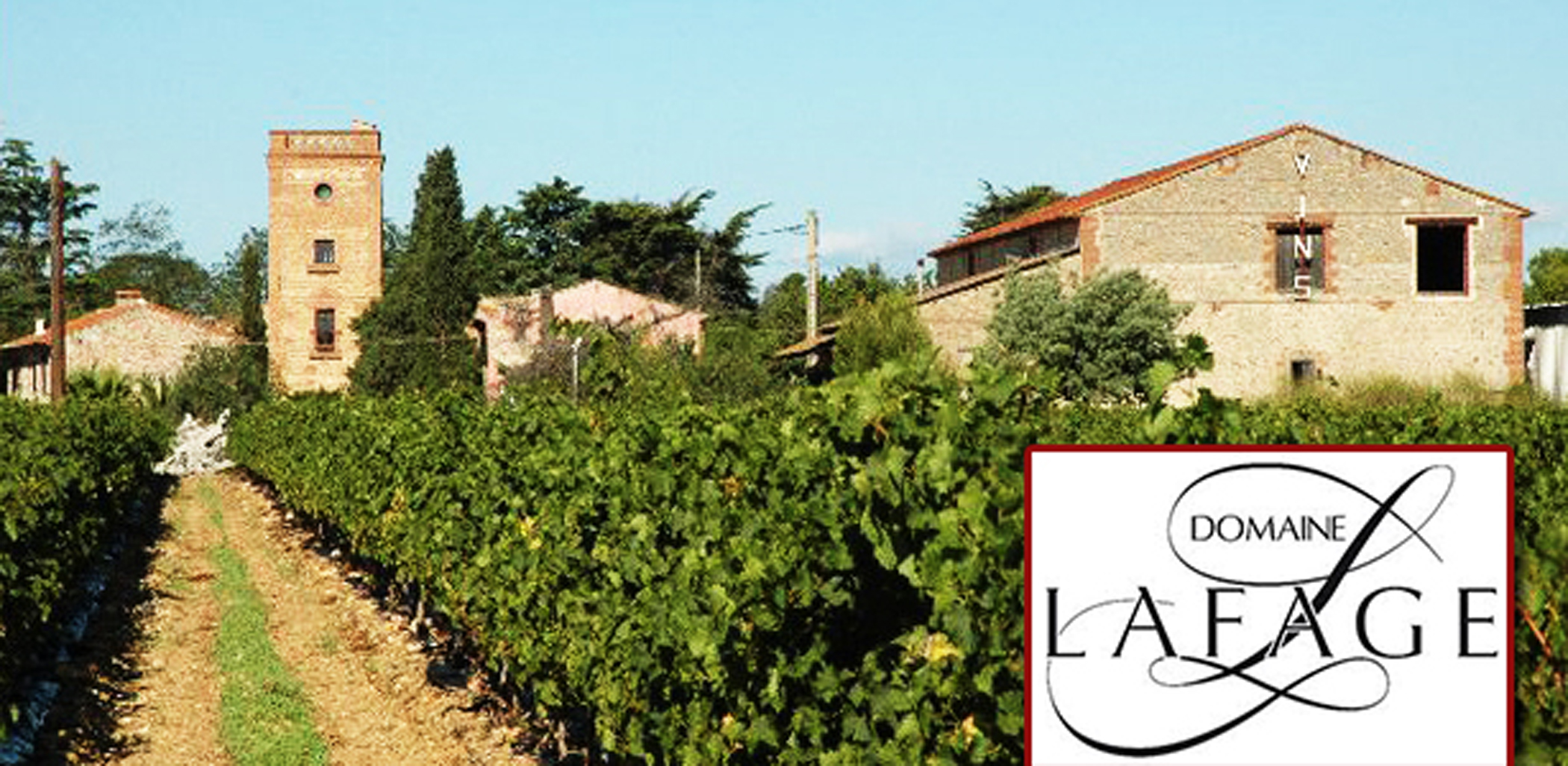
Here in the sunniest corner of southwestern France, after an earlier period of working for other wineries abroad, Jean-Marc Lafage and partner Eliane have followed his father’s winemaking footsteps; the sixth generation to steward a collection of historic vineyards in various pockets of Roussillon. Their property in the Côtes Catalanes IGP (Indication Géographique Protégée) is by definition a mid-tier classification, lying between the coveted AOP and the generic Vin de France designations of the French grading system. However, in the case of this vintner’s inspired practices, the less-stringent guidelines and fewer entrenched traditions for fashioning blended white wine (in a region still better known for its reds and rosés) allows for a more flexible year-to-year recipe for selecting the proportions of the 23 authorized grape varieties. For this week’s DéClassé featured Domaine Lafage Cadireta Blanc 2014, the somewhat novel blend is 95% Chardonnay and 5% Viognier, with a third of the batch having been fermented in new Burgundy barrels and left to rest on its lees (expired yeast).

Flourishing in a diverse set of global regions, Chardonnay can be finished in a broad range of styles. In Languedoc-Roussillon, apart from generally being a hot and dry zone that yields fully mature grapes, the easy-drinking Chardonnay style being produced is decidedly on the lighter and fresh side of the sliding scale. 45 years on from the region’s comprehensive overhaul that was begun in the early 1970’s, which saw the replacing of unremarkable vine stock with Noble Grape varieties such as Merlot, Cab Sauvignon, Chardonnay, and Viognier, there’s also been a steady advancing of quality while keeping prices competitive/attractive. At $16.95, this bottle exemplifies these facts, gloriously!

domaine-lafage2

Roussillon’s Mediterranean coastal areas are among the windiest stretches in south France, which can be both a blessing or curse depending on other factors and climate cycles in any given year. The five converging winds of the Scirocco, Cers, Autan, Marin, and Le Vent Tramontane that blows from the north-west, can provide a respite from the sometimes intense heat of the summer months; guard the vine stock against the proliferation of pests and disease, or in the case in 2014, be the bearer of calamitous hail and heavy rain storms that stunted harvests in the region. Fortunately for Domaine Lafage, their 20-year-old vine stock was largely spared the devastation. Fortunately for
lovers of un-doctored, mid-weight Chardonnay, the September harvest produced a noteworthy vintage of approx. 5,000 precious cases.

If you’re an informed LCBO Vintage’s customer, then you already know that the few cases which made it here will sell-out quickly. If you’ve waited for a recommendation, then it might well be too late to find some. Nonetheless, be encouraged; the 2015 vintage may prove to be even better – next August!

Lafage

DOMAINE LAFAGE CADIRETA BLANC 2014
VINTAGES – LCBO Product #448472 | 750 mL bottle
Price $ 16.95
13% Alcohol/Vol.
Sugar Content Descriptor: XD

Made in Midi, France
By: Domaine Lafage
Release Date: August 6, 2016

Tasting Note
Featuring some delightful flavours and aroma notes of banana and tropical fruit, this also has the tell-tale vanilla accent of classic French Chardonnay. Try serving as a well-chilled aperitif with mixed charcuterie/cheeses, smoked ham, crostini, moules-frites or with mains of roast veal, lamb tagine, and mild curries.

Cariñena Garnacha

At some point toward the end of the Iron Age, Celtic-speaking peoples from Gaul began to migrate south across the snow-capped Pyrenees mountains and their permanent glaciers, settling into the rich pasture lands and forested valleys of northern Iberia. Along with providing the basis for a new language, Celtiberian, they’re also reputed to have brought with them a peculiar and potent recipe for fermenting wine blended with honey; resulting in exceptionally high levels of alcohol content. As historical conjecture, this might be seen as a premonition for the vacillating reputation of Spanish wines during most of the 20th century. Nonetheless, throughout all its ages of experience and experimentation, Spain’s vintners have always produced some exceptional red and white wines; fashioned from a host of characterful, largely indigenous grape varieties. What has more uniquely evolved in the course of the last quarter century, is the commitment by a cadre of younger winemakers to increase, markedly, the proportion of quality wine vs. the bulk volume that was common practice in the past. Gracias España!

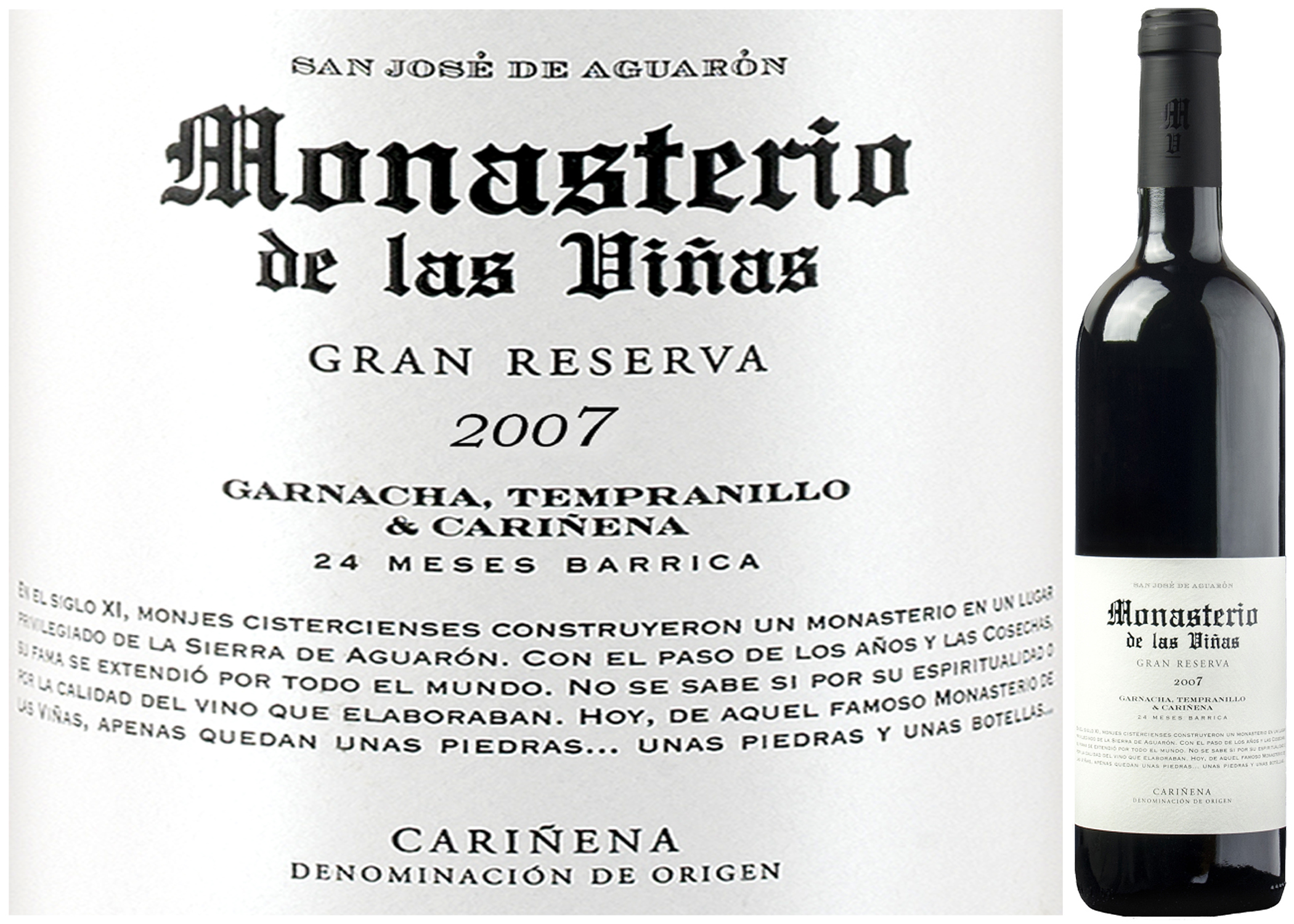
monasterio-de-las-vinas

Blessed with various soil types; a continental climate, whose extremes of day to night temperature shifts are tempered by the Cierzo wind; abundantly irrigated by the Ebro River and its tributaries, this dynamic landscape is agriculturally well suited to livestock grazing, grain production, fruit orchards, and grapevines. The rich potential attracted Roman and Moorish conquest before consolidating and prospering in the Middle Ages as the Kingdom of Aragón. Modern-day Aragón has remained an autonomous territory within Spain’s federated patchwork, and centered in its three provinces; Zaragoza is the prolific heartland of its winemaking. For this DéClassé recommended Monasterio de las Viñas, Gran Reserva 2007, the source lies 50km south of the provincial capital in Cariñena. Among many distinctions, the Cariñena DO was the first Spanish sub-region to earn and be granted official status in the 1930’s. In turn, the Cooperativa Viticola San Jose De Aguarón is one of the oldest of five grower’s cooperatives who produce and market their wines under the innovative umbrella group, Grandes Vinos.

This featured bottling is a robust blend of 60% Garnacha Tinta, 10% Cariñena, and 30% Tempranillo, with fruit harvested from mature 40-year-old vine stock. The clay soils of the Aguarón vineyards provide critical water retention and lend character to the wine; the rocky overburden provides the distinguishing moniker of Vino de las Piedras (‘wine of Stones’). To qualify as Gran Reserva , this blend spent 24 months in a mix of French and American Oak barrels, then another 36 in bottle before being eligible for release. In Cariñena, 2007 is on record as a noteworthy vintage, whereas forecasts for the pending arrival of the 2008 bottling are far less favourable/assured. So, despite being an LCBO’s ‘Vintages – Essentials’ listing that’s available year-round, you might want to stock up on enough of this amply charming version to side-step the next one!

Monasterio

MONASTERIO DE LA VINAS GRAN RESERVA 2007
VINTAGES (‘Essentials’) – LCBO Product #82024 | 750 mL bottle
Price $ 17.95
13% Alcohol/Vol.
Sugar Content Descriptor: XD

Made in Cariñena, Spain
By: San José de Aguarón
Release Date: July 23, 2016

Tasting Note
Medium-bodied and smooth, this mature red has a lively edge to its mix of dark berry aromas and flavours, accented by the expected Eucalyptus notes. In having achieved a balance of acidity and tannins, this bottling could transition seamlessly between a hearty aperitif to dinner wine offering. Try serving with a spicy sausage Paella, braised lamb or roasted vegetable Ratatouille.

El Bierzo Mencia

Tucked away in the autonomous province of León, the Bierzo DO region is at the forefront of emerging, Spanish winemaking frontiers; having quickly evolved into a reliable source of some of its most distinctive and qualitative wine. What’s far more longstanding are the Roman-era gold mines, the Templar Castles, and a host of medieval monasteries who are markers for the famed pilgrimage path, Camino de Santiago. Collectively, the various small valleys of El Bierzo make up the upper basin of the Sil River system that’s framed by the Montes de León and Cordillera Cantábrica mountain ranges. Acting as a Geographic funnel into the verdant northwest corner of the Iberian peninsula, it’s become aptly known as the ‘gateway to Galicia’, which in turn is characterized as the ‘green Spain.’ Though a relatively small and lesser-known Spanish region in the international wine market, Bierzo’s reputation is doubly rising due to its unique, microclimate mix of Atlantic and Mediterranean influences; serving to moderate each other’s extremes; making the conditions equally conducive to cultivating both red and white wine grapes. Capitalizing on this natural blessing, the 55 Bierzo bodegas are impressively outputting 11 million litres of wine annually, and with a current trend of rehabilitating older, under producing plots, their expansion continues.


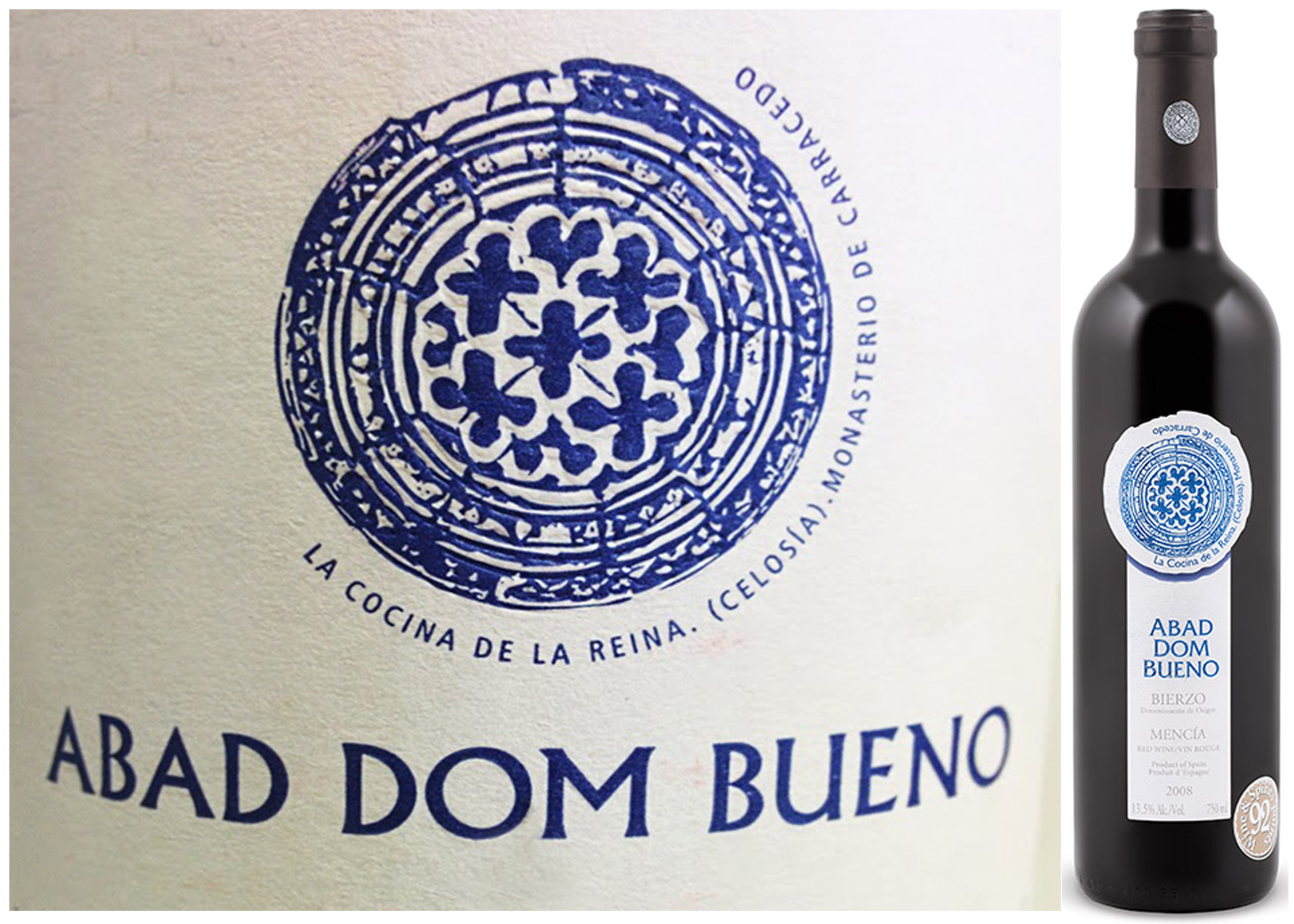
Though taking an inspiration for its name from the adjacent abbey, Monasterio de Santa María de Carracedo that dates to the 10th century, the Bodega del Abad (‘the Abbot’s Cellar’) only became active as an independent producer in 2003. Initially developed under the guidance of a local, legendary wine master, José Luís Santín-Vázquez, the bodega already boasts a loyal following that was struck by a surprising release of a 2001 Crianza-grade cache of their earliest vintage that had been hiding somewhere in the back corners of their cellars. This week’s DéClassé feature of a 2008 bottling is also a surprising re-release that’s being offered for a 3rd consecutive year. Evidently, the current vintner, Miguel Tienda, has exercised discretion in evaluating the character of this particular vintage that’s been settling for eight years now. Unsurprisingly, it’s now decidedly mature, so is soft and rounded, but surprisingly again, it also possesses fruitful vigour, some mineral streaks, and an enlivening acidity.

These attributes point to a wine-making accomplishment; due in part to modern production techniques, but also revealing the innate potential of Mencia. Indigenous to Bierzo, and with a significant increase in plantings, the variety has joined the list of the four most important Spanish red wine grapes: Tempranillo, Garnacha, and Monastrell. Producing compact grape clusters of medium-sized, violet-blue berries, its renaissance of popularity is bolstered by an ability to yield age-worthy wine at relatively modest price points. 35 hectares of this bodega’s vineyards are located up on steep terrain made up of slate and quartzite laden soils where the mix of old vines, with some approaching 70 years-of-age, are still yielding characterful fruit. When meticulously handpicked and sorted, as they are at Del Abad, the harvests are creating characterful, velvety wines.

This bottling is ready to go now, and as the vintner has done the expert work of ageing it under ideal storage conditions, it just might hold for several more years in your cellar. It will likely fly off the shelves quickly as word of this resurgent gem spreads, so if you’re not an optimist when it comes to storing wine, then just buy enough to get you through the summer and deep into Fall (maybe winter too)!

Abad Dom Bueno

ABAD DOM BUENO MENCIA 2008
VINTAGES/LCBO – Product #291989 | 750 mL bottle
Price $15.95
Alcohol/Vol. 13.5%
Sugar Content Descriptor: XD

Made in Bierzo, Spain
By: Bodega Del Abad
Release Date: July 23, 2016

Tasting Note
Though gracefully aged, this still offers juicy red cherry and currant flavours with a vanilla accent. A refreshing acidity enhances the core of soft tannins, so could stand to be slightly chilled before decanting. Try serving with rich poultry dishes, a roasted leg of herbed lamb, marinated steak or with spicy beef empanadas.

Loire Sauvignon Blanc

The Loire River Valley in west-central France has a long history of being a geographical and political demarcation line. In the 1st century, Imperial Rome used it to sub-divide their occupation of Gaul into two large areas: Aquitania to the south, and Celtica to the north. With the demise of the empire, Val de Loire continued to act as a borderland, separating the southern territories controlled by the ‘barbarian’ Visigoths, and the Gallo-Romans who renamed their northern realm as Syagrius. During the Middle Ages, and perhaps most famously, English Plantagenet King, Henry 2nd ruled the north while his erstwhile wife, Eleanor, held sway in Aquitaine. Spanning these diverse historical periods is a steady, unifying development of viniculture; eventually taking pride-of-place in the landscape and providing the modern-day Loire with an appropriate moniker, ‘garden of France.’ Winemaking legend suggests that a 4th-century monk, Saint-Martin, was first to introduce suitable vines for the terroir, and to promote an early form of pruning practice by having his donkey graze in the monastery vineyard; to strip the vines of their lower leaves and buds. It’s a critical cultivation step, where the limiting of harvest yields results in far more concentrated grapes and flavour. Nonetheless, the Loire’s vintners still manage to produce about 400 million bottles annually, with varietal Sauvignon Blanc output accounting for a large share of the total.

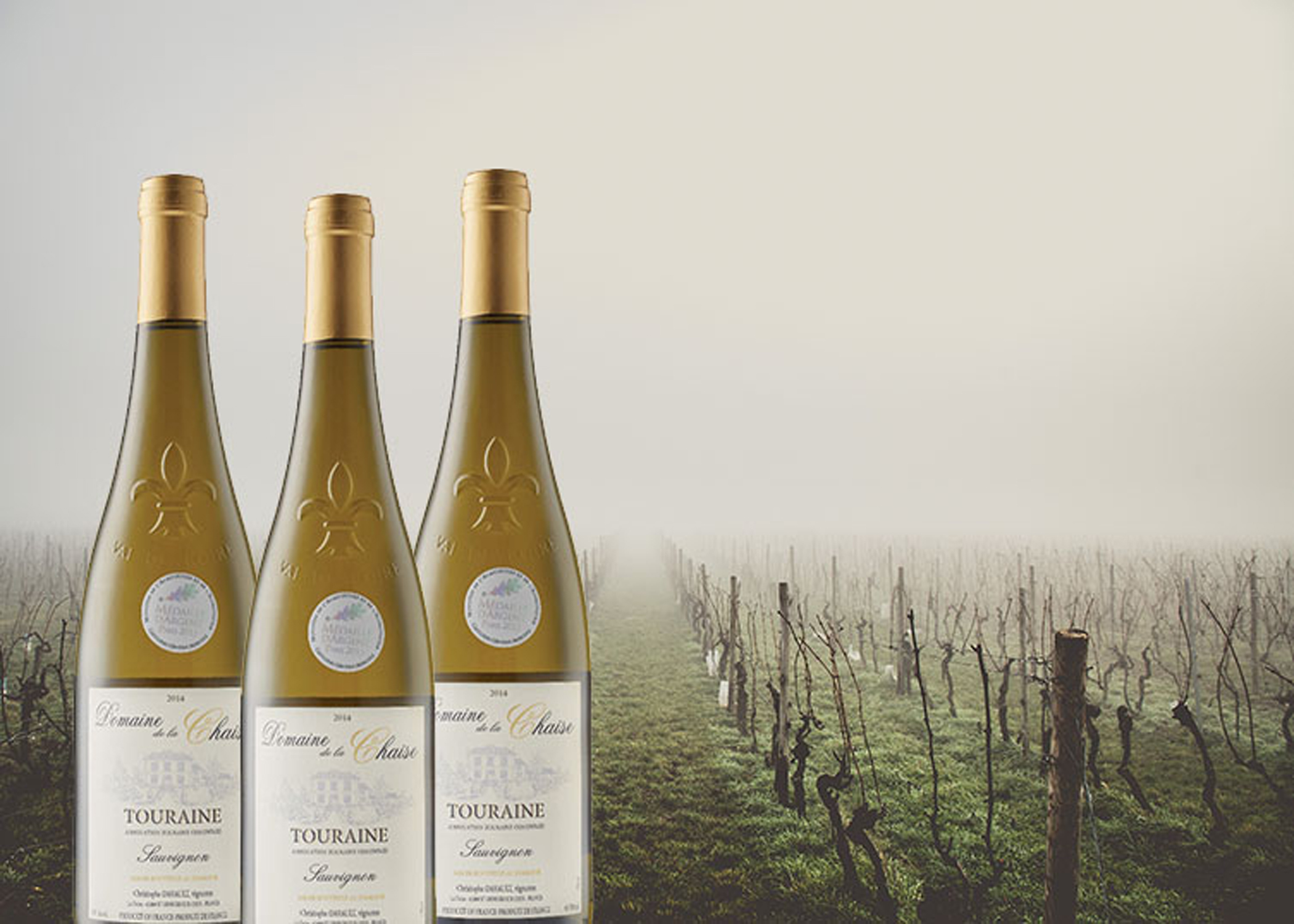
domaine-de-la-chaise-touraine

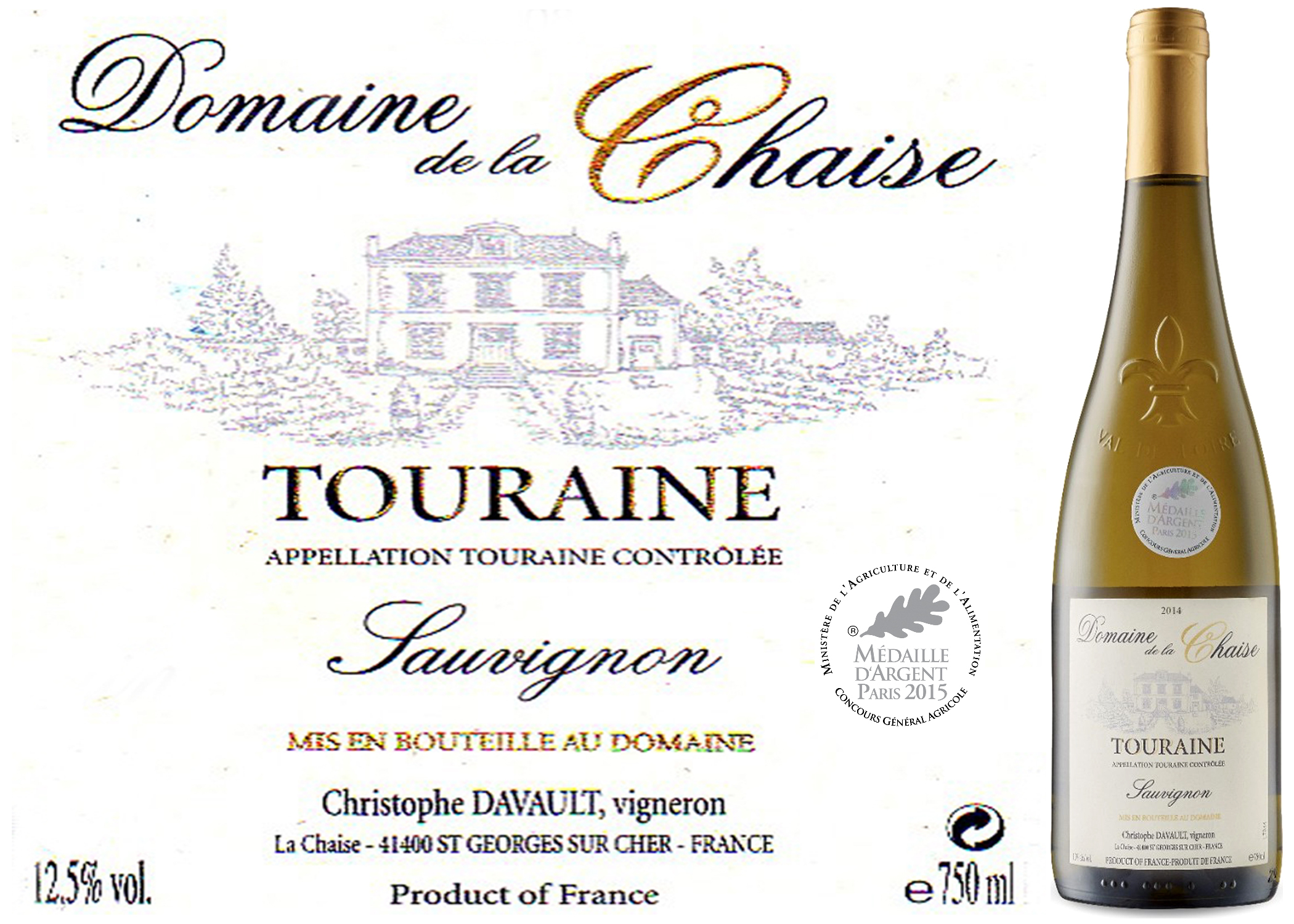
Centered on the city of Tours, the sub-region of Touraine is located where the valley’s namesake river meets two of its numerous tributaries; Cher and Indre. In turn, these fertile river junctions, the Indre-et-Loire and Loire-et-Cher, encompass 146 communes and an expansive list of winemaking châteaux that qualify for Touraine AOP designation. Among them is this DéClassé featured, Domaine de la Chaise and their Touraine Sauvignon 2014. Drawing fruit from vineyards that lie near the postcard-famed, white Château de Chenonceau, pedigree, and high standards are not in short supply!

Likely to have originated next door in Bordeaux, the Sauvignon Blanc variety is widely planted throughout the world and highly adaptable to a range of climates such as Chile, North America, and New Zealand. In the Loire’s maritime conditions, its characteristics of budding late, then ripening early, makes for a benchmark Sauvignon white wine that’s delicate, nuanced and balanced. At Domaine de la Chaise, they’re offering a refined example at a modest price. If you’re not a fan of overpriced, over-ripe and grassy Sauvignon, I suggest buying 3; to dispel your negative predisposition permanently!

Domaine de La Chaise

DOMAINE DE LA CHAISE TOURAINE SAUVIGNON 2014
VINTAGES – LCBO Product # 452540 | 750 mL bottle
Price $ 14.95
12.5% Alcohol/Vol.
Sugar Content Descriptor: XD

Made in Loire, France
By: Christophe Davault
Release Date: July 9, 2016

Tasting Note
Refreshing, fruity and pleasingly tart, this is a classic Loire Sauvignon Blanc with citrus and subtle honeysuckle aromas. Grapefruit and pineapple flavours mark a medium-bodied wine with some restrained, herbaceous notes left to the finish. Try serving alongside a fresh pea risotto, arugula salad with a lemon vinaigrette or with cold shrimp, lobster, and crab cakes.

Côtes-du-Roussillon Villages Syrah

In terms of cultural history, Les Roussillonnais of southwest France arguably have as much in common with their Catalan neighbours in Spain as they do with their Occitan-speaking cousins in the adjacent territory known as Pays de Langue d’oc (Languedoc). Through most of the medieval period, Roussillon vacillated as a border region between these two peoples though was mostly ruled by the Counts of Barcelona as a part of Catalonia; in the modern age it has deferred to its French heritage and become bound up in Languedoc-Roussillon. More than just a political marriage, it’s a hybrid of Mediterranean shore lands and craggy inland geography; framed by the Rhône River Valley eastward, and the Pyrenees that divide Spain and France to the west. The wine world, however, still references these twinned regions as separate sets of distinct winemaking terroirs, and so we should!

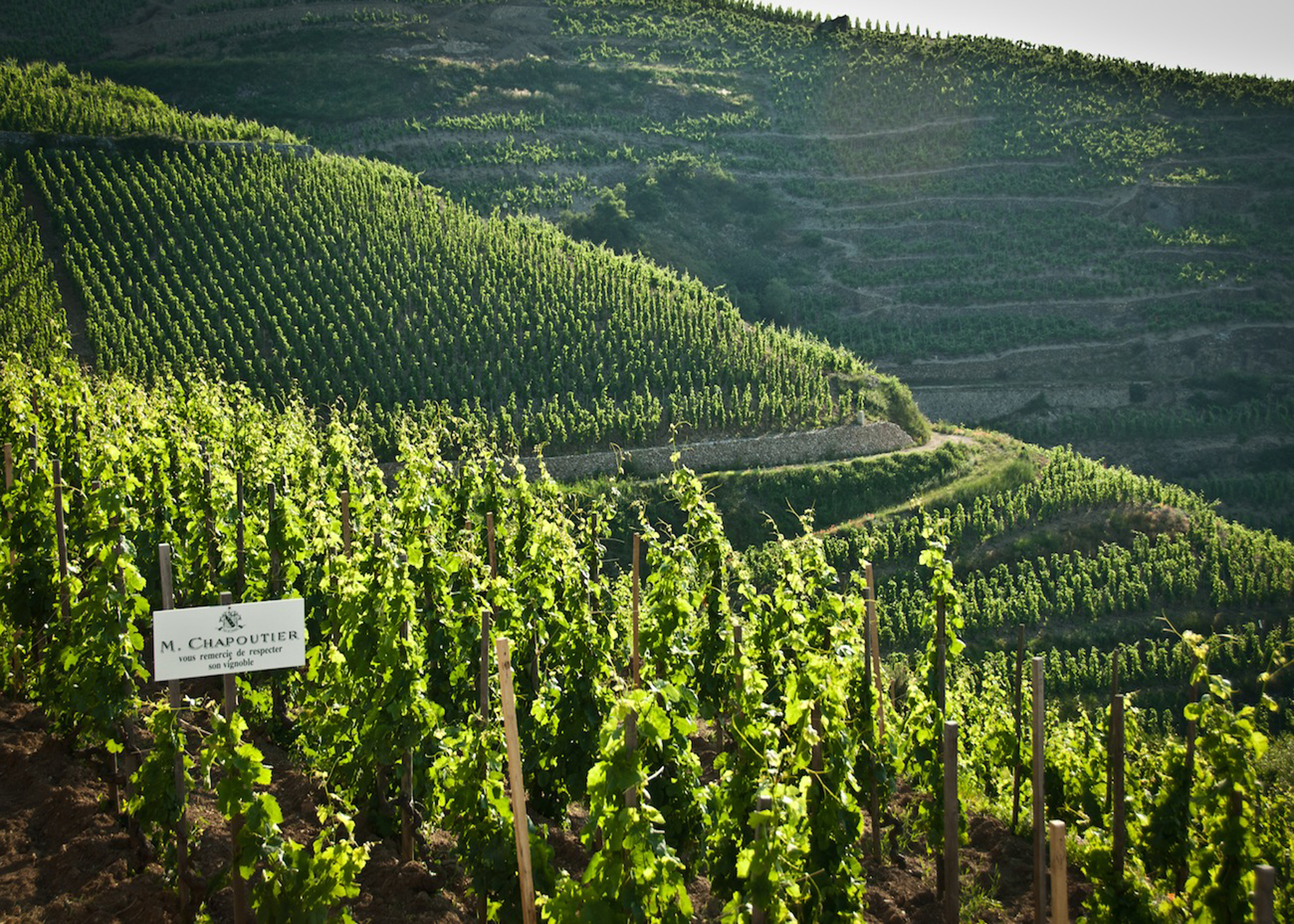
Originally founded at the turn of the 19th century, the Maison M. Chapoutier has progressively built up and expanded its broad portfolio of mature vineyards next door in the Southern Rhône. In recent decades, it continues to forge ahead with developing new properties and partnerships in various parts of Roussillon while also applying organic growing practices. For this bottling, the fruit comes from younger plots in the Côtes-du-Roussillon Villages AOP. Part of the hilly, northern reaches of Roussillon, the appellation encompasses 32 towns in one of the sunniest areas of France — where cool winters, hot summers, moderate levels of rainfall, and the drying Mistral breezes combine to create peak growing conditions for the dark-skinned grape varieties now thriving here.

maison-chapoutier

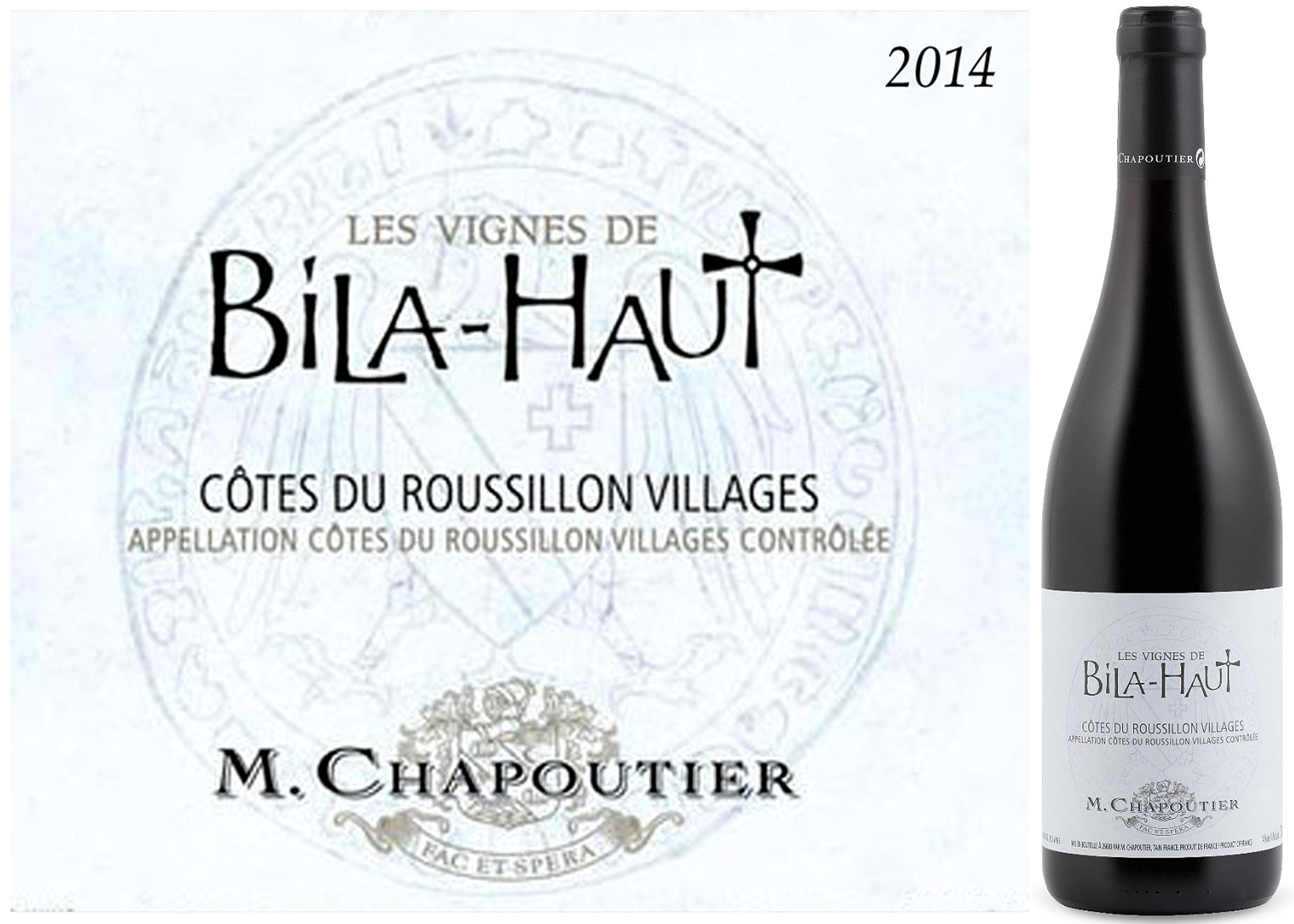
Clinging to slopes of the high Agly Valley, terraced vineyards are the source for this weeks’ DéClassé feature of Vignes de Bila-Haut 2014. Poetically described by vintner, Michel Chapoutier, as ‘an old plot of land, rough, almost hostile,’ his references illustrate an ancient geology made up of crushed Gneiss and Schist: mineral-rich types of sedimentary rock laden with limestone and chalk deposits. It’s also taken a while for Roussillon’s winemakers to discover and build an understanding that this landscape heaved into prominences and scrubland outcrops, is highly conducive to cultivating the sorts of grapevines that will yield fulsome yet still bright and lively red wines.

Using only hand-harvested grapes, this assembled blend incorporates three of the AOP mandated varieties: Syrah, providing spice and aromas imparted from the wild Garrigue of fragrant, flowering shrubs; Black Grenache to add firmness and body, and the region’s signature grape, Carignan, offering some crisp tannic notes. Aiming to create a fresher style of red, his recipe never sees an influence of wood barrels, rather it’s briefly aged in vats; producing wine that’s intended to be enjoyed young over the next several years. It’s time to reaffirm what so many prudent LCBO Vintage’s customers already know: if you want to invigorate patio dinners in the months to come, inexpensively, then dare to buy a whole case!

Bila-Haut

LES VIGNES BILA-HAUT CÔTES DU ROUSSILLON-VILLAGES 2014
VINTAGES – LCBO Product #168716 | 750 mL bottle
Price $ 14.95
14.0% Alcohol/Vol.
Sugar Content Descriptor: D

Made in: Midi, France
By: Maison M. Chapoutier
Release Date: July 9, 2016

Tasting Note
Deep garnet red with dark berry flavours, hints of vanilla and spice notes, this is a pleasingly uncomplicated, rustic wine that could stand to be chilled slightly when served during the summer heat. Try with grilled lamb chops, lentils with spicy sausage or a Ratatouille made with fire-roasted vegetables.

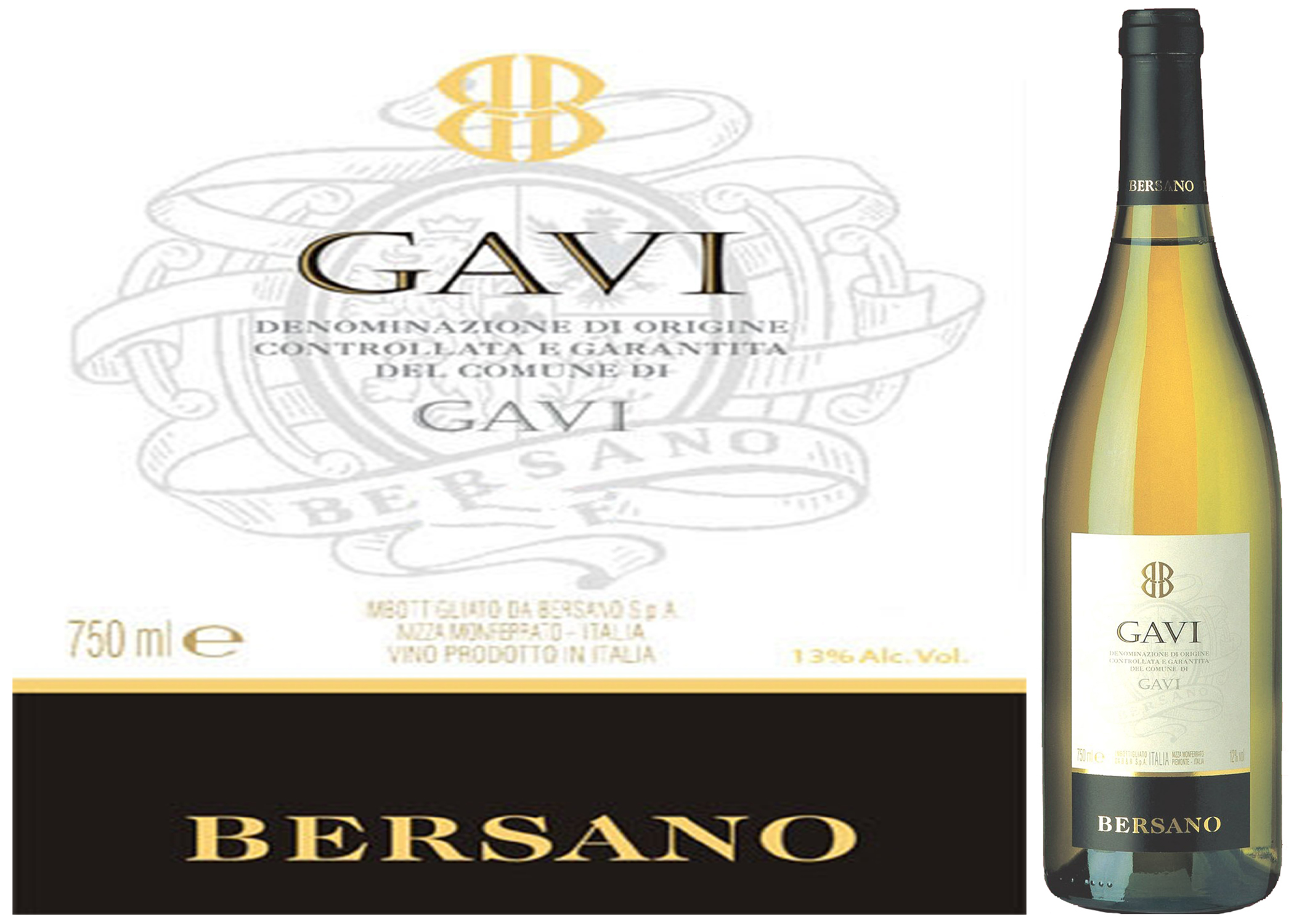
Piemonte Gavi di Gavi

In the evocative parlance of northwestern Italy, a spasso tra i vigneti (‘walking in the vineyards’) can further translate as wading among undulating green waves of Nebbiolo grapes; mostly destined to become world-renowned Barbaresco and Barolo red wines. In the misty hills surrounding the town of Gavi, though, there’s a modest white delight also vying for increased attention. Considered a minor grape due to its very limited planting of approximately 1,500 hectares, the early ripening Cortese is nonetheless a long-established, indigenous variety that has been cultivated in pockets throughout Provincia di Alessandria since the early 17th century. While being well-suited to the micro-climate and soils of these northern Italian terroirs, consistently extracting flavourful wine from the relatively neutral, plump, yellow-skinned grape clusters remains an intriguing challenge for the otherwise skilled vintners of Piemonte. When they get it right, which is now often the case, the result is satisfyingly lithe, elegant and complex.

bersano

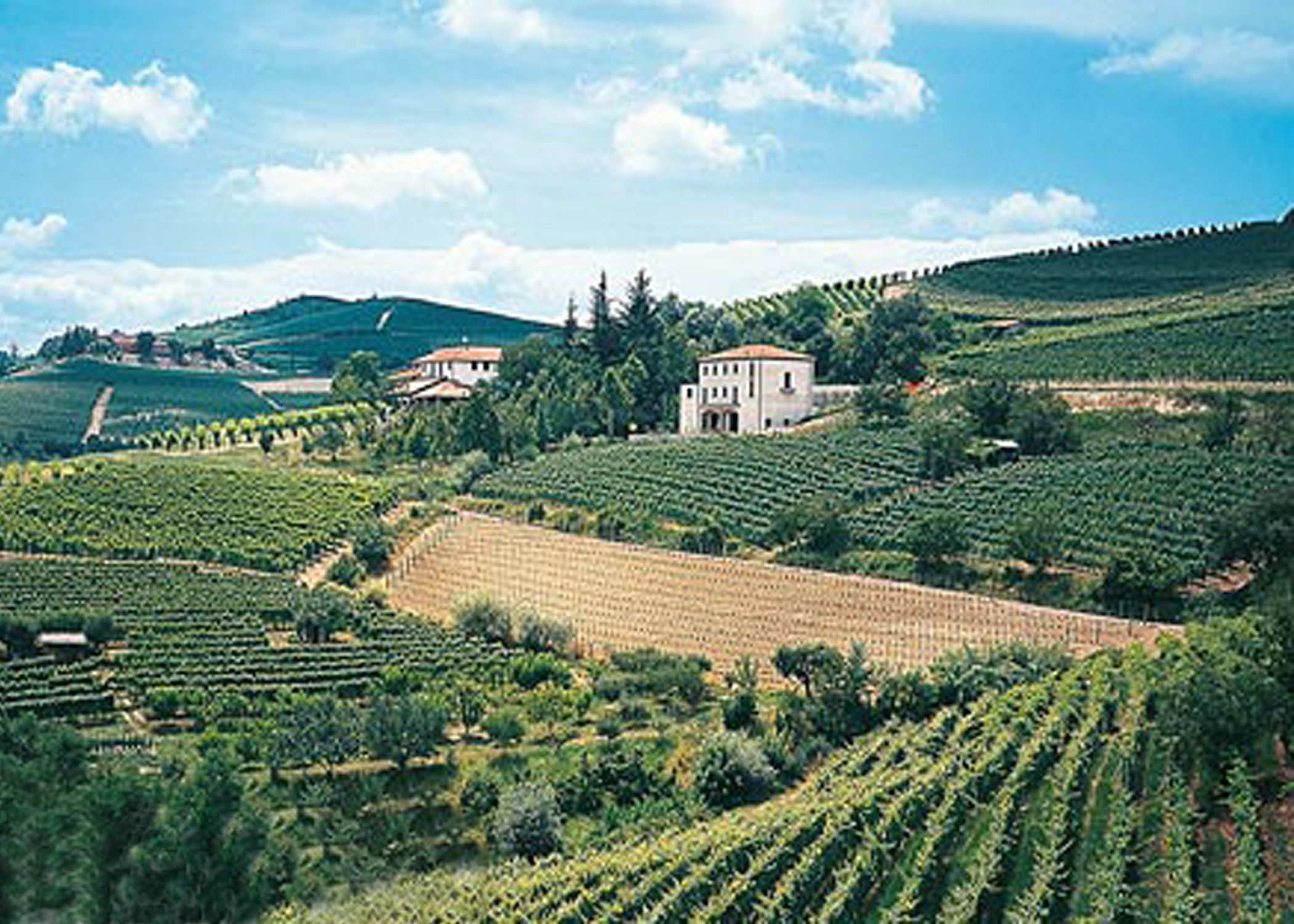
Businessman Giuseppe Bersano initially founded his azienda vinicola at the turn of the 20th century by purchasing a languishing, 12-hectare aristocratic estate belonging to the Count Cremosina. Over the next 50 years of family succession, and with the gradual acquisition of other nearby properties it became one of the Piemonte region’s leading wineries; now prolifically drawing from 230 hectares of vineyard on ten diverse and desirable estates. After a brief period of decline while under corporate ownership in the 1970’s, the various Bersano lands and cellars were acquired by the Massimelli and Soave winemaking families in 1985. Astutely, the current managing generation of these storied Piemontese clans have entrusted a passionate and highly regarded vintner, Roberto Morosinotto, with moving the brand’s traditions forward into its 2nd century.

This week’s DéClassé featured Bersano Gavi di Gavi 2014 is an accomplished example of what’s possible in fashioning modern, mid-weight Italian white wine. Finished in stainless steel tanks, the technique yields delicate layers of tropical fruit and green apple, floral aromatics, chalky minerality and citrus-tinged acidity. Overshadowed for a time by other Italian star white wines such as Verdicchio, Trebbiano d’Abruzzo, and Soave, this is a time-limited opportunity to compare your palette with what savvy Italians are currently drinking at home – while they export much of their Pinots abroad. If you have an appreciation for wine that emphasizes finesse, then this premium offering will be a seductive addition to your go-to list. To paraphrase Bersanos’s playful motto ‘if you want to drink well, get yourself a vineyard,’ I would say: ‘if you want to drink well this summer, get three bottles of the Gavi di Gavi 2014’ – and enjoy while it’s still young.

Bersano

BERSANO GAVI DI GAVI 2014
VINTAGES – LCBO Product #999979 | 750 mL bottle
Price $ 16.95
12% Alcohol/Vol.
Sugar Content Descriptor: XD

Made in Piemonte, Italy
By: Bersano Vini S.P.A.
Release Date: July 25, 2016

Tasting Note
This bright straw-yellow coloured wine with its flinty citrus character accented by light almond notes is an ideal compliment to summer hors d’oeuvres and a broad range of seafood such as scallops, calamari, and oysters, or with pesto dressed pasta, cheese filled ravioli and herbed poultry.

Mendoza Chardonnay

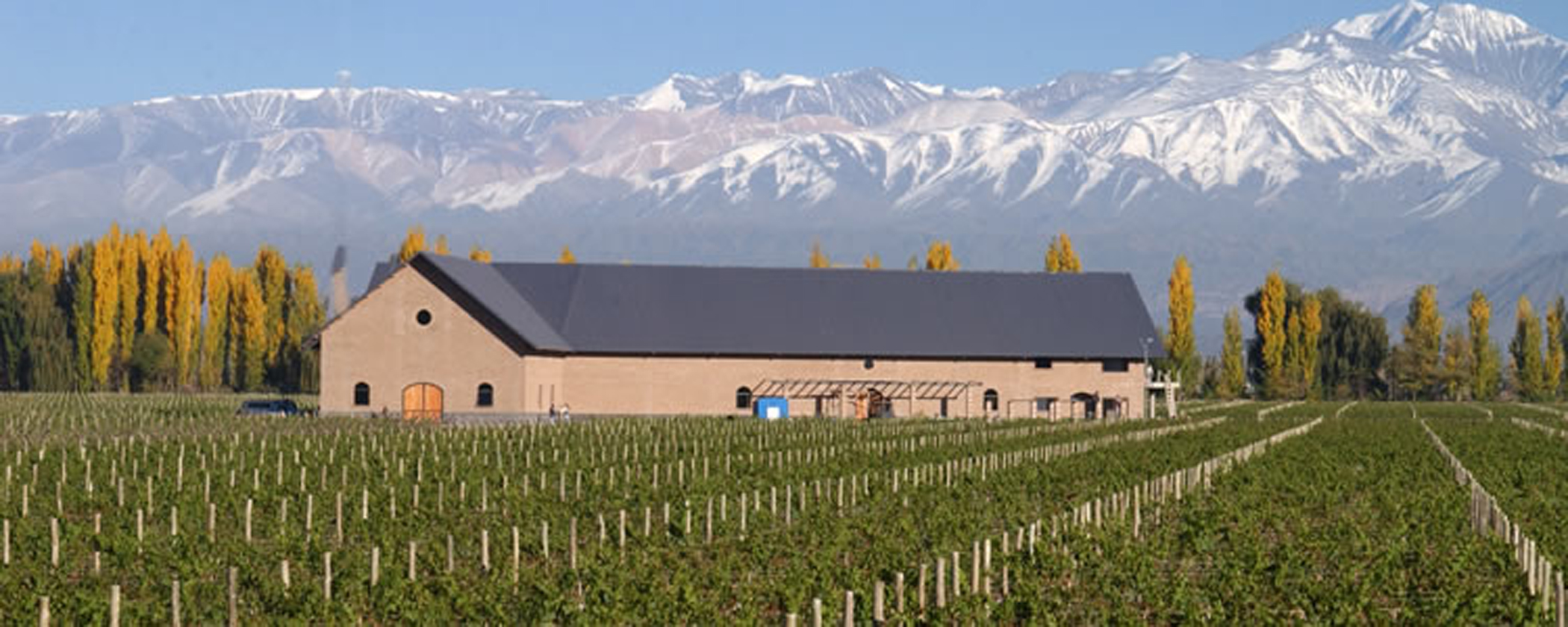
Long before its rising reputation as one of Argentina’s premier winemaking sub-regions, Luján de Cuyo already had an established history of being a garden for the indigenous Incan and Huarpe Peoples. In the centuries ahead of Spanish and Italian immigration, the clever and resourceful native populations were able to harvest a bounty of squash, corn, beans, and quinoa by developing irrigation dams and canals fed by the Mendoza River system; gradually transforming the landscape they called Araucanian cuyum puulli (‘sandy land’ or ’desert country‘). Eventually, in the 17th and 18th centuries, the mineral rich soils and long dry days blessed with a plethora of sun and a respite of cool nights combined as some of the most desirable conditions for cultivating grapevine, anywhere.
In the modern age, in large part due to a prolific output of the greater Mendoza region, Argentina has evolved into the wine world’s 5th largest producer!

susana-balbo-vineyard

Other evolutionary development has also occurred among Argentina’s vintners as they continually incorporate outside expertise (particularly French and Italian) with their own, significant cadre of home-grown talent. Since becoming the first Argentinean female to earn an Oenology degree in the early still-male-dominated 1980’s, Susana Balbo honed her wine craft at the renowned Catena and Zapata Bodegas before the 1999 launch of her own; made up of a wide-ranging portfolio that includes BenMarco, Susana Balbo, Nosotros, and Crios. With a 35-year focus on developing varietal whites, her continuing accomplishments include the informal anointment as the Queen of Torrontés, a third term as the President of Wines of Argentina’, and summarily maturing into one of the most influential, new-age winemaking ambassadors, at home and globally – felicitación.

As evidenced in this week’s DéClassé featured bottle of Crios Chardonnay 2014, self-described as a youthful ‘everyday’ wine, the emphasis is on freshness and a palatable finesse in the finishing; in the ‘Susana Balbo way’. With an over-oaked Chardonnay style now a vestige of past winemaking practice elsewhere, here in this recipe only 30% of the vintage sees a brief aging in barrel before blending with the majority that’s been stored in Stainless Steel tanks. The result is a crisp and balanced style that still features the acidic brightness, herbal accents and tropical fruit notes of the Chardonnay grapes; more so than the creamy vanilla tones that typically develop in fully oaked versions. At this price, it’s hard to imagine a better buy to make your summer ‘everydays’ special!

Crios

CRIOS CHARDONNAY 2014
VINTAGES – LCBO Product #243196 | 750 mL bottle
Price $ 13.95
14% Alcohol/Vol.
Sugar Content Descriptor: XD

Made in Mendoza, Argentina
By: Susana Balbo
Release Date: June 11, 2016

Tasting Note
This pale golden/yellow and medium-bodied white has an abundance of tropical fruit aromas and flavours. Serve with canapés of goat cheese/roasted pistachio, lightly curried vegetable pasties and pickled yellow cherry peppers, or with mains of apple and sausage stuffed chicken breast and lemon buttered asparagus.