Piemonte Gavi di Gavi

In the evocative parlance of northwestern Italy, a spasso tra i vigneti (‘walking in the vineyards’) can further translate as wading among undulating green waves of Nebbiolo grapes; mostly destined to become world-renowned Barbaresco and Barolo red wines. In the misty hills surrounding the town of Gavi, though, there’s a modest white delight also vying for increased attention. Considered a minor grape due to its very limited planting of approximately 1,500 hectares, the early ripening Cortese is nonetheless a long-established, indigenous variety that has been cultivated in pockets throughout Provincia di Alessandria since the early 17th century. While being well-suited to the micro-climate and soils of these northern Italian terroirs, consistently extracting flavourful wine from the relatively neutral, plump, yellow-skinned grape clusters remains an intriguing challenge for the otherwise skilled vintners of Piemonte. When they get it right, which is now often the case, the result is satisfyingly lithe, elegant and complex.
bersano

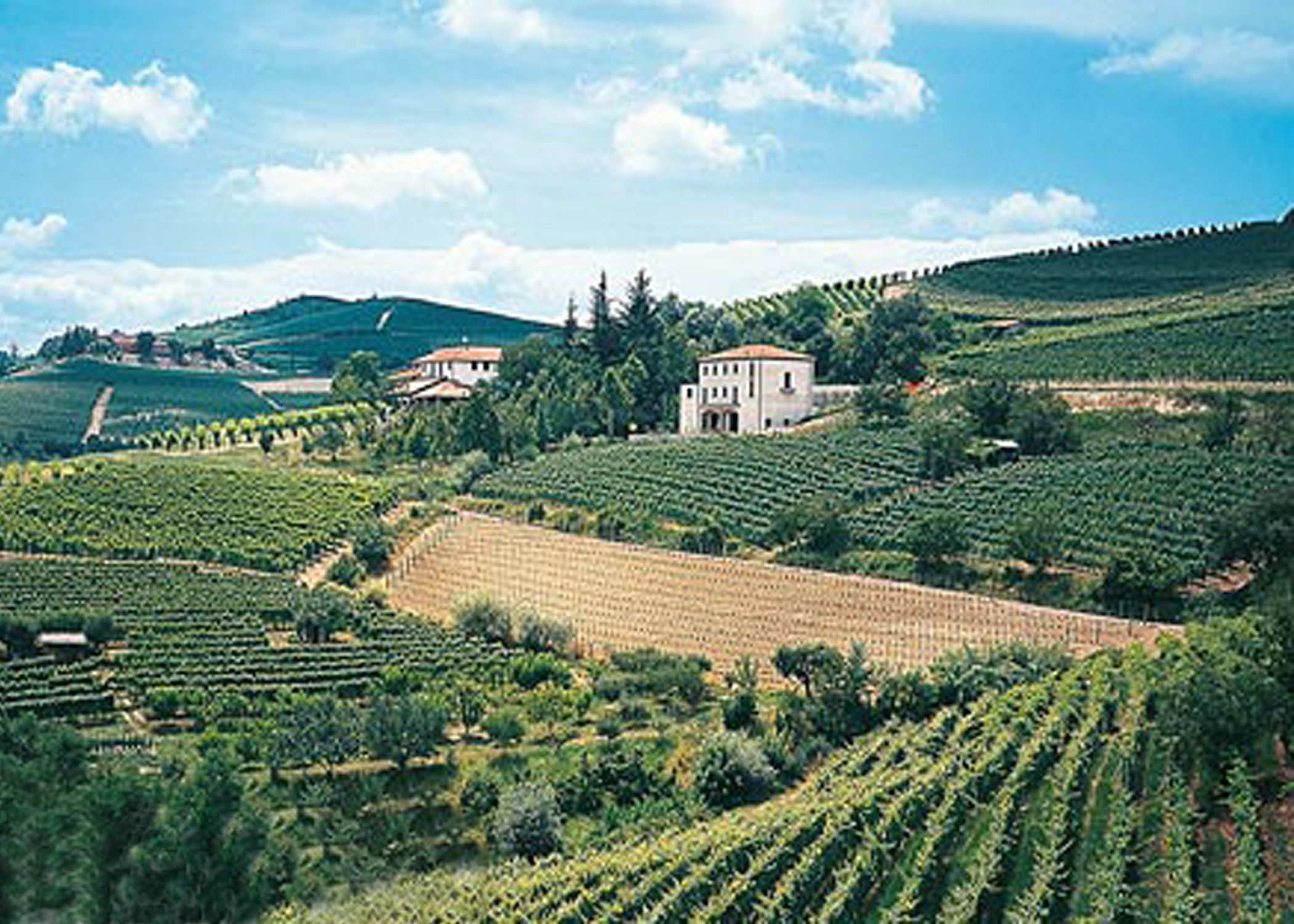
Businessman Giuseppe Bersano initially founded his azienda vinicola at the turn of the 20th century by purchasing a languishing, 12-hectare aristocratic estate belonging to the Count Cremosina. Over the next 50 years of family succession, and with the gradual acquisition of other nearby properties it became one of the Piemonte region’s leading wineries; now prolifically drawing from 230 hectares of vineyard on ten diverse and desirable estates. After a brief period of decline while under corporate ownership in the 1970’s, the various Bersano lands and cellars were acquired by the Massimelli and Soave winemaking families in 1985. Astutely, the current managing generation of these storied Piemontese clans have entrusted a passionate and highly regarded vintner, Roberto Morosinotto, with moving the brand’s traditions forward into its 2nd century.

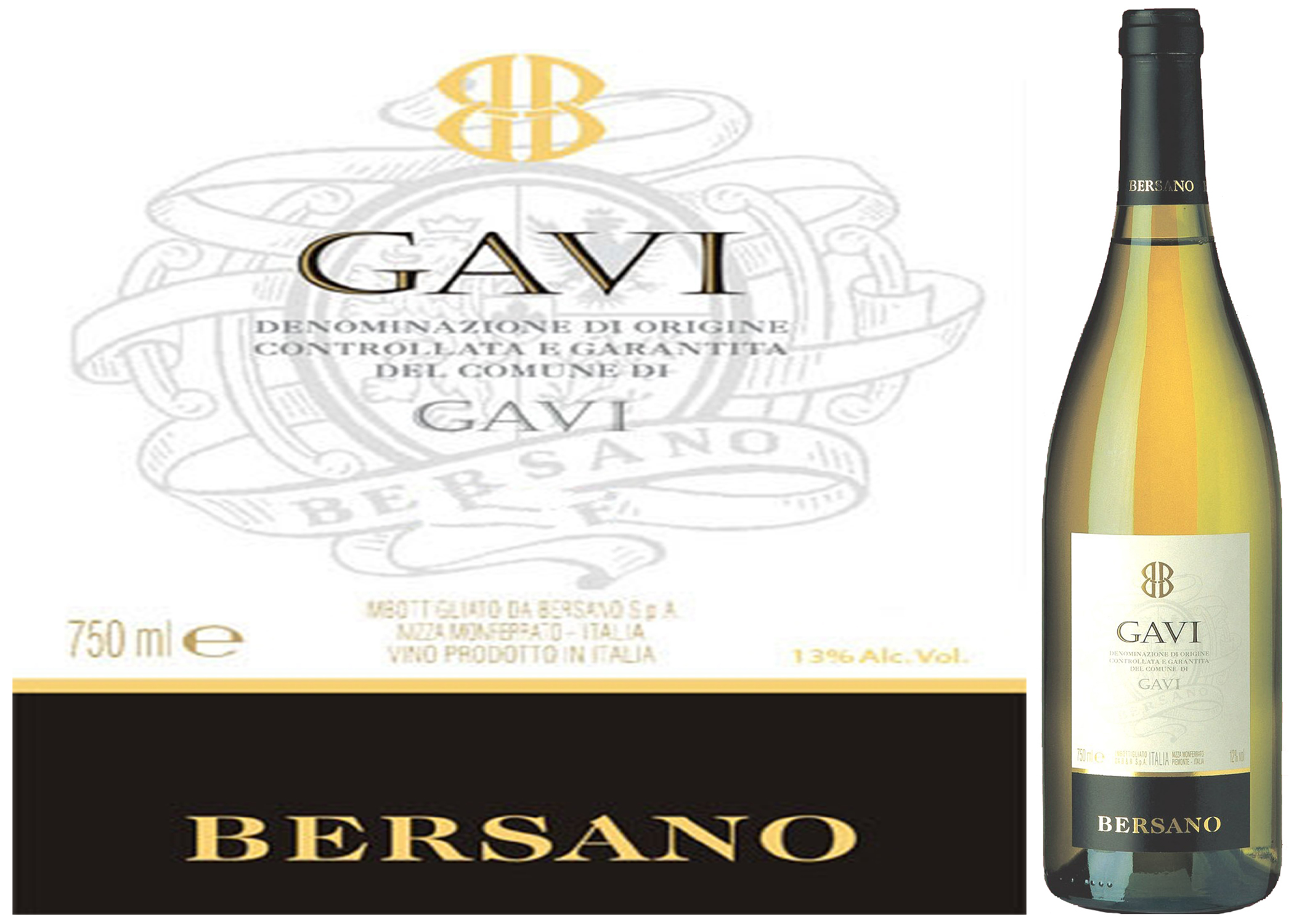
This week’s DéClassé featured Bersano Gavi di Gavi 2014 is an accomplished example of what’s possible in fashioning modern, mid-weight Italian white wine. Finished in stainless steel tanks, the technique yields delicate layers of tropical fruit and green apple, floral aromatics, chalky minerality and citrus-tinged acidity. Overshadowed for a time by other Italian star white wines such as Verdicchio, Trebbiano d’Abruzzo, and Soave, this is a time-limited opportunity to compare your palette with what savvy Italians are currently drinking at home – while they export much of their Pinots abroad. If you have an appreciation for wine that emphasizes finesse, then this premium offering will be a seductive addition to your go-to list. To paraphrase Bersanos’s playful motto ‘if you want to drink well, get yourself a vineyard,’ I would say: ‘if you want to drink well this summer, get three bottles of the Gavi di Gavi 2014’ – and enjoy while it’s still young.
Bersano

BERSANO GAVI DI GAVI 2014
VINTAGES – LCBO Product #999979 | 750 mL bottle
Price $ 16.95
12% Alcohol/Vol.
Sugar Content Descriptor: XD

Made in Piemonte, Italy
By: Bersano Vini S.P.A.
Release Date: July 25, 2016

Tasting Note
This bright straw-yellow coloured wine with its flinty citrus character accented by light almond notes is an ideal compliment to summer hors d’oeuvres and a broad range of seafood such as scallops, calamari, and oysters, or with pesto dressed pasta, cheese filled ravioli and herbed poultry.
Mendoza Chardonnay

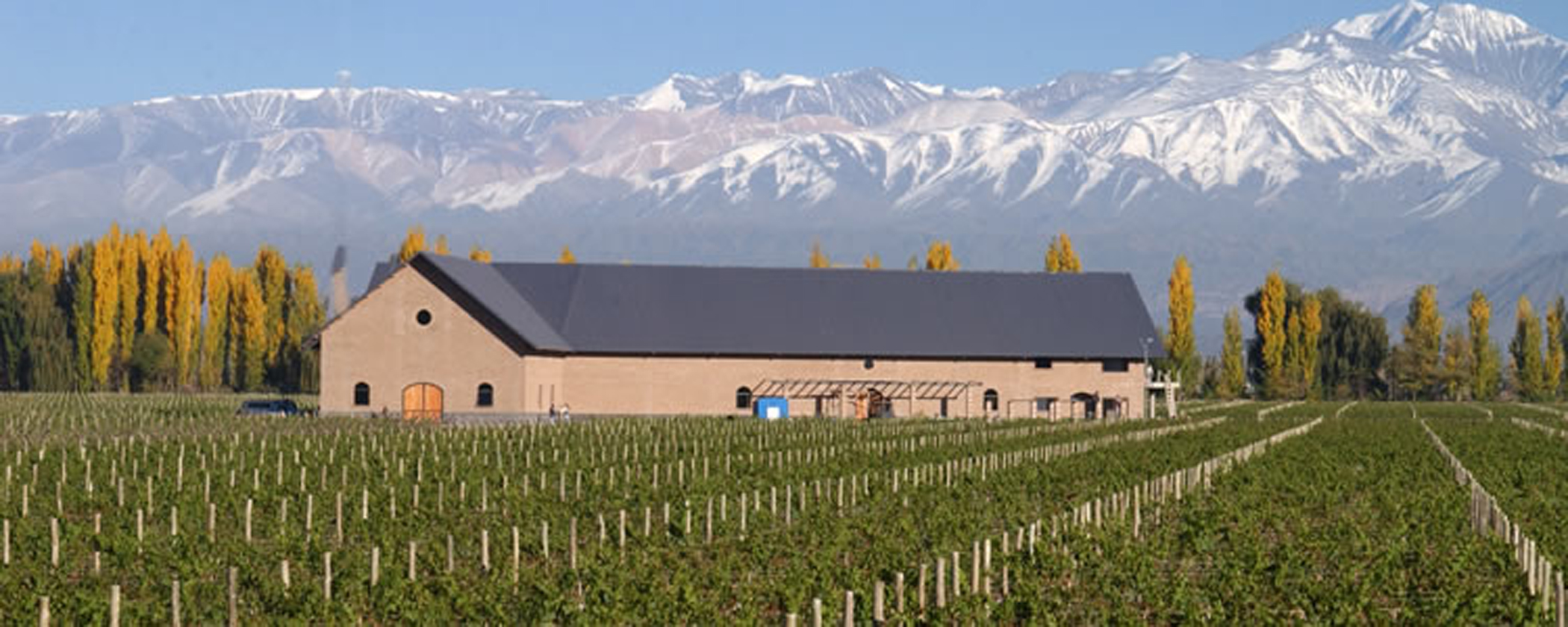
Long before its rising reputation as one of Argentina’s premier winemaking sub-regions, Luján de Cuyo already had an established history of being a garden for the indigenous Incan and Huarpe Peoples. In the centuries ahead of Spanish and Italian immigration, the clever and resourceful native populations were able to harvest a bounty of squash, corn, beans, and quinoa by developing irrigation dams and canals fed by the Mendoza River system; gradually transforming the landscape they called Araucanian cuyum puulli (‘sandy land’ or ’desert country‘). Eventually, in the 17th and 18th centuries, the mineral rich soils and long dry days blessed with a plethora of sun and a respite of cool nights combined as some of the most desirable conditions for cultivating grapevine, anywhere.
In the modern age, in large part due to a prolific output of the greater Mendoza region, Argentina has evolved into the wine world’s 5th largest producer!

susana-balbo-vineyard

Other evolutionary development has also occurred among Argentina’s vintners as they continually incorporate outside expertise (particularly French and Italian) with their own, significant cadre of home-grown talent. Since becoming the first Argentinean female to earn an Oenology degree in the early still-male-dominated 1980’s, Susana Balbo honed her wine craft at the renowned Catena and Zapata Bodegas before the 1999 launch of her own; made up of a wide-ranging portfolio that includes BenMarco, Susana Balbo, Nosotros, and Crios. With a 35-year focus on developing varietal whites, her continuing accomplishments include the informal anointment as the Queen of Torrontés, a third term as the President of Wines of Argentina’, and summarily maturing into one of the most influential, new-age winemaking ambassadors, at home and globally – felicitación.

As evidenced in this week’s DéClassé featured bottle of Crios Chardonnay 2014, self-described as a youthful ‘everyday’ wine, the emphasis is on freshness and a palatable finesse in the finishing; in the ‘Susana Balbo way’. With an over-oaked Chardonnay style now a vestige of past winemaking practice elsewhere, here in this recipe only 30% of the vintage sees a brief aging in barrel before blending with the majority that’s been stored in Stainless Steel tanks. The result is a crisp and balanced style that still features the acidic brightness, herbal accents and tropical fruit notes of the Chardonnay grapes; more so than the creamy vanilla tones that typically develop in fully oaked versions. At this price, it’s hard to imagine a better buy to make your summer ‘everydays’ special!

Crios

CRIOS CHARDONNAY 2014
VINTAGES – LCBO Product #243196 | 750 mL bottle
Price $ 13.95
14% Alcohol/Vol.
Sugar Content Descriptor: XD

Made in Mendoza, Argentina
By: Susana Balbo
Release Date: June 11, 2016

Tasting Note
This pale golden/yellow and medium-bodied white has an abundance of tropical fruit aromas and flavours. Serve with canapés of goat cheese/roasted pistachio, lightly curried vegetable pasties and pickled yellow cherry peppers, or with mains of apple and sausage stuffed chicken breast and lemon buttered asparagus.

Alsace Pinot Gris

The Alsace AOC (Appellation d’Origine Contrôlées) was established in 1962 and its fairly stringent winemaking requirements reflect the pride and ambition by Alsatians to codify their vinicultural expertise. Anchoring the north-east corner of France, this is the largest of 3 related appellations; representing 75% of the region’s vintners; sharing geography with a smaller group of select estates that carry the AOC designation Crémant d’Alsace (sparkling) or Alsace Grand Crus. Their output of varietal whites such as Sylvaner, Riesling (Dry), Gewürztraminer, Muscat d’Alsace, Pinot Blanc (Klevner), Auxerrois Blanc de Laquenexy, and this week’s DéClassé featured Pinot Gris are widely regarded as the benchmarks for more fulsome versions of the sometimes, lightweight wines produced elsewhere. In embracing the challenges of high AOC standards, particularly the preference for quality over quantity, Alsatian vintners are guarding the regional character that’s taken centuries to forge. Arguably, they remain in a leadership role for the cultivation/refinement of these cool climate grapes and wine styles; just ahead of burgeoning competition across the German border!

maison-pierre-sparr

Alsace’s most reputed wine-producing district is the geographic portion called the Haut-Rhin (Upper Rhine). Centered on the ‘wine capital’ town of Colmar, its vineyards line the foothills of the Vosges mountains and roll out onto the adjacent river plain. Conquered by Caesar in the 1st century BCE, this was a desirable agricultural tract in the Roman province of Prima Germania for about 600 years before becoming part of a Frankish Duchy in 496. After a long period of acting as a buffering borderland region in the Holy Roman Empire, it was annexed by French troops in the late 17th century as a territorial spoil of the 30 Years War. For the next 350 years, this contested strip of land traded Franco and Germanic occupation before settling as a hybrid people/culture within modern-day France; so it also is with their traditions of fashioning wine.

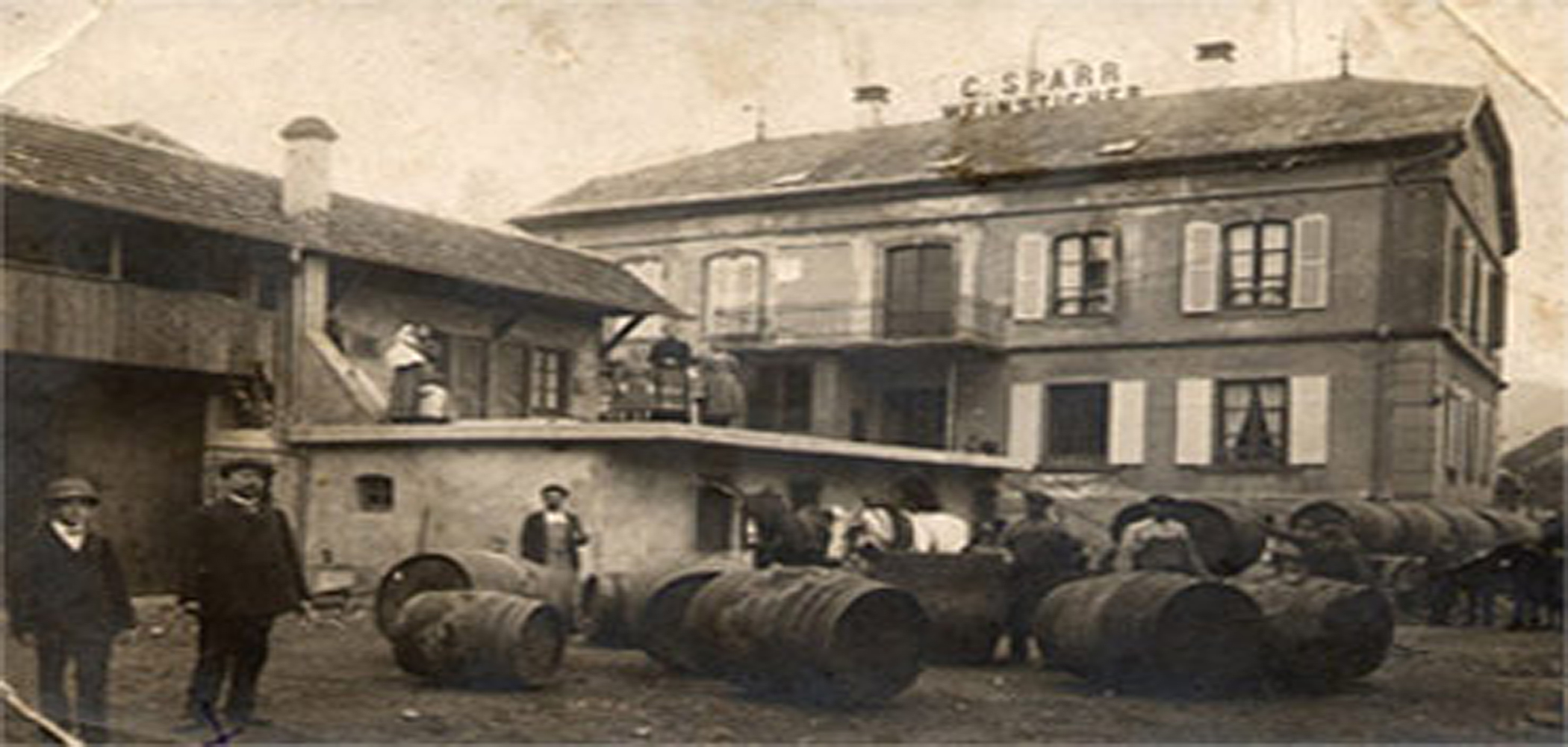
Amid this latter period of regional history, lies the familial legacy of Jean Sparr and the 9 successive generations that have culminated as one of Alsace’s best-recognized producers, the Maison Pierre Sparr Successeurs. Their modern renaissance begins after the devastating 2nd World War, during which the family’s village of Sigolsheim and its surrounding vineyards were largely razed. Rebuilding the long-held family estate and replanting 15 hectares of vines, in time, has led to an expanded collaboration with other dedicated local growers and the current, and very capable cellar master, Alexandra Boudrot. Judging by the mid-grade offering of Pinot Gris Reserve 2014, the reputation of this consistently accomplished winemaking dynasty remains well deserved; with a future that’s distinctively dressed in a tall and slender bottle called a Flute, and its content that has a bright straw-coloured hue!

Pierre Sparr

PIERRE SPARR RESERVE PINOT GRIS 2014
VINTAGES – LCBO Product #983395 | 750 mL bottle
Price $16.95
13.5% Alcohol/Vol.
Sugar Content Descriptor: D

Made in Alsace, France
By: Cvb Maison Pierre Sparr Successeurs
Release Date: April 16, 2016

Tasting Note
Plush and soft, with layered aromas of apricots, honey, and spice, this fruity wine also incorporates citrus and a dose of minerality to refresh the palate. Though well-suited to a traditional gastronomic mix of Choucroute à l’Alsacienne (pickled cabbage, steeped potatoes, and assorted smoked sausages), Pâté de Foie Gras (goose liver paté with truffles, wrapped in pastry) and Flàmmeküche (flatbread with crème fraîche, onion, and lardons), it would also add a tangy balance to spicy Asian cuisine loaded with fresh vegetables. Try the latter pairing first; well chilled!

Baden Grauburgunder

Though geographically divided by the Rhine River, the histories of French Alsace and German Baden-Württemberg share many traditions of cuisine, wine and a trove of cultural lore; the most novel of which might be a love of asparagus and being blessed with unique micro-climate conditions that allow them to cultivate it. Highly valued in the Middle Ages as a medicinal treatment for Gout, asparagus’s reputation as a luxury vegetable dish blossomed in the 17th century when it was enthusiastically promoted by France’s Sun King, Louis XIV, and across the border where Count Palatine, Charles Theodore, had it planted in his castle gardens among wild Grape Hyacinths, Irises and Orchids! Here in this balmy southwest corner of Germany, shielded by the Schwartzwald (Black Forest) to one side and the Vosges Mountains on the other, another regional
success on either side of the river is the cultivation of Pinot Blanc, Pinot Noir, and this week’s DéClassé featured grape and varietal wine, Pinot Gris.

In Baden, these varieties thrive in the mineral-rich soils that have settled on the lower slopes of long dormant Vulkanfelsen (volcanos). For the vintners of Königschaffhausen and their 2014 Pinot Gris, fruit is sourced from vineyards on a cluster of hills that are auspiciously titled as Kaiserstuhl (the Emperor’s Throne). 85% of Baden’s output is bottled by small winery cooperatives and is the only German region subject to the higher EU Zone B wine standards, which also apply to premier producing areas such as Alsace, Champagne, and Burgundy.

kaiserstuhl

As for the current range of German wine exports, the industry is still working to counter the associations by North American consumers that they only produce various types of Riesling; particularly, sweeter versions. Gradually, with the help of Pinot Gris (locally known as Ruländer or Grauburgunder), the healthy diversity of wines being exported is tempering this outdated impression. As a compelling example, this dry, silky and elegant bottling demonstrates a level of quality and character that puts many popular whites such as Soave and Pinot Grigio to shame for their lack of distinction.

As a time limited release to LCBO’s Vintages, this week’s recommendation is on many ‘best of the month’ lists, so will require some Olympian sprinting to get to the shelves before it’s gone until next year. If you are a white wine lover, don’t hesitate to buy half a case. If you’re an intransigent red wine lover, then only buy 3, so you have something truly interesting to offer your white wine-loving friends!

Konigschaffhauser

KÖNIGSCHAFFHAUSEN VULKANFELSEN TROCKEN PINOT GRIS 2014
VINTAGES – LCBO Product #450726 | 750 mL bottle
Price $ 16.95
13.0% Alcohol/Vol.
Sugar Content Descriptor: XD

Made in: Baden, Germany
By: Winzergenossenschaft Königschaffhausen
Release Date: April 2, 2016

Tasting Note
Delicate aromas and flavours of citrus and stone fruit make this dry, mid-weight white a fabulous apéritif wine with pâté, soft cheeses, asparagus with a white sauce or with main courses of roasted poultry, smoked fish, and baked hams.

Western Cape Chenin Blanc

With some justified claim to being one of the Cape’s renowned white grape varieties, the plucky, old, and gnarly bush vines that produce Chenin Blanc thrive, unirrigated, in this dryland region’s crushed granite soils. Challenged by these conditions, the long-lived rootstock has learned to burrow deeply; drawing on the mineral-rich nutrients and moisture that have percolated downward in the rocky terrain. As is often the case with grapevine, environmental stresses promote the development of more characterful fruit; invested with a nuanced layering of flavours. The desirable combination is evident in this DéClassé featured bottling of a historically unheralded, though now renascent, Chenin Blanc wine style. Well suited to the temperate terroirs of the continent’s southernmost tip, this vintner has aptly and evocatively named the offering, Vinum Africa.

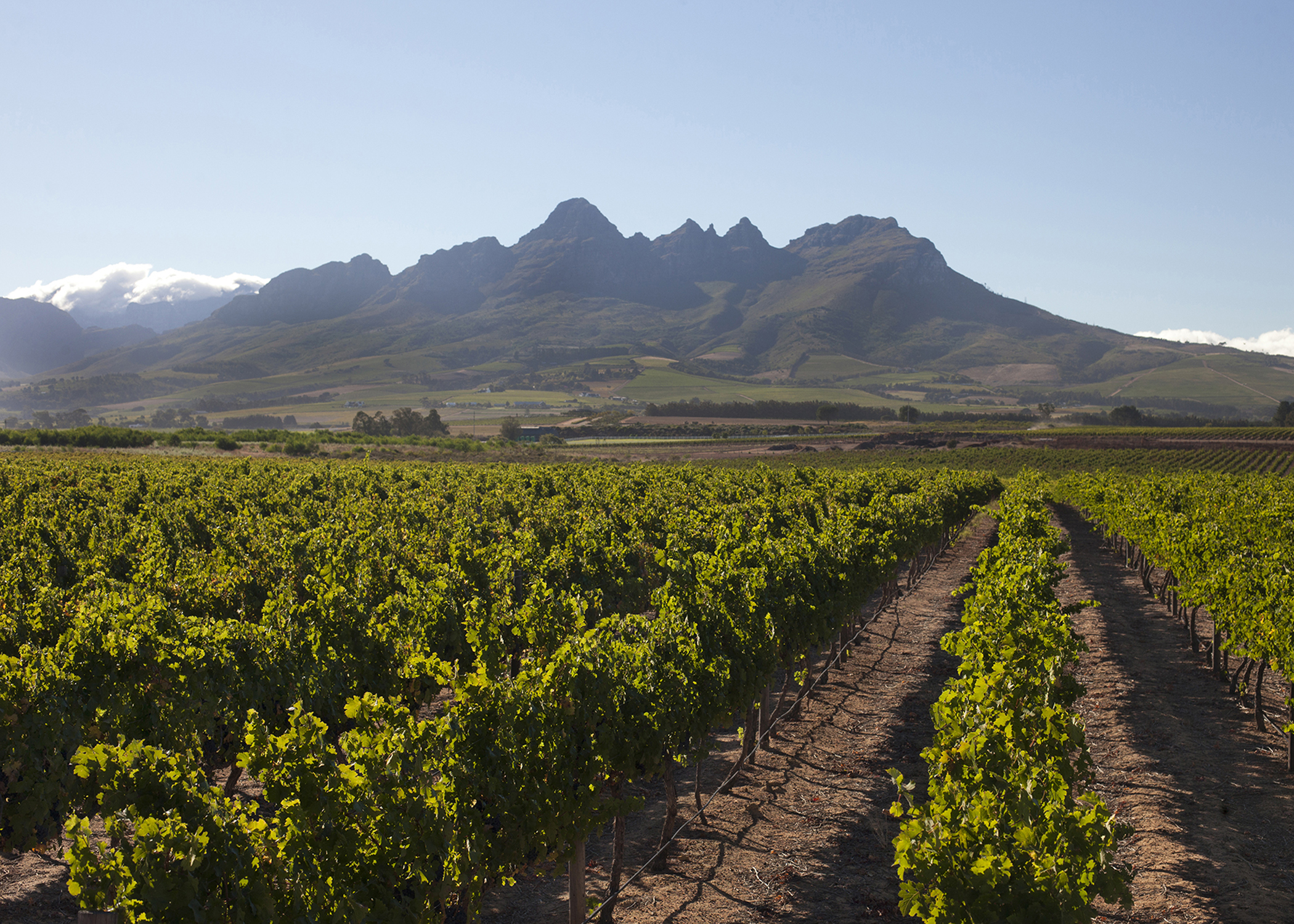
Comprising 20% of South Africa’s total cultivation and output, the winelands of the Stellenbosch region in the Western Cape continue to rise in the competitive ranks of reputation; in the country and internationally. Blessed with a diversity of microclimates and soil composition, its potential was first recognized by French Huguenots who arrived in the 1690’s and immediately began planting vines. The somewhat younger, ocean-facing vineyards of the Winery of Good Hope lining the lower slopes of the Helderberg (bright mountain), are one cornerstone of a farming enterprise that’s at the creative forefront of exploiting the advantages of a dynamic wine region, and its motivated cadre of world-class winemakers.

helderberg

Hands-on harvesting, manual sorting, and careful selection lead the production process where natural fermentation of the grapes takes place in stainless steel tanks. While a majority of the harvest is left to linger on the expired yeast (lees), infusing the batch with some subtle toasty notes, the other 30% is transferred to mixed generations of Oak barrels where it takes on its spice accents. The final blending and resting of both components for several months is a key step in a recipe that imbues the still-crisp acidic fruit with considerable aromatic depth and range. It’s also the measurable distinction for how Chenin Blanc develops a more rounded flavour profile in SA; contrasting the leaner versions that are fashioned in its native France, where it’s known as Pineau de la Loire.

The striking symbol acting as a label combines an ethnic flourish with the Latin term Vinum (wine) and was conceived as an expression of the positive political, historical and social progression in a revitalizing South Africa. Proudly playing out their part, the passion and care of these vintners is palatable in the glass. This is a lovely layered wine, offered at a very reasonable price-point and we’re fortunate to have access to some of the 2,600 cases from the 2013 vintage!

Vinum Africa

VINUM AFRICA CHENIN BLANC 2013
VINTAGES – LCBO Product #739995 | 750 mL bottle
Price $ 15.95
13.5% Alcohol/Vol.
Sugar Content Descriptor: XD

Made in: Stellenbosch, South Africa
By: The Winery of Good Hope
Release Date: March 19, 2016

Tasting Note
Medium-bodied, fragrant and dry, try serving this zesty wine with Mediterranean dishes, grilled vegetables of all sorts, sushi or as a compliment to Asian cuisine. It’s also very satisfying as an apéritif with goat cheese canapés or onion tarts.

Niederösterreich Grüner Veltliner

20 centuries ago, in one of the newly conquered lands bounded by the Danube River, the legendary Roman military commander Tiberius capably recognized the untapped agricultural potential of its valleys and plains. After having subdued the Celtic and Ligurian tribes who were loosely allied in the kingdom of Noricum, he set about establishing a legionary encampment that would grow into a large and prosperous regional capital, Carnuntum. Apart from mining the ore-rich mountains for iron, which provided high-grade steel weaponry to the empire; the settlements other success was in developing farming estates in the nearby territories, eventually including Kamptal (Kamp River Valley). To fulfill a Roman social philosophy that deemed wine a daily necessity for all classes of society, from slave through noble, these ‘provincial Romans’ introduced terraced vineyards as an agricultural innovation. The technology allowed growers to exploit the underused sloped terrain; expanding the cultivation of indigenous grapes such as the one they termed Veltin; resulting in a significant boost of harvest yields and the local wine supply. In the modern age, this corner of central Europe became known as Niederösterreich (Lower Austria) and one of the distinctive wines that Austrian vintners have become uniquely expert at is called Grüner Veltliner.

Primarily grown in Austria, Grüner Veltliner (Grew-ner Velt-leen-er) is a flagship white wine variety making up nearly a third of all plantings–with spillover into the neighbouring Czech Republic, Hungary and Slovakia. As a hardy and prolific vine, its suitability to these terroirs is tied to the rich löss (wind-blown soils) that have built up in the geography of ancient volcanic calderas; settling overtop of crushed stone beds that provide drainage for mildew-free growing conditions. As of 2009, Austria’s wine laws have evolved to include DAC designations for both Veltliner and Riesling wines; to clearly distinguish between the regional sources of the fruit and to promote higher mean levels of quality. Additionally, the bottling is graded and priced according to either a ‘Classic’ finishing style (12.5% abv with no wood influence) or ‘Reserve’ (13.5% with some integrated wood allowable). As with this week’s DéClassé recommended Rabl Grüner Veltliner Langenlois 2013, the ‘Classic’ version is somewhat lighter-bodied, unoaked and largely intended to be enjoyed as a fresh, zingy young wine that blooms with food pairing–and so it does!

rudolf-rabl

70km northwest from Vienna, the Kamptal DAC is centred on the Baroque-esc town of Langenlois. Surrounded by forested mountains and ringed by vineyards, this idyllic setting has been home to Weingut Rudolph Rabl for 265 years. In the mid-18th century, 20 hectares of estate land began as a traditional farm with mixed crops and livestock. After adding grapevines, the business was confined to selling bulk wine in barrel to local innkeepers until the early 20th century. In 1986, Rudolf Rabl Junior was enlisted into the family business and his father’s passion, which allowed the winery to expand to 80 hectares; becoming one of the largest estates in the valley. The distinctive icon of a green Raven depicted on Rabl (‘little Raven’) labels represents their line of well-crafted, entry-level wines being offered at an exceptionally attractive price-point.

All in all, it’s taken some time for North American markets to embrace white wine styles other than the enduring stars such as Chardonnay, Sauvignon Blanc, Pinot Grigio and Soave. So, in the spirit of more deeply exploring the horizon of your established tastes, add this varietal wine to your DéClassé recommended list of alternate, characterful dry whites: Sylvaner, Picpoul de Pinet, Tsinandali, Gavi, Pecorino, Sèvre et Maine, and Vinho Verde. Consider buying half a case while being reminded that Grüner Veltliner offers the promise of longevity in the bottle: making it a worthy candidate for some short-term cellaring over the next 2-5yrs.

Rabl Gruner Veltliner

RABL LANGENLOIS GRÜNER VELTLINER 2013
VINTAGES – LCBO Product #377457 | 750 mL bottle
Price $ 14.95
12.5% Alcohol/Vol.
Sugar Content Descriptor: XD

Made in: Kamptal, Austria
By: Weingut Rudolph Rabl
Release Date: January 23, 2016

Tasting Note
This is a bright, fresh and elegant wine with flavour notes of apple, lemon balm and lime, delicate pepper spice, loads of ripe acidity and an intriguing minerality through the remarkably long finish. As apéritif, serve with prosciutto crostini, smoked fish, or with mains of veal schnitzel, grilled asparagus, and white sauced artichoke.

Irpinia Coda di Volpe

Several hundred years after the disintegration of the Western Roman Empire, a 6th-century Germanic tribe known as Longobards (‘long beards’) pushed south from their territorial occupation of northern Italy. The campaign objective for this ‘barbarian horde’ was to expand their realm into the Campania region: lying two-thirds of the way down the west Italian shoreline of the dazzlingly blue Tyrrhenian Sea. Circa 570 CE, dominion over the lands around Naples; the island of Capri; Salento and Pompei, was being challenged by numerous peoples including the sea-borne Byzantines who also weren’t native Italians. Having prevailed along the coast, the Longobards turned their ambition to the central farming provinces, attracted by their fertile valleys and temperate continental climate. History records the incursion as ‘Conquest of Benevento’ after which its bearded tribal victors became better known as the Lombards. Over the next 200 years, and far from validating the dark spectre of plunder and pillage, the relatively benevolent rulers of this Duchy of Benevento fortified the hilltop towns as security for local populations; they promoted agriculture and even experimented with the cultivation of Italian/German hybrid grapes!

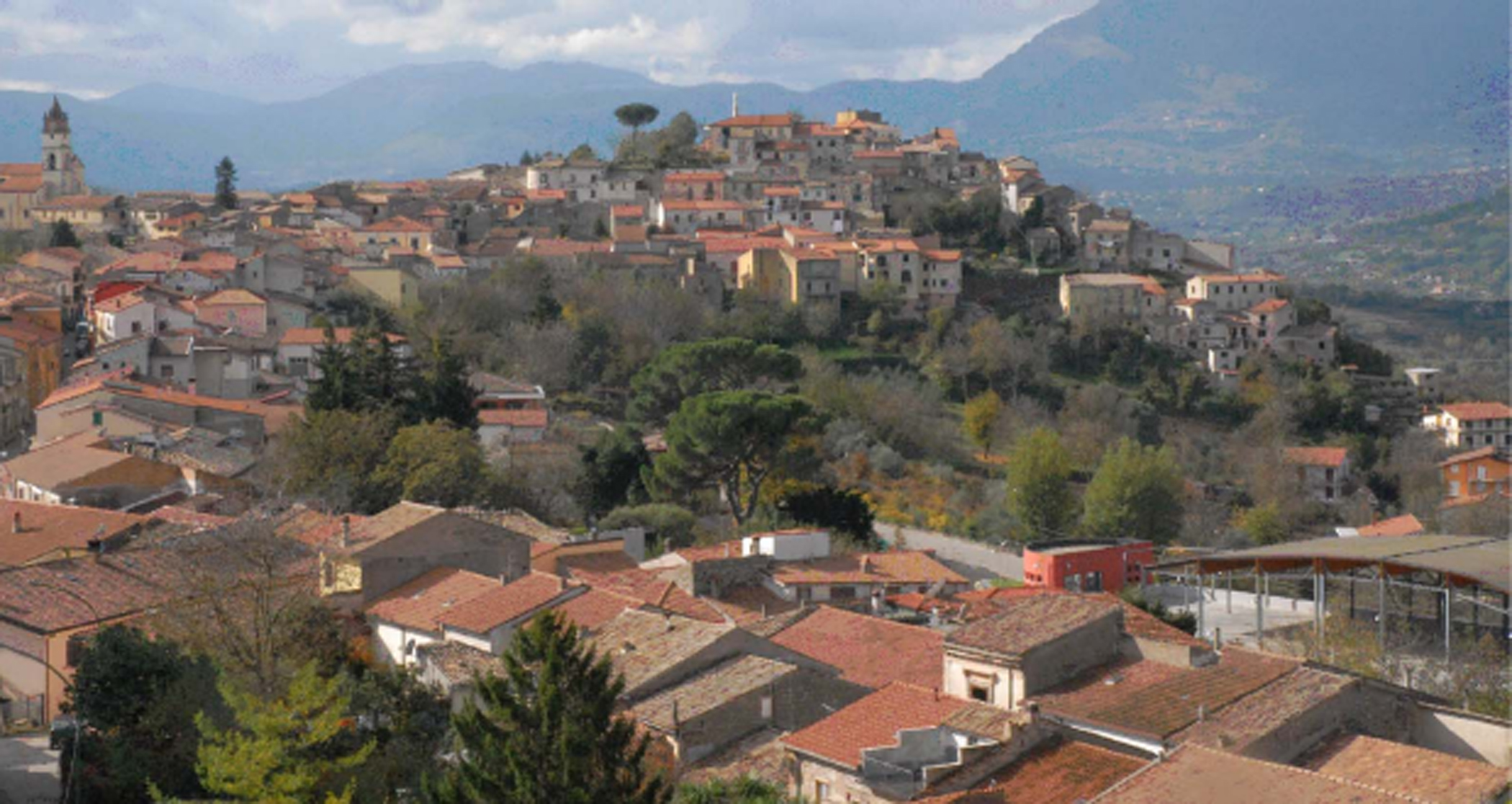
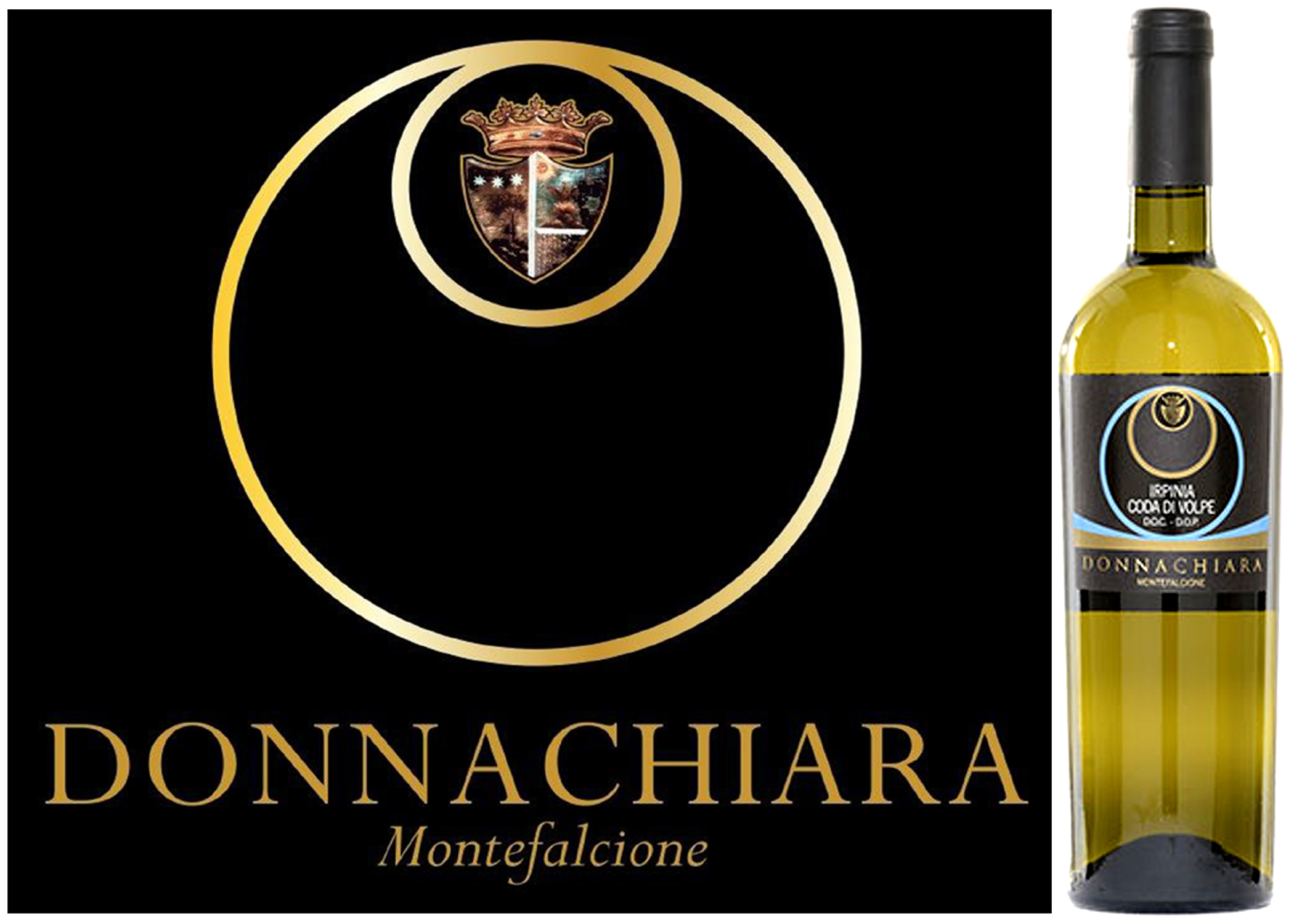
In among the Montevergine and Chiusano mountains, the Irpinia sub-region is home to both a pastoral culture and a rugged rolling landscape of Juniper, Oak and Chestnut forest, sharing space with olive grove, vineyard and fruit orchard. Perched on a ridge dividing the Saturday and Calore rivers is the Lombard-era village of Montefalcione: host to this week’s DéClassé recommended Tenuta and their sophisticated and beguiling, Donnachiara Irpina Coda di Volpe 2013. Within a long list of regional synonyms such as Pallagrello Bianco, Guarnaccia or the playful Coda di Pecora (‘tail of the sheep’), the golden, trailing and tail-like clusters of Coda di Volpe (‘tail of the fox’) distinctively mark this less-heralded grape variety. Out of favour for a time, the resurgent vine likely had its roots on the volcanic slopes of nearby Vesuvius before comfortably taking a second home in the vineyards of the Irpina DOC.

Some white wine styles, particularly ones which have been partially oaked, reveal their qualities boldly, if somewhat short-lived. Others, as with this feature, seem light and lean initially, then surprisingly blossom with structured layers of flavour and body–when combined with appropriate food fare. In large part, this is the dynamic potential of the source fruit, though it also reveals the depth of expertise built up over successive generations of vintners, refining unique vine varieties. Here, the result is a fresh varietal wine that’s spent six months in Stainless Steel tanks only, so its youthful verve and vibrancy has been delightfully preserved.

Alongside a resilient foundation of a regional culture steeped in wine, food and art, the adopting of sustainable practices and employing modern finishing techniques are revitalizing Campagnia’s winemaking traditions. As an example, this rewarding offering from Montefalcione demonstrates just how accomplished they’ve become in crafting terroir-specific wines while proudly championing indigenous vine stock and its characterful grapes. Bellissima!

Donnachiara

DONNACHIARA IRPINA CODA DI VOLPE 2013
VINTAGES – LCBO Product #434241 | 750 mL bottle
Price $ 16.95
13% Alcohol/Vol.
Sugar Content Descriptor: XD

Made in Campania, Italy
By: Az. Ag. Donnachiara
Release Date: January 9, 2016

Tasting Note
This straw-coloured white wine incorporates citrus flavours, light tropical fruit, and some subtle herb notes with a pleasing bitter accent on the long finish. Try serving with roasted poultry, spicy polenta with parmesan, poached freshwater fish with capers, grilled vegetables or sun-dried tomato pasta in a cream sauce.

Gavi Alert

The 54 hectares of the Fontanafredda estate, with its central cluster of stately
houses, outlying villas, woods and groves of Hazel, began as a charmed gift in a
colourful and episodic love story. The notable wooer was Vittorio Emanuele II, the
King of Sardinia. The object of his affection was Rosa Vercellana; young daughter
of a standard-bearer in the Napoleonic Imperial Guard. In returning the king’s
amorous attentions, she was bestowed with the landholding title: Countess of
Mirafiori and Fontanfredda. To Vittorio’s love-struck eyes and heart, his mistress
would always fondly remain La Bela Rusin. As for the vision of their love child and
son, Emanuele was the family member who imagined the estate’s potential as a winemaking Tenuta. In his accession as the Count of Mirafiore, he diligently set
about the life-long task of planning, planting and cultivating the necessary vines.

In northwestern Italy, a spasso tra i vigneti (‘walking in the vineyards’) can further
translate as wading among undulating green waves of Nebbiolo grapes, mostly
destined to become world-renowned Barolo and Barbaresco red wines. In misty
hills surrounding the town of Gavi, though, there’s a modest white delight vying for
some increased attention. Considered minor due to its very limited planting of
approximately 1,500 hectares, the early ripening Cortese is nonetheless a long
established variety well-suited to the micro-climate in Gavi’s terroir. Consistently
creating flavourful wine from the relatively neutral, plump, yellow-skinned grape
clusters remains challenging for the region’s winemakers. This week’s DéClassé recommended Fontanafredda Gavi Di Gavi 2014 is an accomplished example of
what’s possible in fashioning a modern, mid-weight Italian white. The added body
of this varietal bottling is helped by a deft blending of several fermented batches:
85% in stainless steel and 15% in oak barriques. The technique yields delicate
layers of fruit, aromatics, chalky minerality and bright citrus-tinged acidity.

Long overshadowed by other Italian star whites such as Trebbiano d’Abruzzo,
Soave and Verdicchio, this is a time-limited opportunity to compare your palette
to what Italians are currently drinking while exporting most of their Pinots abroad.
If you have an appreciation for wines that emphasize finesse over power, then
this premium offering will be a seductive addition to festive Christmas events.
It will remain pleasantly-so well into the New Year if you can hang onto some!

Gavi2

FONTANAFREDDA GAVI DI GAVI 2014
VINTAGES – LCBO Product #366948 | 750 mL bottle
Price $ 17.95
12.5% Alcohol/Vol.
Sugar Content Descriptor: D

Made in Piedmont, Italy
By: Fontanafredda
Release Date: December 12, 2015

Tasting Note
This light straw-yellow wine has delicate flavours and aroma of pear, honeydew,
lime and some subtle nutty notes expected of the grape variety. Gavi will shine
as an apéritif served with salty antipasti, fresh pasta with parmesan and truffle
shavings, shellfish, poached fish with capers or fillet of sole with roasted almond.

Chenin Blanc Alert

In the 1650’s, while back-breakingly toiling to create fields at the end of a rutted
ox wagon trail; connecting with the small coastal outpost of Cape Town, farmers
also had to keep their ears tuned for a tell-tale shot ringing out from the heights
of Kanonkop (‘cannon hill’). Repeated by a string of relay-cannons, the booming
signal would eventually reach the remotest inland settlements; announcing the
arrival in port of a sailing ship requiring fresh provisions! Resupply and repair of
the Dutch East India Company’s Maritime fleet, at the southern outcrop of Africa,
was a compelling motivation in the 17th century for founding Cape of Good Hope
as a refueling station; critically positioned halfway between Atlantic home ports
in the Netherlands, and the Indonesian trade colonies of Batavia that lay across
the Indian Ocean and Java Sea. Included on the checklist of ships’ stores was a
need to replenish bottled spirits. The French Huguenot settlers–who had been
enlisted by the Dutch company recruiters–were quick to transplant grapevines
into this untapped agricultural paradise, then sell onboard the finished wines!

It was never an empty land, though; the fertile plains, valleys and microclimates
of Southern Africa have always been an alluring destination for migrant Peoples.
Up until roughly the 15th century, it was nomadic Swazi, Ndebele, Xhosa, Tswana
Zulu, and Sotho who had gradually moved themselves, their herds and cropping
expertise–from formerly traditional regions in central Africa into less-populated
areas further south. Despite a 350-year historical record of profound disparity
between these diverse African cultures and their German, Dutch, French and
English colonial counterparts, inflamed by dark periods of outright enslavement;
the 21st century is witnessing a profoundly revised and hopeful chapter unfold.

The Western Cape Province, including the colloquially titled Cape Winelands,
was one of the now-disreputable ‘white and coloured preferred’ zones during
the apartheid era. The heartland town and surrounding region of Stellenbosch
was no exception to this ethnic segregation; 25-years-on, it has blossomed into
the dynamic centre of the South African wine industry; hosts a world-renowned
university, and most importantly: is one of the leading examples of reconciliation
and ongoing redistribution of the benefits that this rich land offers. As for the
less-consequential pursuit of winemaking—don’t say that to the rightfully proud
local vintners—the homegrown and export market has never seemed brighter!

For this week’s DéClassé recommended winery DeMorgenzon (‘morning sun’),
the property’s name refers to its position on the crest of the high-altitude Kloof
Valley—so their vineyards are the first to see warming daylight. Enlightenment
abounds here, including the delightfully idiosyncratic practice of piping Baroque
music out over the grapes to stimulate development! Carl Van Der Merwe is
among a younger generation of SA winemakers whose modernized philosophy
also includes fostering vineyard biodiversity. The reintroduction of native flowers
and plants, while leaving select areas to flourish in a natural state, demonstrates
an eco-sensitive balance of land-use and a move away from sterile monoculture.
Though the DMZ sub-brand marks DeMorgenzon’s entry-level wines, the quality
of this Chenin Blanc bottling and its approachable price point is an auspicious
introduction that needs little more qualification than: it’s a freshly understated,
somewhat less-honeyed version; nonetheless flavourful, very well-crafted wine!

Demorgenzon

DEMORGENZON DMZ CHENIN BLANC 2015
VINTAGES – LCBO Product #429522 | 750 mL bottle
Price $ 14.95
14% Alcohol/Vol.
Sugar Content Descriptor: XD

Made in Western Cape, South Africa
By: DeMorgenzon
Release Date: October 31, 2015

Tasting Note
This is a reasonably fulsome, bright style of Chenin with pear, apple, and light
citrus fruit aromas carried along into some subtle, honeyed-nut flavour notes.
Try serving with vegetable soufflé, butternut squash soup or Asian cuisine.

Pinot Blanc Alert

With a thousand years of cultural and regional history, the sometimes turbulent
story of the Palatinate began in the Holy Roman Empire’s early medieval period.
This fertile strip of land, barely 15km wide by 85 long, would eventually become
a coveted set-piece in the positioning between far-off Papal Emperors and the
emerging Protestants. In a middle ground, the successive line of secular princes
anointed as Counts of Palatine pursued a separate agenda of regional ambition.
Centuries of struggle eventually culminated in the 17th century during a so-called
War of the Grand Alliance, when French troops were dispatched northward by
Louis XIV, driving out much of the local population. Emigrating as a group, they
would become known as the Pennsylvania Dutch, though were mostly German.
Specifically, the lands they left behind are Rheinland-Pfalz: a modern state within
the German Federation whose bountiful grape-growing zones are bounded by
the west bank of the Rhine River and the densely forested Haardt Mountains.

The sheltered, relatively warm and dry microclimate in southwest Germany, has
helped Pfalz to earn an affectionate title: the Tuscany of Germany. Several steps
along in the region’s viticultural practice and shifting climate, they’re now able to
cultivate white asparagus, fig, almond, kiwifruit and lemons! The comparisons do
diverge though when it comes to the differing grape varieties that flourish in the
respective regions. In Pfalz, apart from the success in cultivating Dornfelder and
Spätburgunder (Pinot Noir), it’s mainly about finessing their varietal white wines: Gewürztraminer, Riesling in various styles, Grauburgunder (Pinot Gris), Sylvaner,
Muscat, and more recently for this vintner – Weißburgunder (Pinot Blanc).

One of the visionary projects in the diverse portfolio of winemaker Ernst Loosen,
Weingut JL Wolf, now rebranded as Villa Wolf, is building on traditions begun in
the mid-18th century. The task of reinvigorating this particular estate just outside
of Wachenheim, is very much in keeping with the progressive mindset that has
methodically blossomed in the surrounding vineyards of the other 130 regional
villages; linked by the famed Deutsche Weinstraße (the German Wine Road).

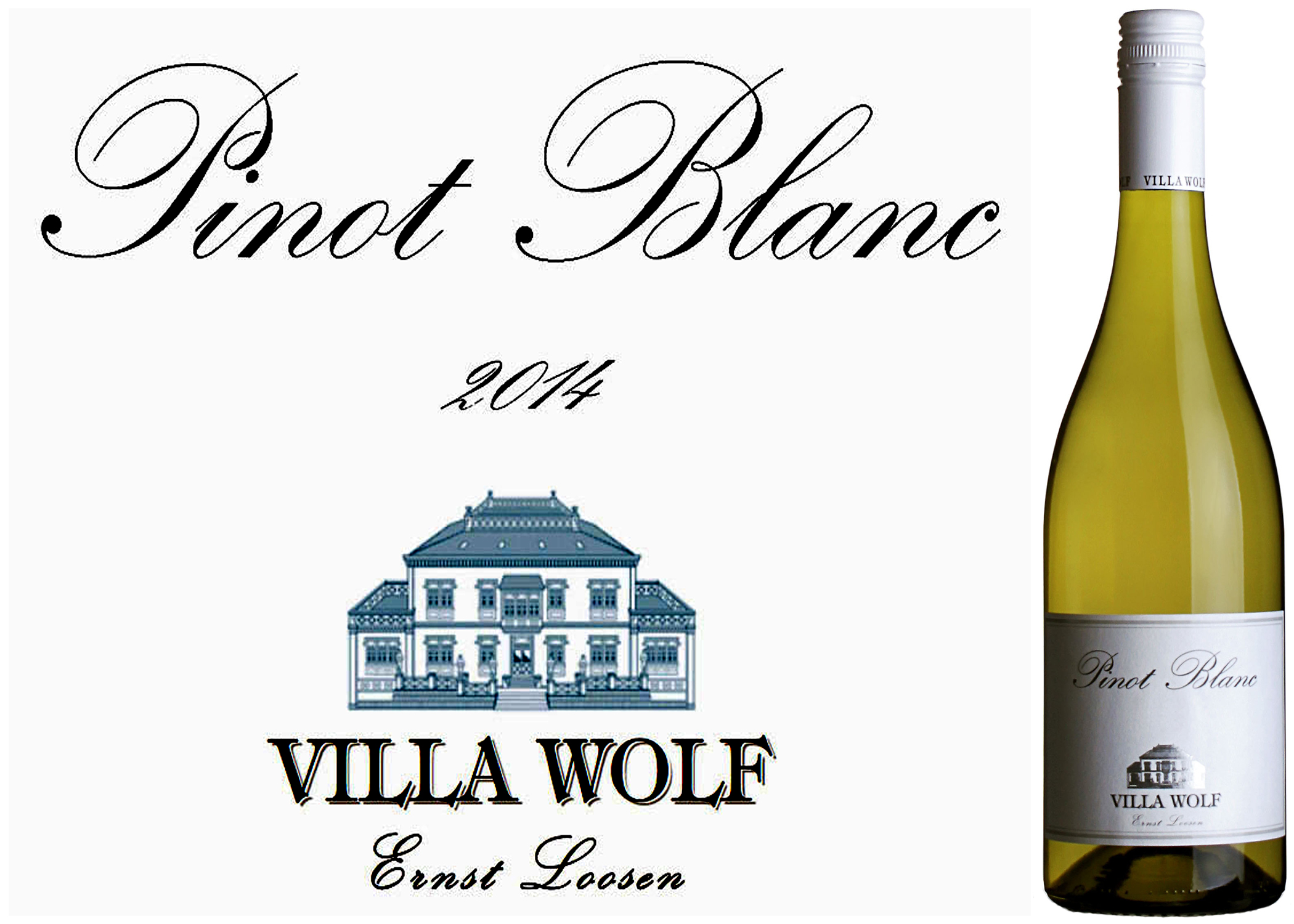
Whereas Pinot Blanc has been derisively referred to as Pinot Bland elsewhere,
in this week’s DéClassé featuring of Villa Wolf Pinot Blanc 2014–this couldn’t
be further from the case. Certainly it’s a lighter wine style, but one that uniquely
benefits from the Pfalz’s sandstone soils and climate; better ensuring a harvest
of fully ripe grapes. The minimal processing and fermentation with natural yeast
yields a crisp, fruit-driven wine with a delightful purity. Stock up your wine-larder
now, knowing that 2 or 3 bottles – makes an excellent pairing for Thanksgiving!

Villa Wolf

VILLA WOLF PINOT BLANC 2014
VINTAGES – LCBO Product #374959 | 750 mL bottle
Price $ 14.95
13% Alcohol/Vol.
Sugar Content Descriptor: D

Made in Pfalz, Germany
By: Ernst Loosen
Release Date: September 19, 2015

Tasting Note
Pleasingly tart and refreshing, the apple aromas and apricot flavours finish with
a light dusting of sweet herbs. Well paired with roast chicken or veal, fresh pea
risotto or smoked ham and cucumber salad as lunch fare.