Unknown's avatar

About Stephan Droege

With a specific focus on characterful and overachieving wine in the $15 to $18 price-point range, DéClassé aims to expand the readers' taste and curiosity about a diversity of wine styles--while exploring the winemakers in a cultural and historical context. Thank you for visiting the site!

Bordeaux Alert

The designation Bordeaux Supérieur is a qualified, superior grade in comparison
to standard Bordeaux AOP wines. As aspiration, they intend to be more layered
and rich due to 3 primary mandates of the appellation: higher planting density of
vines to promote healthy competition between their root systems for nutrients;
judicious pruning to tailor harvest yields and concentrate grape character, and
finally, the typical .5% increase of alcohol level, reflecting the careful selection of
mature fruit from older vines with sufficiently developed, natural sugar content.

The greatest concentration of Supérieur producers is in the peripheral areas
north of Pomerol and St-Emilion though fully 25% of all vineyards throughout
greater-Bordeaux are dedicated to achieving this target grading. The diverse
patchwork of 38 sub-regions encompassing 60 AOC appellations, also divided
into a lengthy list of individual, legendary plots, is somewhat more decipherable
with the understanding that most are anchored around key, namesake towns
and villages. Moreover, they’re further distinguished by being grouped around
the Gironde Estuary at the region’s Atlantic end, or inland along the converging
Garonne and Dordogne rivers. Lastly, the paths of these 3 waterways, roughly
drawn as a diagonal line through the region, provide demarcation for which of
the vineyards and wines are of so-called Right or Left Bank origin. North of the
Dordogne is Right, south of the Gironde and Garonne is Left. An added anomaly
is the sizeable zone between called Entre-Deux-Mers (between 2 seas). It’s all
delightfully bewildering, this vast collection of 7,375 wine-producing Châteaux!

As for price-point range, the loose designation of petit Château encompasses
thousands of producers who don’t officially qualify as Cru Classés: the 5 top-tier,
Bordeaux classifications. In many cases, their vineyards are located right next
to those of better-recognized brands. In rarer instances, there are microclimate
and soil composition factors that innately result in differing wines being yielded
from plots nearby to each other. However, cost and desirability are generally
determined by the reputation of a particular vintage and how much investment
in production there has been by the estate. Despite a common perception that
the offerings from Bordeaux tend toward premium pricing, a significant majority
of Bordelais vintners sell their red and white wines, fairly, at between $15-25.

Fronsac is among the better-known Right Bank appellations where blended reds
are distinctively built around an early ripening Merlot grape; a robust variety that
has the ability to develop adequately in slightly cooler terroirs. The nature of the
resulting wine is typically more supple and softer than the tannic and intense,
Cabernet Sauvignon, hybrid counterpart – which characterizes Left Bank blends.
Partially hidden among 180 growers in the Les Vignerons du Fronsadais co-op
is Château des Moines Menodin, which has already done the cellaring work for
this week’s DéClassé feature. The secret is out and this will rightfully sell quickly.
If you haven’t enjoyed a remarkably inexpensive 2009 or 2010 Bordeaux lately,
then here’s a great starting point for their rediscovery. Drink now thru 2016.
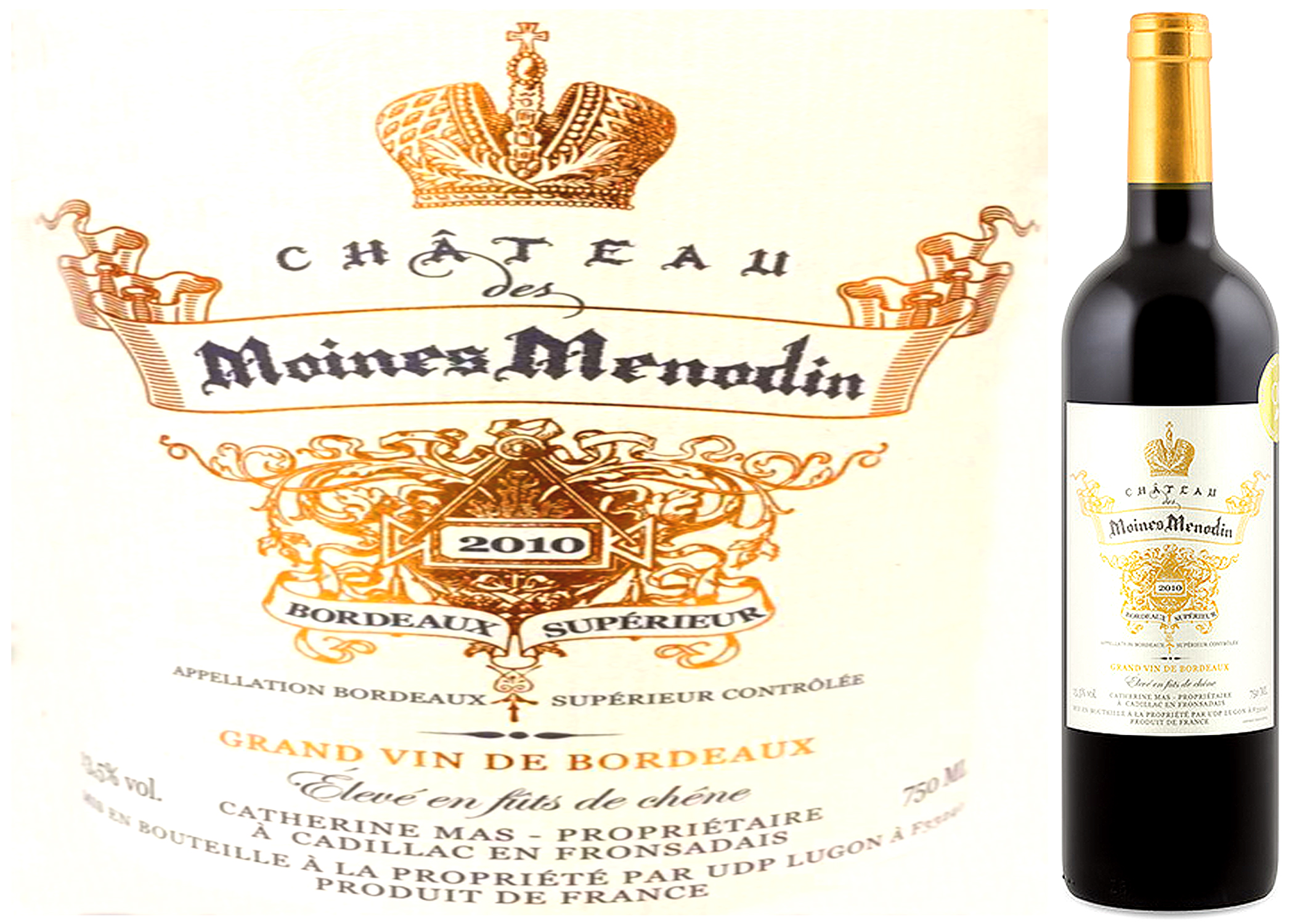
Chateau Des Moines

CHATEAU DES MOINES MENODIN 2010
VINTAGES – LCBO Product #424259 | 750 mL bottle
Price $ 14.95
13.5% Alcohol/Vol.
Sugar Content Descriptor: XD

Made in: Bordeaux, France
By: Catherine Mas, Prop.
Release Date: August 22, 2015

Tasting Note
This garnet coloured, fleshy, fully rounded table wine has loads of red fruit flavours
and aroma, accented with cassis, vanilla and spice. Try it with grilled asparagus,
roasted veal, or a baked Brie served on savoury bread crisps.
Garnacha Tinta Alert

As a signature example of both Spanish modern and old school winemaking
methods, this fresh-fruited red represents the vanguard for well-made table
wines in Spain’s blossoming, quality-revolution. Here in the extremely hot wine
country around Alfaro, it’s a desirable combination, which deftly pairs innovation
with deeply rooted tradition. It is modern, in that the updated production style
of minimal, mechanical handling and filtering helps to preserve the brightness
of the wine, balanced with a softer, integrated presence of Oak. The old school
facets are a higher blending proportion of 50% Garnacha Tinta (Grenache)
into the standard Tempranillo base, as well as, incorporating small batches of
finished wine from the previous vintage (max. 15%). Both are typical in this 3rd
La Rioja sub-region called Baja – home to this week’s DéClassé featured wine
from vintner, Bodegas Palacios Remondo.

Winemaker and visionary figure, Alvaro Palacios, has for some time now been
making news in the wine world with his influential strategies of promoting the
development of quality over quantity. As of this Spring, he is the news, in having
been declared Decanter Man of the Year 2015 by the well-regarded journal.
It’s an apt, crowning juncture for a cutting edge winery that purposefully dared,
in a key transition period, to cut output from 200,000 cases of unremarkable
bulk wine to 50,000 of refined grades – a business risk that’s now paying off.

La Vendimia (‘the harvest’) is a solid version of a Spanish Joven designation;
a decidedly young wine, which has been barrel-aged for less than six months.
Here on the arid, rocky slopes of Monte Yerga, the Bodega draws fruit from
240 hectares of 10-40-year-old vines, grown organically, without irrigation, at
some of Rioja Baja’s highest altitudes (+550m). Along with the varietal bottling
of 100% Tempranillo, famously fashioned in the other two La Rioja sub-regions
of Alta and Alavasa, this is as close to a perfect, informal sipping wine that Spain
currently produces. By design, it’s meant to be enjoyed young and year-on-year,
continues to be offered at a modest price-point. That’s very much, still the case!

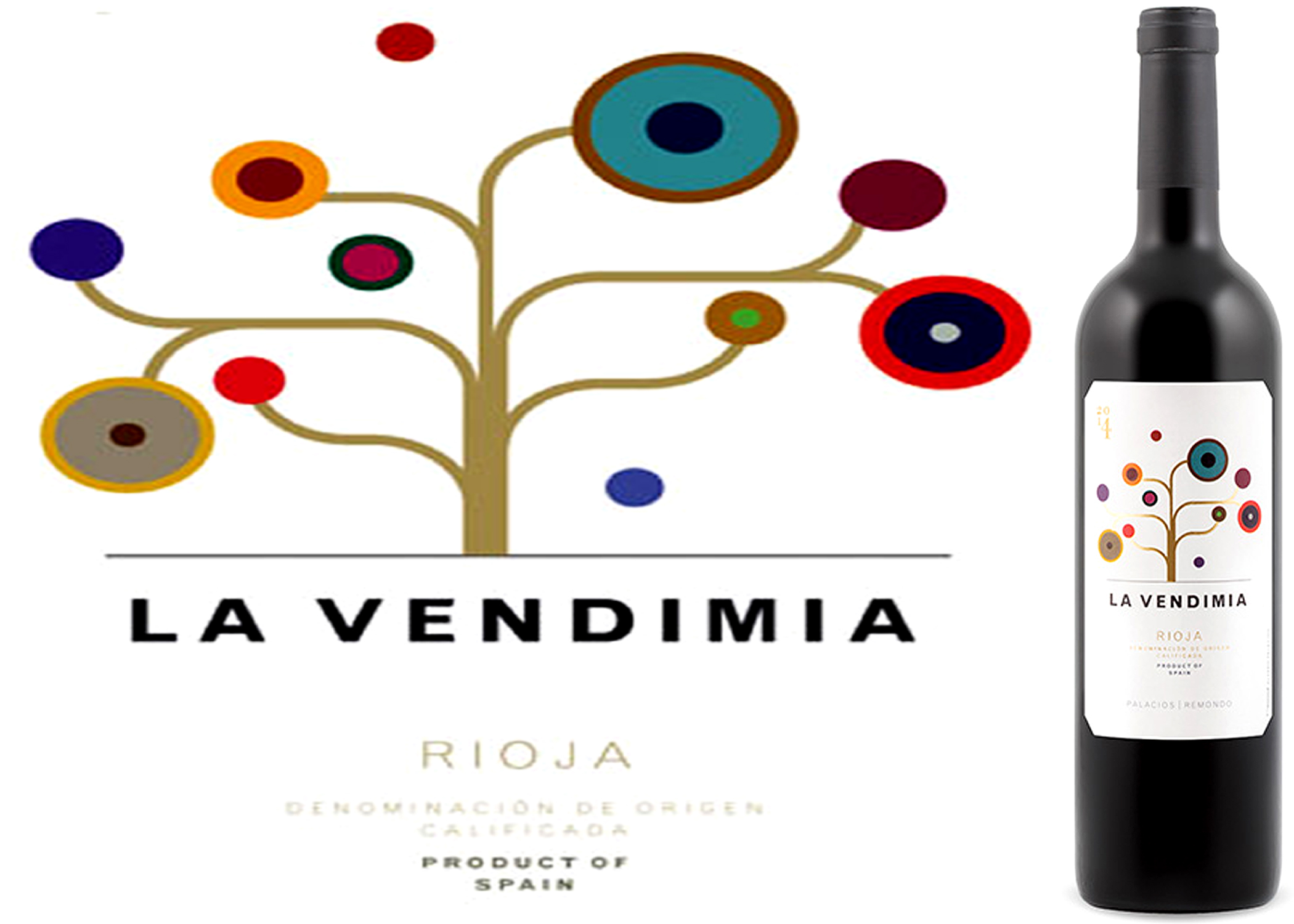
La Vendimia

PALACIOS REMONDO LA VENDIMIA 2014
VINTAGES – Product #674564 | 750 mL bottle
Price $ 15.95
14.0% Alcohol/Vol.
Sugar Content: D

Made in: Rioja, Spain
By: Bodegas Palacios Remondo
Release Date: August 22, 2015

Tasting Note
Consistently well made, this cherry-coloured, fruit-driven wine reveals aromas of
blackberry jam, raspberry and a hint of Garrigue (fragrant, wild Mediterranean
shrubs). Enjoy this on its own or with hearty fare such as Ratatouille, lamb ragout,
or pretty much most BBQ-roasted dishes.

Crémant Alert

Finished using the méthode traditionelle, this is the non-Champagne descriptor
for a fairly involved, in-the-bottle, secondary fermentation process employed to
create premium grades of vins mousseux (sparkling wine); originating in one of
eight approved AOC’s in France for the wine style; according to the negotiated
regulations established in the 1970’s. The best known of these include Crémant
d’Alsace, Crémant de Bourgogne, Crémant de Limoux 
and Crémant de Loire.
Moreover, the latter is further distinguished as 3 parcels of unique terroir, whose vineyards sprawl along the valley slopes and banks of a meandering Loire River: Touraine, Anjou and the most prolific of all, Saumur – the fertile source for this
week’s DéClassé featured Bouvet Brut Excellence.

It’s an ebullient assemblage of mainly Chenin Blanc, the region’s flagship grape
that’s also known as Pineau de la Loire and a splash of Chardonnay, a migrated
variety that’s often referred to, generically, as white Burgundy – contributing
added depth and softness to the wine’s body, mouthfeel and range of aromas.
Aged in the winery’s deep limestone cellars, these wines must be left to mature
in-bottle for a minimum period of 12 months. However, as is the common case
with the finishing of non-vintage crémant (or Champagne, for that matter), the
vintner is free to incorporate into the final blend, a dose of stored wine from a
previous harvest – thereby better ensuring the year-to-year consistency of the
brand’s intended character and flavour profile.

As early as the 6th century, the monks of the Abbey of Saint-Maur had begun to
cultivate, refine and gradually proliferate some of the white wine yielding grapes
that now thrive in the valley’s chalky soils or pierres de tuffeau. This underlying,
light-coloured, fine-grained and fossil-laden limestone, with a long history of use
as a quarried building material, has also given the Loire’s photogenic cathedrals,
châteaux, monuments and towns their distinctively luminous personality. This both
above and below ground, as in the case of Maison Bouvet Ladubay’s surprising,
5 mile-long cellar. It’s actually an excavated cave, first begun a millennium ago by another monk order, Saint Florent, who used the stone in the construction 
of their Abbaye La Belle d’Anjou, est.1040AD. Now invested with an artist commissioned installation of 35 architectural clusters, including carved pillars, capitals and arches,
the Underground Cathedral  is an ode 
to 10 centuries of skill and intricate labour
by the Loire’s inspired stonemasons. It’s also a contemporary contribution to the
storied, natural and cultural landscape between Sully-sur-Loire and Chalonnes; deservedly declared as a UNESCO World Heritage Site in 2000.

So, as you delight in this expertly made, dimensional and bubbly offering, see if
you can experience some hinting references to the land and the prideful culture
from which it comes. If you can’t, then be satisfied with having picked up several
bottles of an extraordinary value in the state-of-the-art, crémant wine making.

Bouvet

BOUVET BRUT EXCELLENCE CREMANT DE LOIRE
VINTAGES – LCBO Product #303636 | 750 mL bottle
Price $ 17.95
12.5% Alcohol/Vol.
Sugar Content Descriptor: D

Made in: Loire, France
By: Bouvet-Ladubay
Release Date: August 8, 2015

Tasting Note
This is a particularly zesty, pale golden-amber, crisp and dry sparkler with a fruit
and honey bouquet, with some surprising berry flavour notes in among the
expected apple, pear and citrus. Try this as a spritzy apéritif with soft cheeses, charcuterie and hors d’oeuvres or with seafood and freshwater fish.

Sangiovese Alert

The somewhat mysterious Etruscans are an Italianate culture that proceeded
and laid a foundation for the much later Roman age. Though their winemaking
traditions in Tuscany, Umbria and Lazio can be dated roughly to 1000BC, the
far less ancient vineyards now overseen by head winemaker Benedetta Contini
Bonacossi has a relatively contemporary history that’s rooted in the Italian
Renaissance. Their 100-hectare Cappezzana estate on the slopes of Monte
Albano north-west of Florence was part of a large land holding of the influential
Medici Grand Dukes. After centuries of twists and turns in ownership, passing
in title through numerous Tuscan nobilities, it was acquired by the Bonacossi
family early in the 1920’s. Historically, the wine output of this small agricultural
area was an undistinguished part of the greater, Chianti designation of origin;
the estate now produces its premium wine lines within the Carmignano DOCG
(Denominazione di Origine Controllata e Garantita), established in 1990.

The appellation covers 450 hectares of vineyard around the namesake town of
Carmignano with its evolving history as a vinicultural nursery. In the 18th century,
under guidance from the Grand Duke Cosimo III, the region’s range of grapevine
plantings were expanded, including the adopting of French Cabernet Sauvignon;
now one of the allowable and distinctive components in the region’s basic blend.
Built around the starring grape, Sangiovese, the classic Tuscan recipe also calls
for incorporating splashes of indigenous Canaiolo Nero and Cabernet Franc to
help round out the structure, flavour and aroma.

In the modern age, the Cappezzana winery is also producing more youthful red
wines employing the same varieties, under the umbrella of a parallel appellation:
Barco Reale di Carmignano DOC created in 1994. These are only a lesser
grade in the sense that they’re fashioned from younger vines and aren’t officially
subject to the more stringent, ageing requirements of Carmignano (a minimum
2 years) prior to release. Nonetheless, this week’s DéClassé feature has spent
12 months in tight-grained Allier oak barrels and much more in the bottle. With sufficiently smoothed tannins, this very well-made, layered, fresh and charming
offering is ready to punctuate your well-laid dinner table now.

Barco Reale

CAPEZZANA BARCO REALE DI CARMIGNANO 2012
VINTAGES – LCBO Product #508531 | 750 mL bottle
Price $ 17.95
13.5% Alcohol/Vol.
Sugar Content Descriptor: XD

Made in: Tuscany, Italy
By: Conte Contini Bonacossi
Release Date: August 8, 2015

Tasting Note
As the wine is made with younger fruit, it has a decidedly bright, red-berry flavour
profile, but also offers complimentary hints of Cassis and spice. Try serving with
dishes such as pasta with Bolognese sauce or heartier stews and tapas.

Muscat Alert

Suggestively expressing its dual, Franco-German, cultural-heritage, the dramatic Wolfberger branding logo and graphic also reveal its founding in 1902 – one of numerous, auspicious points in Alsatian history. At the turn of the 20th century, the region had regained a nominal degree of self-governance while under the banner of a still-fledgling, German federation. Flash forward 60 years, past three more territorial swaps – to discover that this resilient winery, having begun with a modest investment in 60 Hungarian oak barrels, has evolved into a prolific co-op of 450 vignerons (vintners), tending to vineyards that are, indisputably, a unique part of a diversified French republic and its northeastern, winemaking terrains.

The Alsace AOC (Appellation d’Origine Contrôlée) established in the 1960’s, with its fairly stringent requirements, reflects the prideful desire to codify and project Alsatian grape-growing and winemaking expertise. In being the largest of the 3 related appellations, almost ¾ of the region’s vintners work within its guidelines, sharing geography with a small number of estates that are AOC designated as Alsace Grand Crus (select land parcels) or Crémant d’Alsace (sparkling wine). Their production of varietal white wines such as Gewürztraminer, Riesling, Pinot Gris and Blanc, Sylvaner, Auxerrois and this week’s DéClassé featured Muscat, tend to be regarded as benchmark examples. With the near-global proliferation of these adaptive varieties, Alsatians are deserving of and prudently cautious in guarding their regional distinction that’s taken centuries to forge. Arguably, they remain in leadership for the cultivation and ongoing development of these cool climate grapes and finishing styles – just ahead of the growing competition.

Sold in a distinctively shaped bottle known as the Flute, the tall and slender form personifies the wine source as being from the greater Rhine region; shared on both sides of the river that marks the modern, French and German border. It’s also suggestive of the content’s often refined and un-doctored nature, a result of the wise, practiced and unobtrusive touch by the winemakers. Their offerings of wines are well-suited to a traditional, gastronomic mix that can range from Choucroute à l’Alsacienne: cabbage with steeped potatoes, various meats and sausage, to Pâté de foie gras: pastry-wrapped, goose liver paté with truffles, or Flàmmeküeche: flatbread with crème fraîche, sliced onion and smoked lardons.

Not to be confused with the often-sweeter Muscats from the south of France, this dry wine, lightly chilled, is also lovely on its own – especially in summer. It’s Muscat time at the LCBO; it comes around far too infrequently. Buy lots!

Wolfberger

WOLFBERGER SIGNATURE MUSCAT 2013
VINTAGES – LCBO Product #408211| 750 mL bottle
Price $ 16.95
11.5% Alcohol/Vol.
Sugar Content Descriptor: D

Made in: Alsace, France
By: Wolfberger
Release Date: July 25, 2015

Tasting Note One of a very few white wines that noticeably imparts fresh table grape aromas and flavours, this pale yellow version also has subtle and intriguing notes of rose and lychee fruit. Try this as apéritif with Muenster cheese, as an appetizer with asparagus and hollandaise sauce or with mains such as light Thai recipes.

Pecorino Alert

Separating the Italian and the Balkan peninsulas, the turquoise and generally
calm waters of the Adriatic Sea lap up alluringly against the full length of Italy’s
eastern shore – from north of Venice to south of Brindisi. Roughly mid-way down,
20km or so inland of the balmy coast lies the town of Offida with its surrounding,
grape growing terroir. A part of Ascoli Piceno province, this is the southernmost
sub-region of Le Marche. Framed between the verdant foothills of the Apennine
mountains and the tempering influence of the sea, vintners are diligently tending
to a handful of resurgent, regionally distinctive, indigenous grape varieties and
finishing styles that range from the very dry through slightly sweeter, to frothy.

They also still proudly reference 1st-century writings by Roman historian and
naturalist, Pliny the Elder, who understatedly described Marche wines as being
generous. Well their red wines certainly are – but there’s also an array of novel
whites on offer here. Along with the stalwart grapes Verdicchio and Trebbiano
that flourish a little to the north, here in Piceno the various versions of Passerina
and Pecorino also have unique potential to impart nuanced and delicate layers
of flavour. The winemaking finesse shows itself in being able to deftly integrate
a fairly hefty 14% level of alcohol. Though at the very top end for dry white wine, somewhat elevated alcohol content reveals that fully ripe fruit was harvested
at its peak, generally providing the resulting wine with more body.

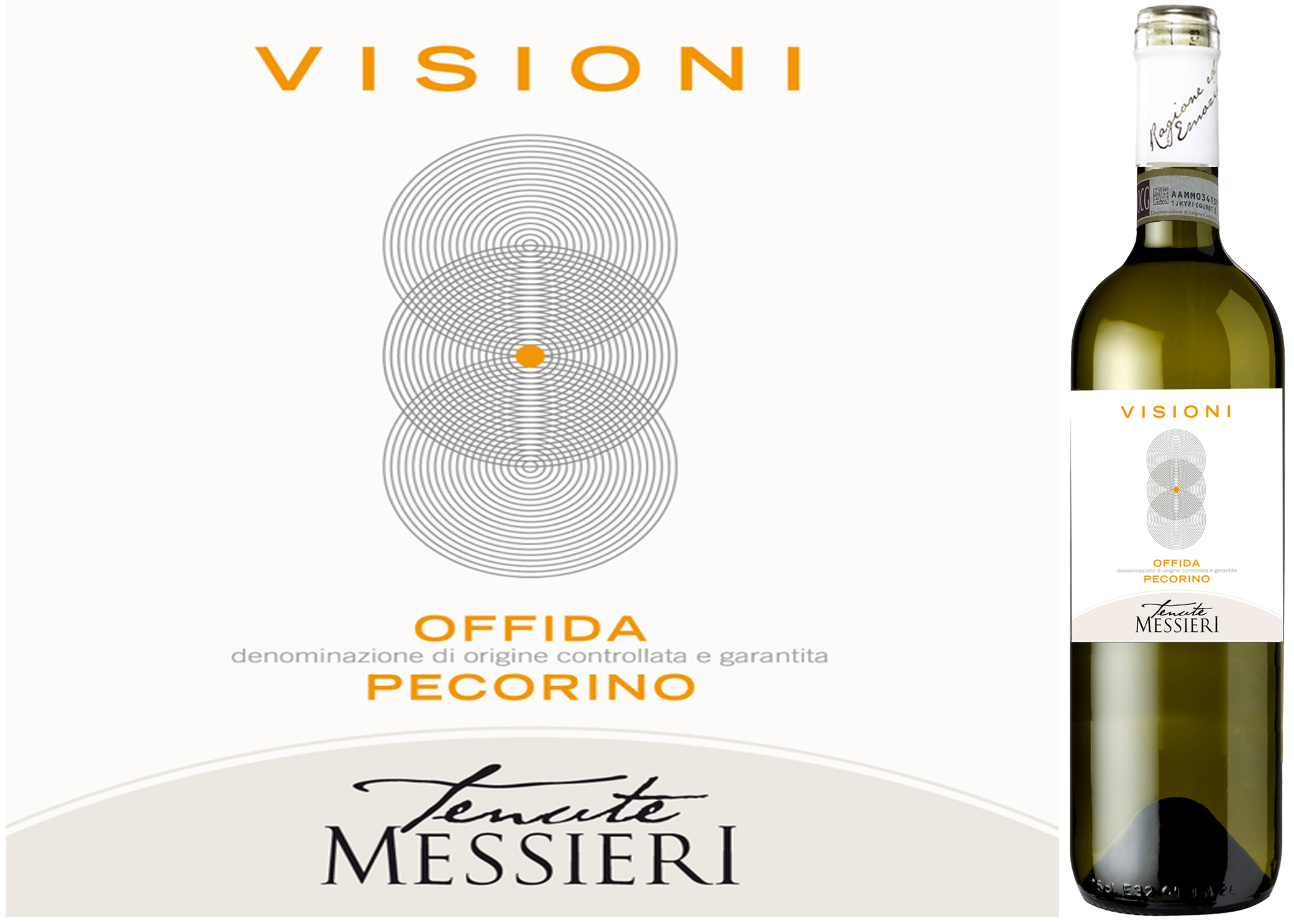
This week’s DéClassé featured Tenuta Messieri is a vintner deeply committed
to reviving the cultivation and varietal bottling of Pecorino. This grape variety,
offering low yields and primarily only used as a component in blended whites,
had fallen out of commercial favour and was near to extinction. With the vision
and 
daring by vintners to promote Pecorino as a stand-alone wine, it is now
being touted as one of the flagship varieties in the Offida DOC. Its strong suits
as a fragrant, fuller-bodied white with a sufficient counterbalance of acidity – is
finding an appreciative following and the necessary market.

I recommend you briskly walk past the familiar Pinot Grigio, Trebbiano, Soave and Verdicchio that’s largely available all year round, then dash with purpose toward
the time-limited, LCBO Vintages shelf-slot for this far more unusual and surprising
wine. It will hold up in your cellar for some time, so have no fear to buy enough
stock to see your dinner guests through the fall and deep into winter of 2016!

Pecorino

TENUTE MESSIERI VISIONI OFFIDA PECORINO 2012
VINTAGES – LCBO Product #414011| 750 mL bottle
Price $ 16.95
14% Alcohol/Vol.
Sugar Content Descriptor: XD

Made in: Marche, Italy
By: Cocci Grifoni
Release Date: July 25, 2015

Tasting Note
This medium-bodied, straw-yellow wine imparts a range of soft floral aromas
with melon, peach and restrained, tropical fruit flavours. Try this with poultry,
fresh fish, or as a classic pairing with Fava beans and shaved Pecorino cheese.

Rioja Alert

Hilltop monasteries and other now-tumbled stone fortifications built-up over the centuries, lie littered about and imbued into these richly historic lands of North
Central Spain. Sharing a border with the former Franco-Spanish, medieval
kingdom of Navarre, the regional identity of Rioja is equally distinct on its side
of the modern boundary. Apart from holding a unique place in the diverse Spanish
cultural patchwork, its vintners are among the visible leaders of competitive and progressive wineries in Iberia.

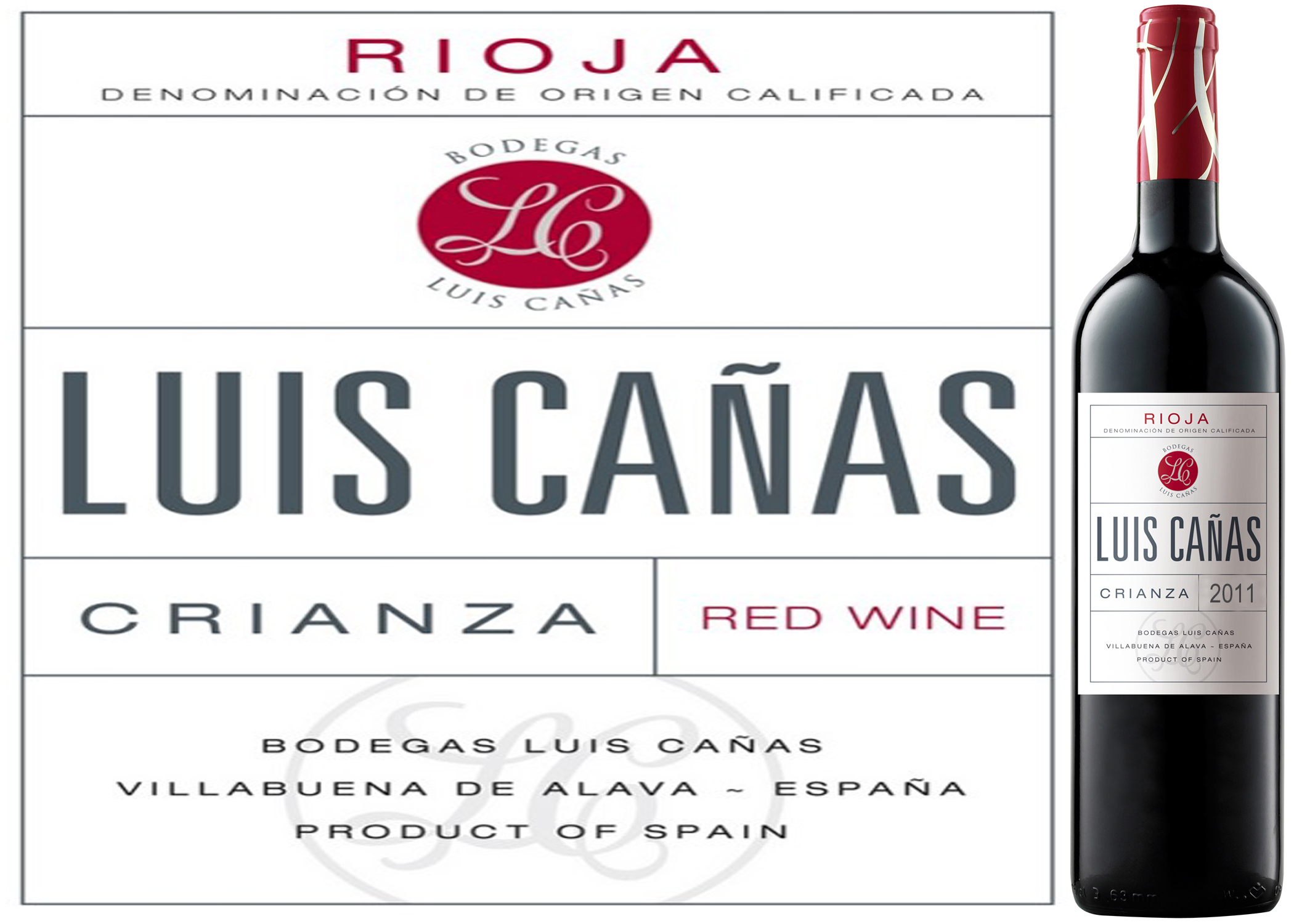
The larger, designated wine denomination of Rioja is actually comprised of three
sub-regions: Rioja Baja, Rioja Alta and the source of this week’s DéClassé focus:
Rioja Alavesa; which in turn, is considered a part of so-called Basque country. In
this zone, the Sierra Cantabria ridge of mountains provide sheltering geography
for 350 h. of vines either owned or directly managed by Bodegas Luis Cañas.
The vineyards are widely distributed over 870 small, individual plots, so drawing
fruit evermore discerningly has been both the challenge and the key strategy
pursued by the vintner toward producing an expanding range of premium wine.

Once focused only on less-remarkable, bulk winemaking, the steady process of
upscaling quality by employing advanced production techniques has also been
influenced by the agricultural reality of prolonged drought. In the current period
of the last 5 growing seasons or so, this stress is condensing yields but is also
bolstering the layered character of the smaller grape clusters. Nonetheless,
impressively, this irrepressible Bodega still remains capable of producing more
than167,000 cases of fruit yearly – in a virtual desert!

This modern Rioja style blends 95% Tempranillo grapes with a small splash of
Garnacha (Grenache) to top up its fruitiness. Making up fully ¾ of all rootstock
planted in this storied region’s vineyards, Tempranillo’s name is derived from
the Spanish temprano meaning early and it does reliably ripen quite early. The
designation as Crianza means that it’s spent one year in oak casks and another
in the bottle prior to release. The use of mellowed, 3-year-old French barrels
coupled with the star grape’s naturally soft tannins, translates into a pleasing
mouthfeel. Albeit still youthful, this lively, medium-bodied red is ready-to-go and
may become somewhat more velvety as it settles. Though not really destined
for long-term storage, you can certainly dare to hold this well-crafted example
of the excellent 2011 vintage for at least several years. For those with less will,
be encouraged in knowing that Rioja’s 2012 harvest, also anticipated as very
good, is almost on its way – to replenish the empty slots on your rack.

Luis Canas

LUIS CANAS CRIANZA 2011
VINTAGES – LCBO Product #336719 | 750 mL bottle
Price $ 17.95
14% Alcohol/Vol.
Sugar Content Descriptor: XD

Made in: Rioja, Spain
By: Bodegas Luis Canas S.A.
Release Date: July 11, 2015

Tasting Note
With a complex mix of dark, red fruit aromas and flavours that features cherry,
raspberries and fig, try serving this to keep up with most anything prepared on
a charcoal grill, including beef tenderloin brochettes, Chorizo sausages or as an
apéritif with semi-ripe cheeses and spicy tapas.

Vinho Verde Alert

Monção is the most northerly wine making sub-region of the Vinho Verde DOC,
which in turn is tucked into the most northern province of Portugal. Here on the
frontier with Spanish Galicia, the agricultural terroir is influenced by the damp
coastal climate of the eastern Atlantic. The white grapes growing among these
misty, forested hillsides that line the Rio Miño river valleys are necessarily fast
maturing varieties. The vines are often pruned into an overhead canopy style
that promotes better air circulation between both the leaves and around the
fruit clusters; guarding against fungal diseases that can be more prevalent with
elevated and prolonged moisture levels.

This week’s recommended vintner is Adega Cooperativa Regional de Monção,
based in the heart of Melgaço, a still-vibrant historical town whose intriguing
stone walls provide both the bottle’s namesake and graphic. Over the past half
century, the 25 original co-op visionaries have achieved an enviable reputation
as being consistent producers of quality wine. This despite numerous variables
involved in sourcing grapes from an additional 1,700 individual growers, each
of whom contributes from very small plots – typically only one hectare or less.

Becoming a seasonal tradition, spring sees DéClassé promoting a Vinho Verde,
though this year’s familiar LCBO Vintages release of Muralhas de Monção has
arrived somewhat later. This particular Loureiro blend of so-called green wine
(more likely to mean young) is built with 2 noble grape varieties: the indigenous,
Portuguese Trajadura paired with the aromatic and slightly spritzy Alvarinho.
The latter’s heritage lies across the border in Spain and contributes slightly
higher alcohol levels than is the DOC norm for this wine style, clocking in at
12%. Summer has finally come, so celebrate by uncorking some of this bright,
ebullient bottling of sunshine – to enjoy alongside lighter food fare offerings at
your next al fresco meal on the patio!

Muralhas

MURALHAS DE MONÇÃO VINHO VERDE 2014
VINTAGES – LCBO Product #80374 | 750 mL bottle
Price $ 15.95
12% Alcohol/Vol.
Sugar Content Descriptor: D

Made in: Monção e Melgaço, Portugal
By: Adega Coop. Regional de Monção
Release Date: July 11, 2015

Tasting Note
This divinely fresh wine has aromas of grapefruit and apricot mingling about
apple flavours. With a pleasing structure of acidity and minerality, it’s a natural
complement to seafood, white meats, pasta and light cream or pesto sauces.

Sylvaner Alert

Firmly part of territorial France in the 21st century, Alsace has been enriched by
its dual Frankish and Germanic cultural history, but has also experienced some
geopolitical upheaval due to the competing aspirations of its 2 parent nations:
Colonized by 1st century BC. Romans; then allied with the Medieval Holy Roman
Empire a millennium or so later; occupied by ambitious 16th century French Kings;
annexed by Germans in the late 19th century during the Franco-Prussian War;
ceded back to France in the terms of armistice following the First World War
and finally, after many areas were entirely destroyed in the second world war
bombing campaign by Allied forces – reaffirmed as French again. Throughout
all of this tumult, steadfast Alsatians have rebuilt and found many ways to keep producing fine grapes and a highly distinctive quality of wines.

Geographically bookended by the banks of the Rhine River to the east and the
Vosges Mountains westward, an undulating, fairytale-like landscape of verdant
vineyards is punctuated by castles on hilltops and half-timbered, half-plastered,
colourfully painted villages and towns such as ancient Sigolsheim. This is home
to this week’s DéClassé recommended, varietal bottling of a Sylvaner: Alsace’s
lesser-known, golden-yellow grape. As is often the case with once-popular styles,
in cycles, careless overproduction of a high-yielding grape to satisfy the market, can 
result in the making of unremarkable wine; thereby depressing demand or
eroding a producer’s reputation. Arguably, this is somewhat more Sylvaner’s
legacy across the border in Germany rather than in northern France. Here, the
AOC standards established in the1960’s, better ensure a judicious practise of pruning to tailor yields and traditional, hands-on harvesting to boost quality.

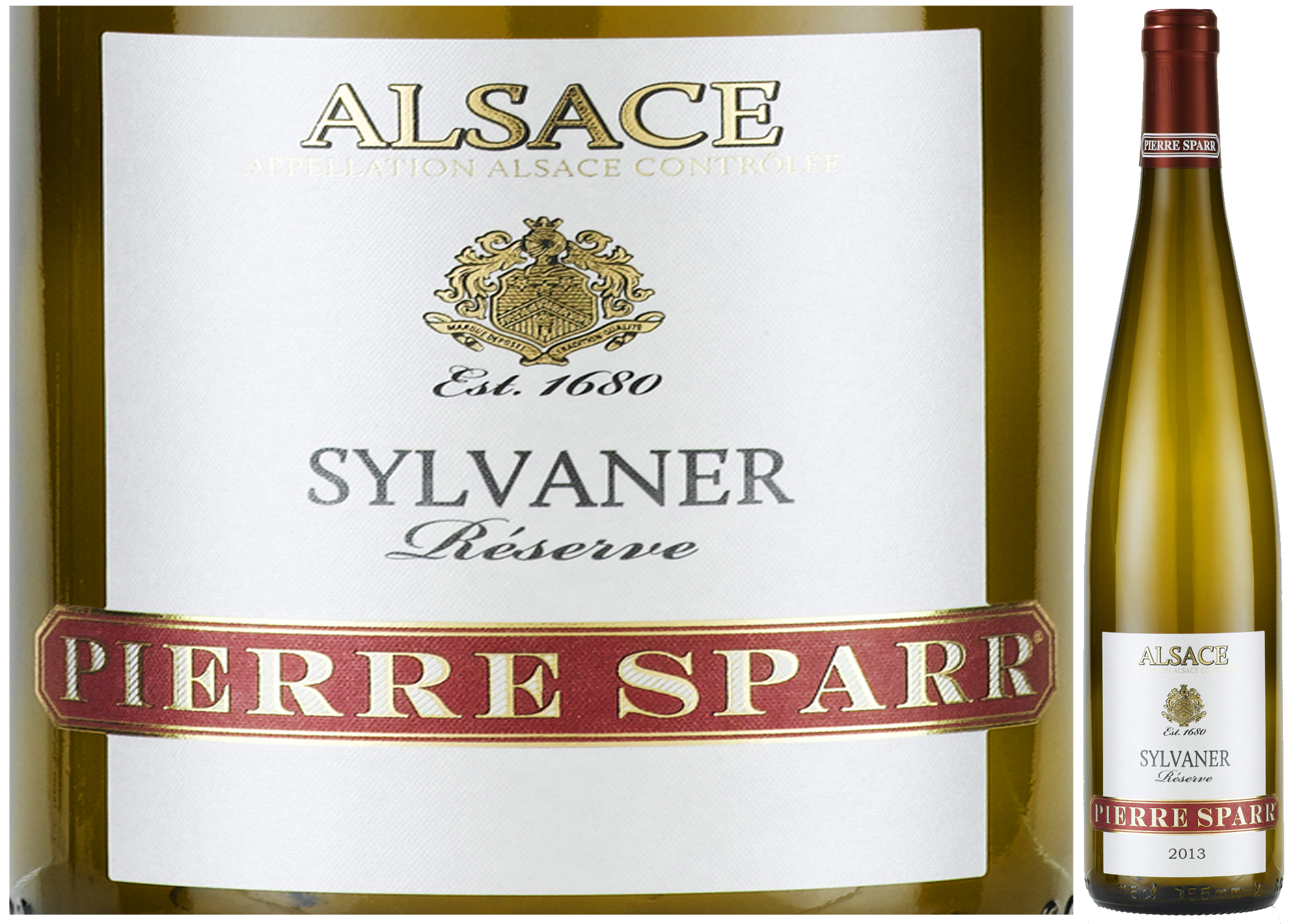
Bernard Sparr is the current vintner heading Maison Pierre Sparr Successeurs,
following in the lineage of 9 family generations that date to 1680 and the reign
of Louis X1V. Proud Alsatians, the House of Sparr has been tending to their 37
hectares of vineyard in the Haut-Rhin (upper Rhine) for a very long time. In the
modern age, they’ve expanded collaborations with a select group of regional
growers, drawing fruit from an additional 150h. With this increased output the
brand has evolved into one of the region’s more renowned and identifiable.

Sylvaner is a delicate and charming summer white, whose release onto shelves
here should be on your calendar of time-limited selections to be on the lookout
for; this time of year. Stock up and serve this dry wine chilled, though not cold,
or you’ll miss some of its subtle layering of citrus, apple and pear flavours.

Sylvaner

PIERRE SPARR RESERVE SYLVANER 2013
VINTAGES – LCBO Product #408179 | 750 mL bottle
Price $ 13.95
12% Alcohol/Vol.
Sugar Content Descriptor: D

Made in: Alsace, France
By: Cvb Maison Pierre Sparr Successeurs
Release Date: May 16, 2015

Tasting Note
Try serving this beguiling, light, white flower and lime-scented refresher with
salad and onion tarts, choucroute, smoked ham hock and sausages, all sorts
of freshwater fish dishes or as apéritif with pickled herring.

Syrah Alert

Having begun with the planting of its first vineyards in the so-called new world by
16th-century Spanish conquistadors, Chile’s somewhat surprising 500 year-long
history of making wine coupled with the recent development of new vine growing
regions – continues to impress and amaze. For a time, as of the mid-1800’s, its
output was of a middling grade, aiming to produce reasonably well-made bulk wine
for local markets and consumption. This fact is equally true of many, so-called old
world regions in Europe during the same time period and through to the middle of
the 20th century. Chile though has not simply kept pace with the rise of highly competitive, premium wine production and export, rather 
it has become a leader
on this globalized scene. They’re excellent wine makers!

Revealingly expressed in the often difficult history of the indigenous Mapuche
(earth people), is a reputation for personal courage, strong communal identity
and a fierce and unconquerable spirit. An essence of this carries forward, as
modern Chilean vintners continue to innovatively exploit challenging geography
for agricultural cultivation while demonstrating great concern for sustainability.
Framed between an endless Pacific coastline to the west and Andean peaks to
the east, the regional designation called Entre Cordilleras (between mountains)
is a collection of verdant, inland valleys including Colchagua: home to some of
the wine world’s most progressive vineyards – excelling at fashioning Malbec,
Syrah, Carménère and Cabernet Sauvignon wines.

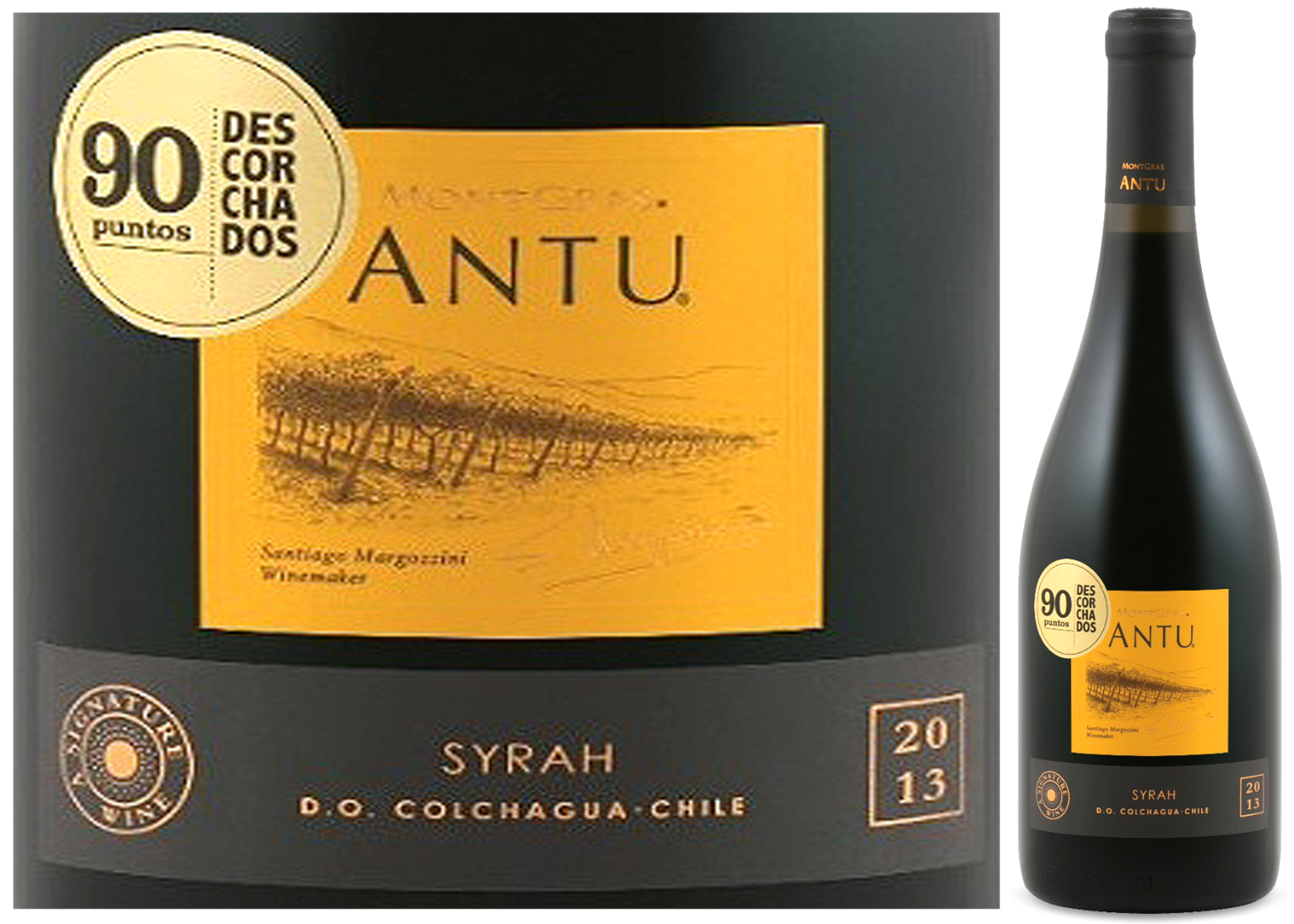
For this week’s DéClassé recommended bottling of a ripe Syrah, the source is
Ninquén, meaning ‘Plateau on a Mountain’ and so it is. The 27-year-old Antu
estate is a visionary addition to the holdings of Viña MontGras, whose guiding
philosophy is based on the highly selective integration of agriculture into the
rugged, natural landscape. There’s very little that’s rough in this offering from
the brothers Hernán and Eduardo Gras, having spent 16 months settling in a
combination of 30% new and 70% second use, French Oak barrels. It’s ready
to be uncorked, though you might challenge yourself to put several aside for
another year – after having tried one now, outdoors at an upscale BBQ.

Antu

NINQUÉN ANTU CHILEAN MOUNTAIN VINEYARD SYRAH 2013
VINTAGES – LCBO Product #675371 | 750 mL bottle
Price $ 17.95
14.5% Alcohol/Vol.
Sugar Content Descriptor: XD

Made in: Colchagua Valley, Chile
By: Viña MontGras
Release Date: June 13, 2015

Tasting Note
A robust red wine made of dark, ripe plum and red current fruit. Soft tannins
blend easily with balanced touches of sweetness and spice. Try serving this
slightly chilled alongside rich, braised meat or barbecued vegetable kabobs
and marinated Portobello mushroom caps.