Unknown's avatar

About Stephan Droege

With a specific focus on characterful and overachieving wine in the $15 to $18 price-point range, DéClassé aims to expand the readers' taste and curiosity about a diversity of wine styles--while exploring the winemakers in a cultural and historical context. Thank you for visiting the site!

El Bierzo Mencia

Among the most exciting of Spanish wine producing frontiers, the El Bierzo DO is a unique part of the autonomous region of Castilla y León. Romans prized this land as a rich mining source of minerals and gold; Christians guarded it with a network of 300 castles and fortified monasteries, effectively containing Moorish expansion in the 8th and 9th centuries; Castilian knight Don Rodrigo Díaz de Vivar (aka ‘El Cid’) is arguably its most famous son; the crusading Templars are its best-known religious order, and Spain’s most iconic Medieval royalty, Ferdinand and Isabella. Tucked quietly into the historical legacy is the landscape and the winemakers of the Bierzo Valley. Framed between the Montes de Leon and Cordillera Cantábrica mountains, this square-shaped valley of a fertile plain, surrounding stands of forest and steep vineyard terraces acts as a geographic funnel into the lush northwestern corner of the Iberia. Referred to as the ‘gateway to Galicia’, it’s part of the Santiago de Compostela pilgrimage route, providing the speculation that it was the religiously motivated travelers who first brought vines to the area? Though relatively small as a wine region, its vineyards benefit from an Atlantic influenced maritime microclimate, making it equally conducive to the cultivation of red and white grapevine. Curiously, it remains one of the less well-known Spanish designated DO’s in the attention of international markets–despite the impressive fact that its 55 or so Bodegas are prolifically producing 11million litres of wine annually!

Bodega del Abad (the ‘Abbot’s Cellar’) has only been active as an independent producer since 2003, but boasts a loyal following that was expanded by a surprise release several years ago of a 2001 Crianza-grade cache that had been hiding somewhere in the back corners of their cellars. This DéClassé featured 2006 bottling is also surprising. In both cases, the wine is well beyond the mandated 2 years of a combined barrel and bottle aging required to qualify for a Crianza designation. Evidently, this vintner has exercised patience to assure that the vintage has achieved a balance of being fully rounded and mature while possessing fruitful vigour; wrapped in delicious chocolate-tinged flavours.
bodega-del-abad

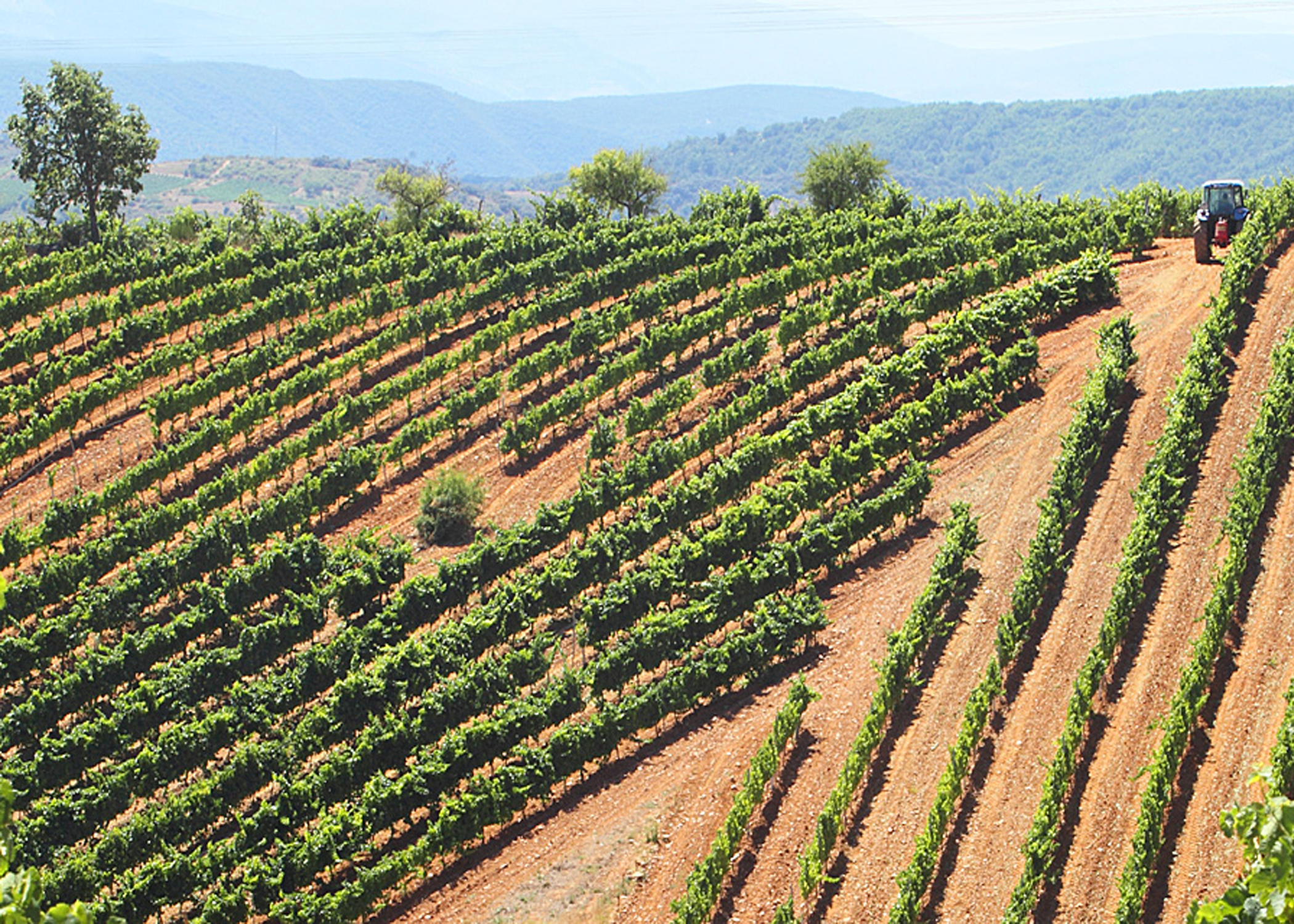
35 hectares of Bodega del Abad vineyard are located on high terrain made up of slate and quartzite soils, imparting a discernible minerality into the profile. The property’s mix of old vines, with some approaching 70 years-of-age, continue to yield meticulously handpicked and sorted fruit; creating wines with a distinct aromatic character, medium-body, and preserved acidity. These attributes are a winemaking accomplishment, due in part to modern production techniques, but they’re also a result of the innate potential of Mencia. Indigenous to Bierzo, with some spillover into Galicia, this resurgent variety has been anointed as one of the four most important Spanish red wine grapes. Producing
compact clusters of medium-sized, violet-blue berries, its renaissance is based on an ability to generate age-worthy wine, at a relatively modest price point.

This bottling is ready to go now but will also hold up for nicely for several more years. It will likely fly off the shelves as word of this formerly hidden gem spreads. So buy enough to get you through the Spring, Summer and Fall dinner seasons!
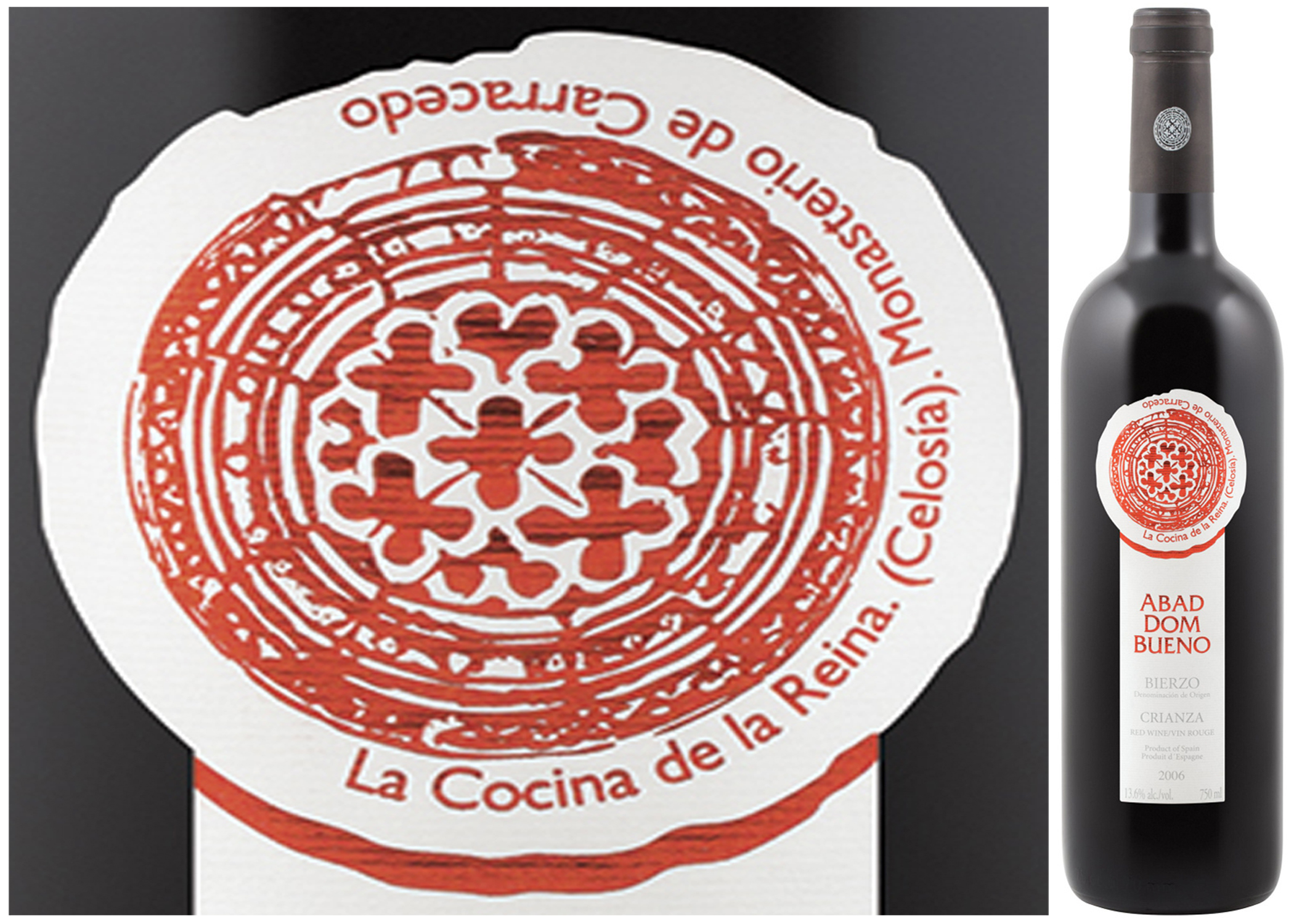
Abad Dom Bueno Crianza

ABAD DOM BUENO CRIANZA 2006
VINTAGES – LCBO Product #244699 | 750 mL bottle
Price $ 15.95
Alcohol/Vol. 13.5%
Sugar Content Descriptor: XD

Made in: Bierzo, Spain
By: Bodega Del Abad
Release Date: March 5, 2016

Tasting Note
Having aged gracefully, this has soft notes of black pepper and tea leaf wrapped around the juicy cassis, plum and currant flavours. With a core of gentle tannins, try serving this food friendly wine with rich poultry dishes, marinated steak kabob, roast leg of lamb, or spicy beef empanadas.
Padthaway Shiraz

The Limestone Coast lies about halfway between Melbourne and Adelaide, and its agricultural regions have been diligently diversifying their traditional farming of cereals, pasture seed, vegetables and livestock grazing. As of the 1960s, they’ve also embraced the stepped challenges/rewards of grape growing and winemaking — so much so that they now produce 20% of South Australia’s total. Spanning five family generations, over a 165-year history, the Bryson farming clan has made a significant contribution to the shift, having invested the last 50 yrs. in refining the cultivation of premium-grade, red and white wine varieties, on their own Phylloxera-free rootstock. Clearly, all the vineyard management details matter to the dedicated trio of Bryson brothers; they’re also at ease with the sentiment that what ends up in the bottle is serious fun!

Padthaway is an emerging, less-renowned member of the six sub-regions lying within the Limestone Coast boundary; directly competing with the established international profile of neighbouring Coonawarra: rightfully and highly regarded for the qualities of its benchmark bottlings of Shiraz. The Potawurutj Aborigines coined Padthaway’s name (‘good water’), referencing the underground aquifer system and the abundant surface supply. When the forbearers of the Bryson’s and other Europeans arrived in Padthaway during the 1850’s, the bio-diverse landscape (ancient seabed) was still extensively covered by shallow freshwater and so became known as ‘Mosquito Plains’.

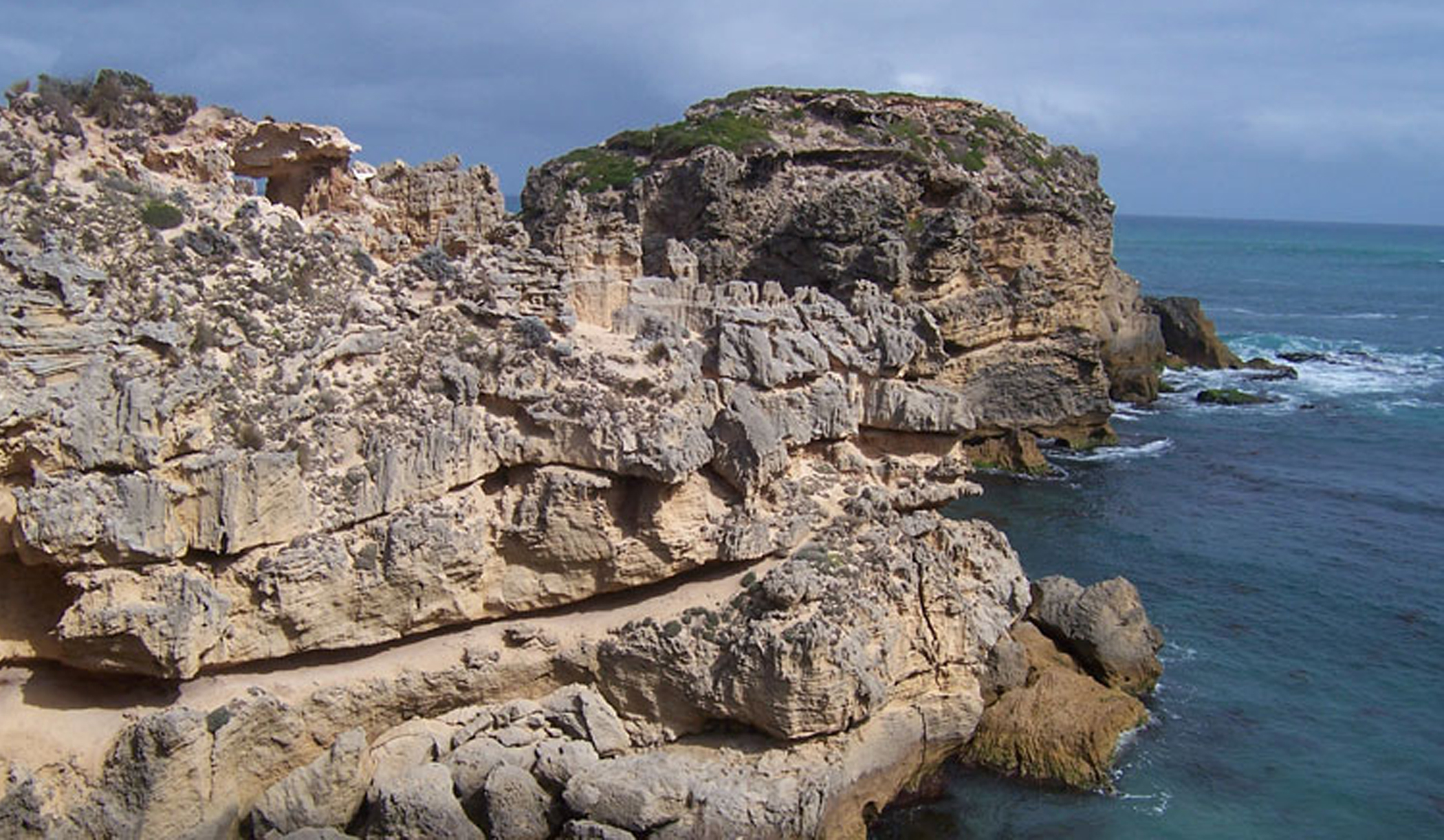
Among many desirable attributes at work in this terroir, including sun-drenched exposures in daytime offset by the cool coastal breezes at night are the prized Terra Rosa soils. Often associated with the Mediterranean basin generally, and Italy in particular, this composition of ancient weathered limestone results from the residual clay and non-soluble rock becoming oxidized (rusting); yielding the characteristic reddish colour; imbuing the soil with essential minerals and good drainage for the vine’s root system. Punctuating 190 hectares on the Bryson Estate are outcrops and clusters of unusual, bulbous granite rock formations; providing an evocative namesake and brand graphic for their baseline range of wines: the Jip Jip Rocks.

This week’s DéClassé featured varietal bottling of Shiraz was finished by blending batches from the 2013 vintage, after spending a year in a combination of new and used, American and French oak barrels. With another 15 months in the bottle, it’s ready to go now, though it will develop even more balance if left on your storage rack for several more years. If you like your dry reds on the plush side, with some youthful fruitiness and acidic vibrancy still at the forefront, then you should rush to the LCBO’s Vintages section ahead of the anticipated crowd — and buy a bunch!

Jip Jip Rocks

JIP JIP ROCKS SHIRAZ 2013
VINTAGES/LCBO – Product #673897 | 750 mL bottle
Price $16.95
14.5% Alcohol/Vol.
Sugar Content Descriptor: XD

Made in South Australia, Australia
By: Bryson Family
Release Date: Feb 20, 2016

Tasting Note
Along with the dominant currant and earthy cherry notes, this fulsome red also incorporates subtle flavours of mocha and clove. Lightly spicy on the nose, the oak influence is deftly incorporated into the wine’s supple body. Try serving with marinated flank steak, smoked ham hock, hearty stews or mature cheeses.

Naoussa Xinomavro

From antiquity through to the modern age, the often hotly debated cultural and territorial legacy of Macedonia has produced a wealth of opposing contentions. The uncertainty about its people’s place within or aside from the Greek patchwork is, in some part, fueled by the generalized fame of Macedonia’s best-known son, Alexander the Great. Tutored by Aristotle and steeped in Homer’s mythic tales, he could proficiently read, speak and conduct himself as a Greek: as a complementary culture to his native Macedonian and its Slav heritage. Under his leadership, the vast expansion of the so-called Greek Empire would eventually dominate the Balkans, Asia Minor, Central Asia, Mesopotamia, Persia and Egypt. Ironically for Greeks, the rise to this unrivalled supremacy in the ancient world began with Alexander’s military campaign to subjugate rebellious city-states in Greece’s homelands. In the wash of history, Alexander has become viewed as archetypal Greek, and the former realm of the Macedonian Kingdom
has been partitioned among neighbouring territories in the Balkans and Bulgaria. The portion that remains within the present-day boundaries of northern Greece contains some of the region’s most prized vineyards; unique cool climate terroirs, and specialized cultivation of one indigenous variety for the last 1,500 years!

The sub-region of Naoussa, along with its surprising geography of snowcapped mountains, framing the forested foothills that spill onto a verdant central plain, now also has an official VQPRD wine zone designation. The acronym’s aim is to promote the highest quality standards for Greek wines and mark their distinct origins within the country. Mainly due to the leadership efforts of the dynamic Boutari vineyard group, developing this classification and its requirements are propelling Greece’s re-anointment as a reliable source of premium winemaking.

As an example, this week’s DéClassé featured Naoussa 2013 is a polished version of varietal Xinomavro wine; currently, the best-selling, ambassador wine style for Greece’s worldwide export. As of 1879, 137-years of accumulated expertise by this storied vintner has culminated in the enviable burden of being a benchmark for how well that modern Greek winemakers are doing overall. Year in and out, they substantiate their global reputation by consistently producing well-crafted wines across a range of grades. The 2013 vintage of this entry-level offering is no exception to the rule; it shows unsurpassable quality at a $13.95 price-point!

Approx. 100km from Thessaloniki, this particular estate is both the oldest and original one of the six regional appellations that Boutari has land holdings in. Among the region’s nine villages that include the region’s namesake: Naoussa, vineyards are located on the sunny, southeast-facing slopes surrounding Mount Vermio. Irrigated by runoff, these calcium-rich clay and loam soils provide the perfect conditions for Xinomavro grape growing. Despite being a prolific variety that’s thrived here for eternity, the grape has frequently fallen in and out of commercial favour. Under the stewardship by Boutari, this variety is resurgent and demonstrating its desirability for producing satisfying medium-bodied wine with the potential to age and develop complexity. Rightly compared to Italy’s
Nebbiolo-based wines such as Barbaresco and Barolo, it shares many of the basic attributes such as ample acidity levels married with firm tannins.

This vintage is a charmingly youthful bottling that can be had inexpensively and then reward 3-5yrs. of cellaring by becoming even smoother and more rounded. Buy at least 3. Decant one for several hours to enjoy now and stow the others away to grace a sumptuous winter’s meal later on in 2021. Or, in exercising some admirable discipline, wait even a bit later for the magic to happen!

Naoussa

BOUTARI NAOUSSA 2013
VINTAGES – LCBO Product #23218 | 750 mL bottle
Price $ 13.95
13.5% Alcohol/Vol.
Sugar Content Descriptor: XD

Made in: Naoussa, Greece
By: Jean Boutari & Fils S.A.
Release Date: February 6, 2016

Tasting Note
This distinctive red wine has flavours of cherries, raspberry with hints of vanilla and cocoa. Fairly typical of Naoussa style wines, it’s pleasingly tart and earthy in a balanced combination. Try serving as apéritif with hard cheeses or with mains of grilled kabobs, hearty casseroles, and porcini risotto.

Niederösterreich Grüner Veltliner

20 centuries ago, in one of the newly conquered lands bounded by the Danube River, the legendary Roman military commander Tiberius capably recognized the untapped agricultural potential of its valleys and plains. After having subdued the Celtic and Ligurian tribes who were loosely allied in the kingdom of Noricum, he set about establishing a legionary encampment that would grow into a large and prosperous regional capital, Carnuntum. Apart from mining the ore-rich mountains for iron, which provided high-grade steel weaponry to the empire; the settlements other success was in developing farming estates in the nearby territories, eventually including Kamptal (Kamp River Valley). To fulfill a Roman social philosophy that deemed wine a daily necessity for all classes of society, from slave through noble, these ‘provincial Romans’ introduced terraced vineyards as an agricultural innovation. The technology allowed growers to exploit the underused sloped terrain; expanding the cultivation of indigenous grapes such as the one they termed Veltin; resulting in a significant boost of harvest yields and the local wine supply. In the modern age, this corner of central Europe became known as Niederösterreich (Lower Austria) and one of the distinctive wines that Austrian vintners have become uniquely expert at is called Grüner Veltliner.

Primarily grown in Austria, Grüner Veltliner (Grew-ner Velt-leen-er) is a flagship white wine variety making up nearly a third of all plantings–with spillover into the neighbouring Czech Republic, Hungary and Slovakia. As a hardy and prolific vine, its suitability to these terroirs is tied to the rich löss (wind-blown soils) that have built up in the geography of ancient volcanic calderas; settling overtop of crushed stone beds that provide drainage for mildew-free growing conditions. As of 2009, Austria’s wine laws have evolved to include DAC designations for both Veltliner and Riesling wines; to clearly distinguish between the regional sources of the fruit and to promote higher mean levels of quality. Additionally, the bottling is graded and priced according to either a ‘Classic’ finishing style (12.5% abv with no wood influence) or ‘Reserve’ (13.5% with some integrated wood allowable). As with this week’s DéClassé recommended Rabl Grüner Veltliner Langenlois 2013, the ‘Classic’ version is somewhat lighter-bodied, unoaked and largely intended to be enjoyed as a fresh, zingy young wine that blooms with food pairing–and so it does!

rudolf-rabl

70km northwest from Vienna, the Kamptal DAC is centred on the Baroque-esc town of Langenlois. Surrounded by forested mountains and ringed by vineyards, this idyllic setting has been home to Weingut Rudolph Rabl for 265 years. In the mid-18th century, 20 hectares of estate land began as a traditional farm with mixed crops and livestock. After adding grapevines, the business was confined to selling bulk wine in barrel to local innkeepers until the early 20th century. In 1986, Rudolf Rabl Junior was enlisted into the family business and his father’s passion, which allowed the winery to expand to 80 hectares; becoming one of the largest estates in the valley. The distinctive icon of a green Raven depicted on Rabl (‘little Raven’) labels represents their line of well-crafted, entry-level wines being offered at an exceptionally attractive price-point.

All in all, it’s taken some time for North American markets to embrace white wine styles other than the enduring stars such as Chardonnay, Sauvignon Blanc, Pinot Grigio and Soave. So, in the spirit of more deeply exploring the horizon of your established tastes, add this varietal wine to your DéClassé recommended list of alternate, characterful dry whites: Sylvaner, Picpoul de Pinet, Tsinandali, Gavi, Pecorino, Sèvre et Maine, and Vinho Verde. Consider buying half a case while being reminded that Grüner Veltliner offers the promise of longevity in the bottle: making it a worthy candidate for some short-term cellaring over the next 2-5yrs.

Rabl Gruner Veltliner

RABL LANGENLOIS GRÜNER VELTLINER 2013
VINTAGES – LCBO Product #377457 | 750 mL bottle
Price $ 14.95
12.5% Alcohol/Vol.
Sugar Content Descriptor: XD

Made in: Kamptal, Austria
By: Weingut Rudolph Rabl
Release Date: January 23, 2016

Tasting Note
This is a bright, fresh and elegant wine with flavour notes of apple, lemon balm and lime, delicate pepper spice, loads of ripe acidity and an intriguing minerality through the remarkably long finish. As apéritif, serve with prosciutto crostini, smoked fish, or with mains of veal schnitzel, grilled asparagus, and white sauced artichoke.

Irpinia Coda di Volpe

Several hundred years after the disintegration of the Western Roman Empire, a 6th-century Germanic tribe known as Longobards (‘long beards’) pushed south from their territorial occupation of northern Italy. The campaign objective for this ‘barbarian horde’ was to expand their realm into the Campania region: lying two-thirds of the way down the west Italian shoreline of the dazzlingly blue Tyrrhenian Sea. Circa 570 CE, dominion over the lands around Naples; the island of Capri; Salento and Pompei, was being challenged by numerous peoples including the sea-borne Byzantines who also weren’t native Italians. Having prevailed along the coast, the Longobards turned their ambition to the central farming provinces, attracted by their fertile valleys and temperate continental climate. History records the incursion as ‘Conquest of Benevento’ after which its bearded tribal victors became better known as the Lombards. Over the next 200 years, and far from validating the dark spectre of plunder and pillage, the relatively benevolent rulers of this Duchy of Benevento fortified the hilltop towns as security for local populations; they promoted agriculture and even experimented with the cultivation of Italian/German hybrid grapes!

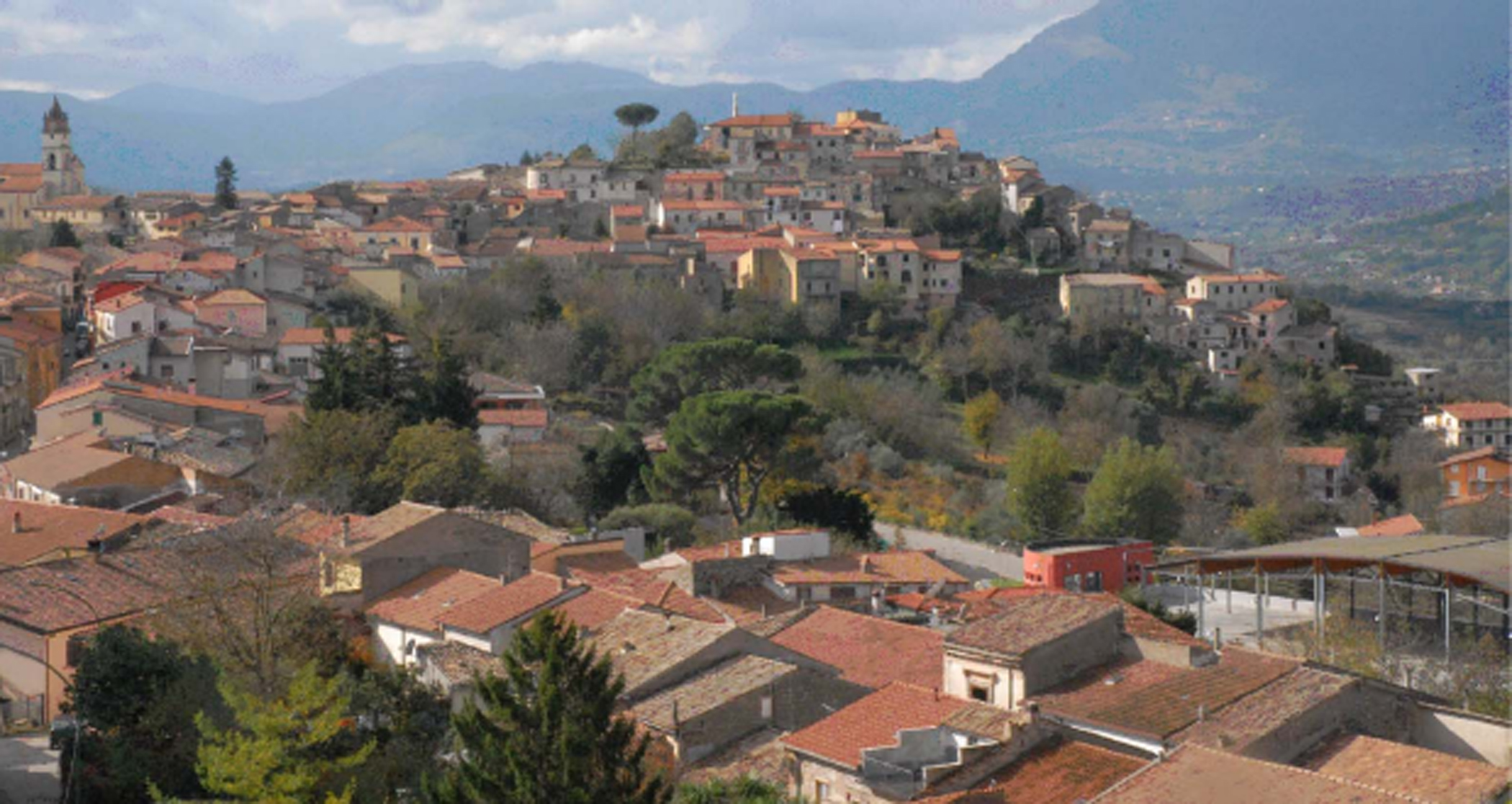
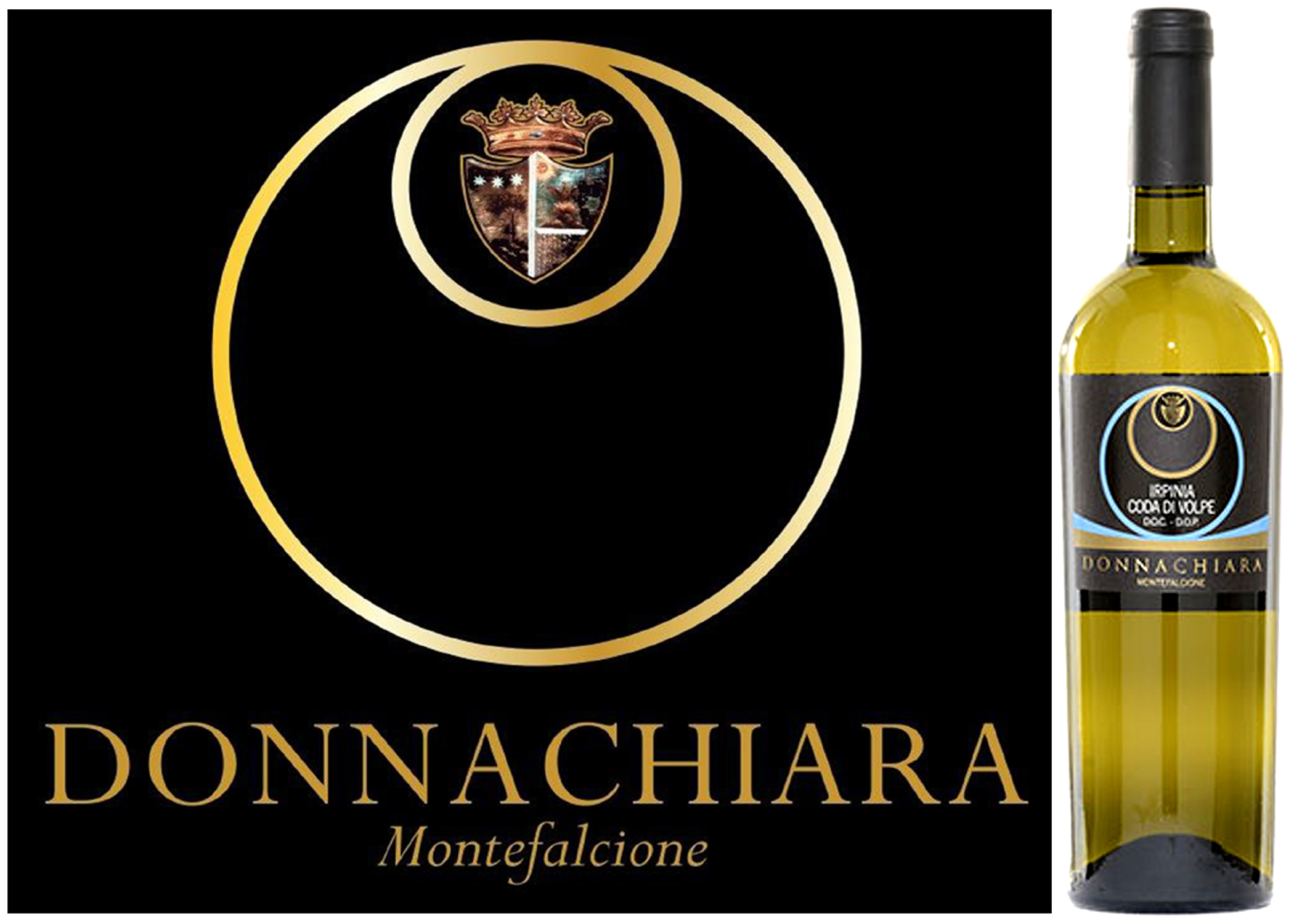
In among the Montevergine and Chiusano mountains, the Irpinia sub-region is home to both a pastoral culture and a rugged rolling landscape of Juniper, Oak and Chestnut forest, sharing space with olive grove, vineyard and fruit orchard. Perched on a ridge dividing the Saturday and Calore rivers is the Lombard-era village of Montefalcione: host to this week’s DéClassé recommended Tenuta and their sophisticated and beguiling, Donnachiara Irpina Coda di Volpe 2013. Within a long list of regional synonyms such as Pallagrello Bianco, Guarnaccia or the playful Coda di Pecora (‘tail of the sheep’), the golden, trailing and tail-like clusters of Coda di Volpe (‘tail of the fox’) distinctively mark this less-heralded grape variety. Out of favour for a time, the resurgent vine likely had its roots on the volcanic slopes of nearby Vesuvius before comfortably taking a second home in the vineyards of the Irpina DOC.

Some white wine styles, particularly ones which have been partially oaked, reveal their qualities boldly, if somewhat short-lived. Others, as with this feature, seem light and lean initially, then surprisingly blossom with structured layers of flavour and body–when combined with appropriate food fare. In large part, this is the dynamic potential of the source fruit, though it also reveals the depth of expertise built up over successive generations of vintners, refining unique vine varieties. Here, the result is a fresh varietal wine that’s spent six months in Stainless Steel tanks only, so its youthful verve and vibrancy has been delightfully preserved.

Alongside a resilient foundation of a regional culture steeped in wine, food and art, the adopting of sustainable practices and employing modern finishing techniques are revitalizing Campagnia’s winemaking traditions. As an example, this rewarding offering from Montefalcione demonstrates just how accomplished they’ve become in crafting terroir-specific wines while proudly championing indigenous vine stock and its characterful grapes. Bellissima!

Donnachiara

DONNACHIARA IRPINA CODA DI VOLPE 2013
VINTAGES – LCBO Product #434241 | 750 mL bottle
Price $ 16.95
13% Alcohol/Vol.
Sugar Content Descriptor: XD

Made in Campania, Italy
By: Az. Ag. Donnachiara
Release Date: January 9, 2016

Tasting Note
This straw-coloured white wine incorporates citrus flavours, light tropical fruit, and some subtle herb notes with a pleasing bitter accent on the long finish. Try serving with roasted poultry, spicy polenta with parmesan, poached freshwater fish with capers, grilled vegetables or sun-dried tomato pasta in a cream sauce.

Côtes du Rhône GSM

Bookended to the top and bottom by its equally renowned neighbours, Burgundy and Provence, the Côtes du Rhône region straddles the namesake river’s banks for approximately 200kms from Vienne in the north to just below Avignon in the south. Part of Narbonese Gaul, Romans founded terraced vineyards here late in the 2nd-century BC, though some significant development in wine-making history corresponds with the arrival of Popes in the 14th-century. Displaced from their traditional seat in Rome due to the so-called western schism, a splitting of the Catholic Church, and hemmed in by the upheaval of France and England’s 100 Years’ War, the temporary papal retreat to Avignon would be prolonged for nine successions. Competitively inclined, the Popes and Cardinals established farm estates on tracts of Côtes du Rhône lands that had been ceded to the church. Gradually expanding the vineyard plantings created a local wine source and provided revenue by exporting the surplus production. 500 years onward, long after the Popes had left to reoccupy the Vatican, Avignon was again anointed in 1966 – this time with the secular designation of ‘Capital City’ of all Rhône wines.

Vintners along the somewhat cooler stretch of the valley north of Montelimar make varietal wines exclusively with Syrah grapes, whereas wineries in southern zones produce the classic GSM blends built with GrenacheSyrah, and Mourvèdre. This DéClassé recommended Château Le Grand Retour – Plan de Dieu is a robust 60/30/10% GSM blend extracted from 45-year-old vine stock. Rooted in stony limestone or red clay soils typical of the Plan de Dieu sub-region, this geographic ‘God’s Plain’ has a localized, hot and dry climate, making the terroir ideal for the full maturation of its signature grape varieties. Lying at the base of the Dentelles de Montmirail foothills, the plain encompasses vineyards that surround the towns of Camaret-sur-Aigues, Violes, Jonquieres, as well as, the source of this week’s feature bottle from Travaillan. Despite being a relatively new appellation created in 2005, the Plan de Dieu AOP classification with the ‘Villages’ qualifier, indicates a more distinctive quality of wine than that of the generic Côtes du Rhône AOP. The unique bottle style also features Plan de Dieu as an embossed coat-of-arms: a cluster of grapes framed by a halo!

Château Le Grand Retour is one of a trio of winemaking estates that the three Aubert brothers have overseen since the 1980s, carrying forward and further developing the foundation and traditions begun by their father. 150 hectares of this property was originally established by Algerian immigrants, who again left France for a time. On returning, they found the now mature plantings ready to bear fruit–providing the inspiration for the Domaine’s name, ‘the major return.’

The same sentiment can also be applied here to this bottling since it’s become a yearly Vintages release that always seems to exceed the generalized pedigree as an entry-level, southern Rhône wine. In my pocketbook, this Plan de Dieu trumps lower-end offerings of Châteauneuf-du-Pape – and for the same price, I can buy 3!

Plan de Dieu

PLAN DE DIEU COTES DU RHONE – VILLAGES 2013
VINTAGES/LCBO – Product #224592 | 750 mL bottle
Price $14.95
14.5% Alcohol/Vol.
Sugar Content Descriptor: D

Made in Rhône, France
By: Earl Aubert
Release Date: Jan. 9, 2016

Tasting Note
Dark Ruby coloured with a supple mouthfeel, this un-oaked and pleasingly rustic red combines rich fruit and savoury notes. The aroma and flavour complexity of berry, chocolate and herbs make it a good match with strong cheeses, roast duck and lamb, stuffed eggplant or a mixed bean stew with sage.

Penedès Cabernet Sauvignon

Founded in the 1870’s by the patriarch Jaime Torres Vendrell, five generations at
Bodegas Torres have been a significant driving force in putting Spain’s Penedès
DO 
region on the international winemaking map. Numerous obstacles along the
way, including the partial destruction of the winery during the Spanish Civil War
in 1936-39, have inspired an evolution away from bulk wine production to now
thriving as a renowned bottler of vintage offerings in 50 different styles. They’re
a compelling demonstration that large commercial producers can maintain high standards in their regionally distinctive winemaking. In having become one of
Spain’s most recognizable brands, they produce an annual flood of accomplished
wines, which dependably flow out from an impressive cache of 2O, OOO barrels;
stored in stacks along 2 kilometers of underground galleries!

Geographically book-ended between the inland Serra de Miralles mountains and
the balmy Mediterranean coastline south of Barcelona, Penedès is sub-divided
into three regions of progressively higher altitude: Bajo, Medio and Alto Penedès.
Based in the heartland town of Vilafranca del Penedès since its inception as a
company, the Torres family has progressively expanded its holdings to 1,700
hectares of prime vineyards. In a region that’s arguably best known for sparkling
Cava, the Bodega has some also-famous neighbours like Freixenet and Codorniu.

Grapevines have been cultivated along the Mediterranean shores of the Iberian
Peninsula since the Phoenician period, though for this DéClassé recommended
blended red, Torres Gran Coronas Cabernet Sauvignon Reserva, it was Miguel
A. 
Torres who had the vision of introducing Cabernet Sauvignon to Penedès
during the 1960’s and 70’s. Along with promoting the French Emperor of Reds
hybrid as being well suited for cultivation in Catalonia, his other innovation was
the use of the indigenous Tempranillo grape as a blending partner. Owing to its
nature as fast-ripening fruit, the round and black-skinned grape is affectionately
known in Catalan as Ull de Llebre (Eye of the Hare).

A perennial listing in the LCBO’s Vintages Essentials catalogue, this remarkable
value is further sale-priced through to the weekend. The enduring appeal and
charm of this fairly fulsome offering is that it’s not overly deep or complex. It is
well-rounded, well-crafted and fairly priced for a Reserva bottling that’s been four
years in the making and maturing. Heading into a new year is an opportune time
to revisit the median baseline quality of Catalonian table wine. 2 bottles (or more)
of this pleasing 2011 vintage should be an encouraging starting point!

Gran Coronas

TORRES GRAN CORONAS CABERNET SAUVIGNON RESERVA (V)
VINTAGES – LCBO Product #36483 | 750 mL bottle
13.5% Alcohol/Vol.
Sugar Content Descriptor: D
Limited Time Offer
Was: $ 19.95
Now: $ 17.95
Until January 3, 2016

Made in: Penedès, Spain
By: Miguel Torres S.A.
Release Date: April 15, 2015

Tasting Note
This medium to full-bodied red has aromas of dark currant and plum with light
smoky notes of oak and clove spice. With flavours of ripe black cherry and vanilla,
it’s perfect for charcuterie, aged cheeses, filet mignon with sautéed mushrooms,
grilled lamb, roast veal or pork sirloin and fresh fig.

Gavi Alert

The 54 hectares of the Fontanafredda estate, with its central cluster of stately
houses, outlying villas, woods and groves of Hazel, began as a charmed gift in a
colourful and episodic love story. The notable wooer was Vittorio Emanuele II, the
King of Sardinia. The object of his affection was Rosa Vercellana; young daughter
of a standard-bearer in the Napoleonic Imperial Guard. In returning the king’s
amorous attentions, she was bestowed with the landholding title: Countess of
Mirafiori and Fontanfredda. To Vittorio’s love-struck eyes and heart, his mistress
would always fondly remain La Bela Rusin. As for the vision of their love child and
son, Emanuele was the family member who imagined the estate’s potential as a winemaking Tenuta. In his accession as the Count of Mirafiore, he diligently set
about the life-long task of planning, planting and cultivating the necessary vines.

In northwestern Italy, a spasso tra i vigneti (‘walking in the vineyards’) can further
translate as wading among undulating green waves of Nebbiolo grapes, mostly
destined to become world-renowned Barolo and Barbaresco red wines. In misty
hills surrounding the town of Gavi, though, there’s a modest white delight vying for
some increased attention. Considered minor due to its very limited planting of
approximately 1,500 hectares, the early ripening Cortese is nonetheless a long
established variety well-suited to the micro-climate in Gavi’s terroir. Consistently
creating flavourful wine from the relatively neutral, plump, yellow-skinned grape
clusters remains challenging for the region’s winemakers. This week’s DéClassé recommended Fontanafredda Gavi Di Gavi 2014 is an accomplished example of
what’s possible in fashioning a modern, mid-weight Italian white. The added body
of this varietal bottling is helped by a deft blending of several fermented batches:
85% in stainless steel and 15% in oak barriques. The technique yields delicate
layers of fruit, aromatics, chalky minerality and bright citrus-tinged acidity.

Long overshadowed by other Italian star whites such as Trebbiano d’Abruzzo,
Soave and Verdicchio, this is a time-limited opportunity to compare your palette
to what Italians are currently drinking while exporting most of their Pinots abroad.
If you have an appreciation for wines that emphasize finesse over power, then
this premium offering will be a seductive addition to festive Christmas events.
It will remain pleasantly-so well into the New Year if you can hang onto some!

Gavi2

FONTANAFREDDA GAVI DI GAVI 2014
VINTAGES – LCBO Product #366948 | 750 mL bottle
Price $ 17.95
12.5% Alcohol/Vol.
Sugar Content Descriptor: D

Made in Piedmont, Italy
By: Fontanafredda
Release Date: December 12, 2015

Tasting Note
This light straw-yellow wine has delicate flavours and aroma of pear, honeydew,
lime and some subtle nutty notes expected of the grape variety. Gavi will shine
as an apéritif served with salty antipasti, fresh pasta with parmesan and truffle
shavings, shellfish, poached fish with capers or fillet of sole with roasted almond.

Monastrell Alert

Toward the south-east corner of the Iberian Peninsula, about halfway between
the world-renowned orange groves of Valencia and the gothic/baroque facades
of Murcia, lies a tiny sub-region called Yecla, and it’s producing 7 million litres of
wine annually. As striking, is that it’s a rocky near-desert zone in a province that
otherwise enjoys a mild continental climate, fertile soil and the benefits of being
close by to the Mediterranean sea. It’s been blessed with these factors since a
time of Argaric Bronze-age settlement. Its allure attracted the wine-interested
Phoenicians, who passed their agricultural knowledge and secrets onto thirsty
Romans. It was certainly part of the appeal for Moors as they expanded north
from Morocco, establishing Arab Taifas (fiefdoms) in the 9th century. The bounty
kept them around for 700-800 years, all-the-while cultivating grapevine simply
to delight in its fresh fruit. They did so right up until the 15th century when the
fiercely competing kingdoms of Castille and Aragon managed to put aside their
other ambitions long enough to supplant the so-called Moorish occupation. The
celebrating Christians immediately began fermenting wine from grapes again!

Throughout the first half of the 20th century, and fairly common in the wine world
of the age, Yecla was mostly outputting bulk wine with high alcohol content. As
part of a 50-year transformation in New Spain winemaking, Bodegas Castaño is
a regional leader among 11 family estates that comprise the Yecla DO. Here in
the high drier zone of Campo Arriba, traditional practice is being re-energized by
innovation such as cold processing. Mastering a difficult terrain of low organic
content and arid 40° climate presents obvious challenges, but it also reveals an
underlying strength: gnarly old bush vines, whose rootstock was less-affected by
the Phylloxera scourge that wiped out most of Europe’s vines in the late 1800’s.
In being both old and stressed by the growing conditions, the vines produce small
yields of quality grapes, lending regional distinctiveness to very characterful wine.

To craft the 2013 vintage of the specialty Solanera line, Bodega Familia Castaño
blends 70% Monastrell (Mourvèdre) with 15% splashes of both Cab Sauvignon
and Garnacha Tintorera (Grenache). Monastrell is the star here, despite taxing
the grower’s patience with its slow and long arc of development before reaching
full maturity. Typically harvested in mid-October, the prolonged growing period of
the grape pays off by providing a broader profile of flavour and structure for the
base wine; requiring less help from other varieties to round out the balance. As
referenced in the wine name’s byline, Viñas Viejas, these fruit clusters are being
drawn from some of the oldest stock in the vineyard, resulting in an appealingly
rustic wine style that’s purposefully bottled unfiltered.

With this introduction, immediately check the LCBO’s online search (see link in
the margin) for the availability of this limited release, then sprint to the location;
buy as much as you can afford. It’s ready now. Decant for an hour. It will cellar
for another 2-4 years though you’ll find it hard to hold much past New Years!

solanera

CASTANO SOLANERA VINAS VIEJAS 2013
VINTAGES – LCBO Product #276162 | 750 mL bottle
Price $ 16.95
14% Alcohol/Vol.
Sugar Content Descriptor: D

Made in: Yecla, Spain
By: Bodegas Castaño
Release Date: November 28, 2015

Tasting Note
With substantial aroma and flavours of acacia flower, berries and black currant,
try serving this fulsome wine with richer food fare such as braised beef ribs, pork,
hearty gazpacho, seasoned paellas or wild rice and Portabello mushrooms.

Sparkling Rosé Alert

At 1,000 meters, the rock faces of Saronsberg (aka. Saron Peak Mountain)
begin a green cascade of rumpled ridges and water-worn gullies down into the
verdant valley at its base. Since time immemorial, the mountain’s form has been
carved by the buffeting rains and twisting currents of the South-easterlies; the
often fierce south polar winds that blow across the Cape in Spring through early
Summer. In 1488, the intrepid Portuguese explorer Bartolomeu Dias fought his
way about in the churning seas that frame Africa’s southern tip. He depicted
this first harrowing sail by christening it Cabo das Tormentas (‘Cape of Storms’).
The winds have continued blustering over the centuries, but with the benefits of
accumulated maritime experience and sturdier ships, sailors have embraced
the more optimistic: Cabo da Boa Esperanza (‘Cape of Good Hope’). The retitling
is also credited to Bartolemeu, when to his astonishment on a returning voyage,
realized that he’d discovered the fabled and elusive sea route to India. What was
less apparent, was that he was sailing blindly past the rich potential of one of the
world’s best wine regions and some of its most accomplished wine makers!

In the 15th century, the coastal ranges of the Western Cape were occupied by
indigenous herders known as the Khoi. They were decidedly unwelcoming to this
first wave of European intruders, predictably cutting them down as soon as they
stepped ashore. It would take another 200 years of negotiated cajoling before
the displaced French Protestant Huguenot and Dutch immigrants were allowed
to exploit the land’s potential for settlement; starting the cultivation of grapevine.
300 years on from the modest beginnings, development of the fertile winelands
has continued to the present, with new zones being added or expanded in each
succeeding generation. This week’s DéClassé featured Twee Jonge Gezellen
(‘two young companions’) is an estate established in 1710 and a dynamic example
of the agricultural vision that’s been cumulatively inherited. Despite cyclical ups
and downs that are common in the challenging wine business, and with the recent,
critical infusion of new investment, it’s bearing more fruit than ever.

The property lies in the Tulbagh Valley 125 km northeast of Cape Town and is
the next outlying wine region beyond better known Stellenbosch, Frankshoek and
Paarl. With sloped vineyards in the sheltering shadow of Saronsberg mountain,
the so-called ‘rainmaker’ also provides an ample supply of irrigation. Elsewhere,
without appropriate drainage and a counterbalance of heat, the abundant rainfall
levels might be problematic. Here, there’s a balance in the 30-hectare terroir,
which current stewards, the Krone family, recognized in the 1950’s when they
first considered planting the noble varieties of Pinot Noir and Chardonnay.

Méthode Cap Classique (MCC) is the South African term for a bottle-fermented
production method that results in sparkling wines. As the young wine is also left
to rest on its lees (expired yeast), imparting the telltale toasted notes, this style
emulates the basics in the classic French méthode Champenois. What’s more
regionally innovative is the regimen of cool night-harvesting, and a follow-on cold
temperature fermentation; both are key adaptations to the hot growing climate
that can otherwise, dull the brightness and acidity in white wine grapes. In this
well-crafted sparkler, Krone Vintage Rosé Cuvée Brut Sparkling 2014, it’s the
60% Pinot Noir that’s left in contact with the skins during first fermentation,
imbuing the light pink hue into the final blending with 40% Chardonnay.

Remarkably, this modest $18.95 bottling carries its vintage year, which is fairly
unusual across all price-points for premium sparkling wine. More typically, the
vintner will hold batches of previously finished wine, to be judiciously added to the
current vintage; maintaining year-to-year consistency. Here, as in so many facets
of modern SA winemaking wisdom, the vintner elects to let each harvest reveal
its unique character, with less intervention. Evidently, 2014 was a splendid year.
Buy two; serve well chilled to add a touch of pink delight to Christmas morning!

Krone

KRONE VINTAGE ROSE CUVEE BRUT SPARKLING 2014
VINTAGES – LCBO Product #130047 | 750 mL bottle
Price $18.95
12.5% Alcohol/Vol.
Sugar Content Descriptor: D

Made in Tulbagh, South Africa
By: Twee Jonge Gezellen
Release Date: November 28, 2015

Tasting Note
This refreshing sparkler with a refined mousse offers flavours and aromas of
pomegranate, red apple and citrus. As expected from the fermentation method,
it also finishes with some subtle baking notes. Try serving as apéritif with herbed
cheese crostini, a roasted Goose stuffed with apple or baked smoked ham.